





What's Happening?
Small balcony makeovers are increasingly focusing on renter-friendly upgrades and defining a single primary purpose for the space. Key recommendations include prioritizing a slim table and two comfortable seats for a coffee area, or using a freestanding
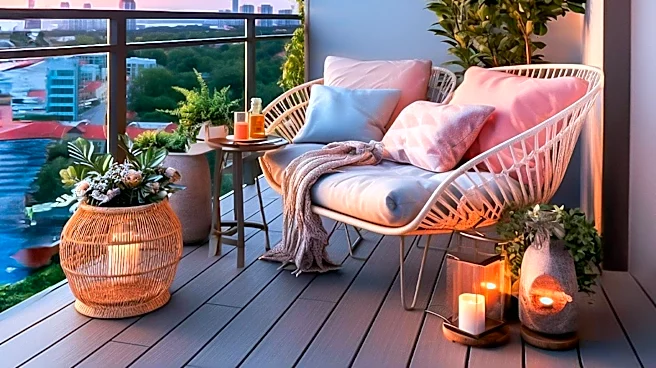
vertical structure for plants to keep the floor open for a garden. For privacy, addressing the exposed sightline first with solutions like breathable railing screens or tall planters is advised before placing furniture. Removable deck tiles and quick-drying outdoor rugs are suggested for adding warmth without permanent construction. The process typically begins with a deep clean, rearranging existing items, and then strategically adding an outdoor rug and well-chosen plants. A single folding chair and side table can create a functional retreat. For lighting, rechargeable solar lanterns are recommended to provide a warm atmosphere without visual clutter. The emphasis is on creating an edited, safe, and easy-to-maintain space by choosing one clear purpose, such as a reading perch, to avoid clutter and enhance usability.
Why It's Important?
This trend in small balcony makeovers is important for urban dwellers and renters, as it provides practical and accessible solutions for enhancing limited outdoor spaces. By focusing on renter-friendly options, individuals can personalize their living environments without violating lease agreements or incurring significant costs for permanent alterations. The emphasis on a single, clear purpose for the balcony helps maximize functionality and enjoyment, transforming what might otherwise be an underutilized area into a valuable extension of the home. This approach can significantly improve quality of life by offering a dedicated space for relaxation, gardening, or dining, which is particularly beneficial in densely populated areas where private outdoor space is at a premium. Furthermore, the focus on safety, such as ensuring proper drainage and securing items against wind, addresses practical concerns for apartment living, promoting a more secure and pleasant environment for residents.
What's Next?
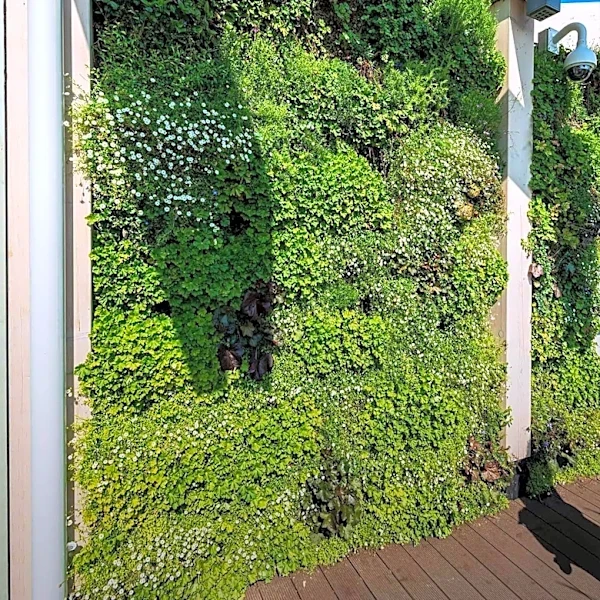
Individuals looking to undertake a small balcony makeover should start by measuring the usable width, depth, door swing, and railing height, and checking their lease and building rules regarding installations. The next step involves selecting one main purpose for the balcony, such as a coffee corner, reading retreat, or tiny garden, to guide furniture and decor choices. Following this, creating a removable floor layer with options like interlocking deck tiles or a low-profile, quick-drying outdoor rug is recommended. Choosing folding furniture with a small footprint, such as slim chairs and narrow bistro tables, will help keep walkways open. Adding privacy can be achieved with breathable screens or tall planters, ensuring they are securely attached and comply with building regulations. Vertical gardening solutions like ladder shelves or narrow plant stands can maximize greenery without occupying floor space. Finally, incorporating outdoor-rated lighting, such as battery or solar lanterns, will complete the ambiance for evening use.
Beyond the Headlines
The movement towards intentional and renter-friendly small balcony makeovers reflects a broader societal shift towards maximizing living spaces and personal well-being in urban environments. As apartment living becomes more prevalent, the desire for accessible outdoor retreats grows, highlighting the psychological benefits of connecting with nature and having a dedicated space for relaxation. This trend also underscores the increasing importance of sustainable and adaptable design, where temporary and removable solutions are favored over permanent installations. Ethically, it promotes responsible tenancy by encouraging modifications that respect property rules and safety standards. Culturally, it signifies a growing appreciation for personalized, functional, and aesthetically pleasing micro-environments, transforming often-overlooked balconies into cherished extensions of the home that contribute to mental and emotional well-being. This approach fosters creativity within constraints, encouraging individuals to think resourcefully about their living spaces.