



What's Happening?
Rapper-turned-country star BigXthaPlug has revealed that relationships among artists in the country music genre are more harmonious and genuine than those in hip-hop. During an appearance on the Club Shay Shay podcast with Shannon Sharpe, BigXthaPlug noted
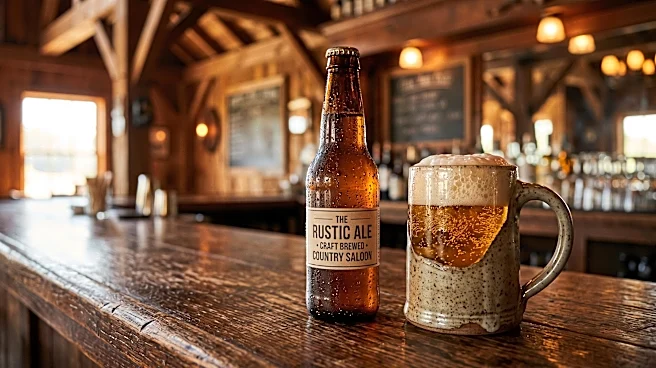
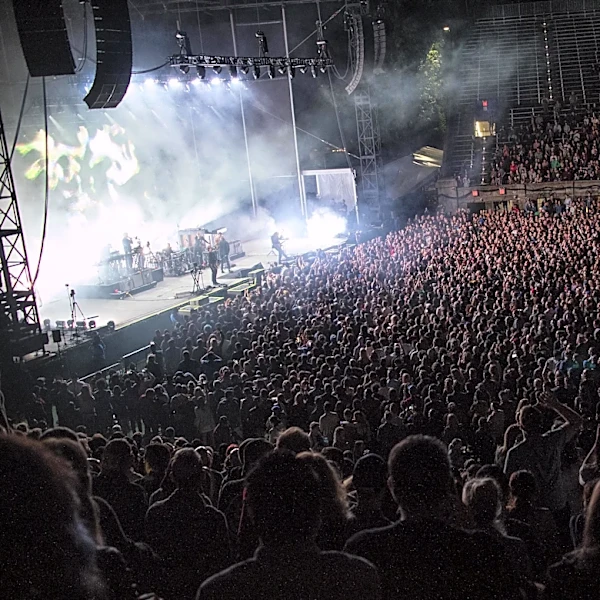
a significant difference in artist interactions between the two genres. He described the hip-hop scene as 'segregated,' with artists often confined to their regional groups (e.g., Atlanta, Miami, New York rappers) and experiencing frequent conflicts, including violence at events like Rolling Loud. In contrast, he observed that country music artists genuinely spend time together, even casually, such as drinking beer at a bar on a random Wednesday. He also highlighted the more relaxed and fan-friendly atmosphere at country festivals like Stagecoach, where artists can interact freely with fans without the security concerns prevalent in hip-hop events.
Why It's Important?
This observation by BigXthaPlug offers a unique perspective on the cultural dynamics within different music genres, particularly as artists increasingly cross genre boundaries. His comments suggest that the country music industry fosters a more collaborative and less confrontational environment, which could be appealing to artists seeking a different professional experience. For the music industry at large, this highlights potential areas for improvement in artist relations and event management within genres like hip-hop. The perceived unity in country music could contribute to its sustained growth and appeal, attracting diverse talent. Conversely, the challenges noted in hip-hop, such as segregation and conflict, might impact artist well-being and public perception of the genre, potentially influencing fan engagement and industry investment.
What's Next?
BigXthaPlug's insights could spark further discussion within the music industry about fostering healthier artist relationships and safer event environments. Other artists might share similar experiences, leading to a broader conversation about industry practices. For country music, this positive portrayal could enhance its image as a welcoming and collaborative genre, potentially attracting more artists from diverse backgrounds. For hip-hop, it might prompt a reevaluation of community-building efforts and security measures at events. The ongoing crossover of artists between genres, exemplified by BigXthaPlug, may continue to bring new perspectives and comparisons, influencing how different music communities evolve.
Beyond the Headlines
The contrast drawn by BigXthaPlug between country and hip-hop music scenes touches upon deeper cultural and societal implications. The 'segregated' nature he describes in hip-hop could reflect broader social divisions or competitive pressures within the genre, potentially stemming from its origins and evolution. The perceived harmony in country music, on the other hand, might be attributed to its historical roots in community and storytelling, or perhaps a different set of industry pressures. This comparison also raises questions about the role of genre in shaping artist identity and interaction, and how these dynamics influence the creative process and fan experience. The differing atmospheres at festivals like Rolling Loud and Stagecoach could also reflect varying approaches to audience management and safety, highlighting the diverse challenges faced by event organizers in different music sectors.