




What's Happening?
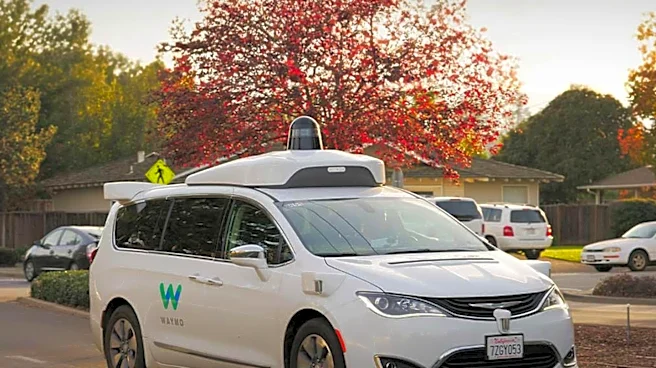
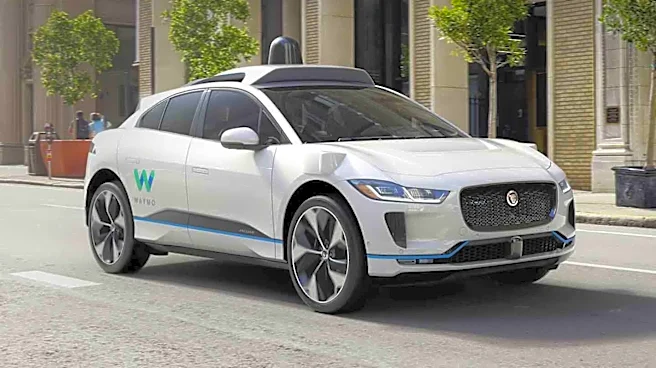
Tekedra Mawakana, the co-CEO of Waymo, is scheduled to speak at CES 2027. This announcement comes as Waymo, a leading autonomous driving technology company, is expanding its operations into Canada, specifically targeting Toronto. While details about her
specific speaking engagement at CES 2027 are not yet public, her presence at such a prominent technology event underscores Waymo's continued commitment to innovation and market presence. The company's move into the Canadian market signifies a strategic expansion beyond its current U.S. operational bases, indicating a broader vision for the deployment of its self-driving technology. This expansion into Toronto suggests Waymo is exploring new urban environments for its autonomous vehicle testing and potential service offerings, which could involve mapping, regulatory navigation, and local partnerships.
Why It's Important?
Tekedra Mawakana's appearance at CES 2027 is significant as it provides a platform for Waymo to showcase its advancements and strategic direction in the autonomous vehicle industry. As a co-CEO, her insights could offer valuable perspectives on the future of self-driving technology, regulatory challenges, and market adoption. The expansion into Canada, particularly Toronto, is a crucial step for Waymo. It represents an effort to diversify its operational footprint and test its technology in different geographical and regulatory landscapes. This move could pave the way for broader international expansion, potentially influencing how other countries approach autonomous vehicle integration. For the U.S. autonomous vehicle industry, successful international expansion by a key player like Waymo could set precedents and demonstrate the viability of scaling self-driving technology globally, potentially attracting more investment and fostering further innovation in the sector.
What's Next?
Following the announcement of Waymo's expansion into Toronto and Tekedra Mawakana's scheduled appearance at CES 2027, the immediate next steps will likely involve Waymo establishing its operational infrastructure in Canada. This includes securing necessary permits, conducting mapping operations, and potentially engaging with local authorities and partners in Toronto to facilitate the deployment of its autonomous vehicles. Further details regarding Mawakana's CES 2027 presentation will likely emerge closer to the event, which could include announcements about new technological advancements, partnerships, or strategic directions for Waymo. The company will also likely focus on demonstrating the safety and efficiency of its technology in the new Canadian environment, aiming to build public trust and acceptance for autonomous driving solutions in a new market.
Beyond the Headlines
Waymo's expansion into Canada and its co-CEO's presence at a major tech conference highlight the ongoing global race in autonomous vehicle development. Beyond the immediate business implications, this move could spark increased competition and collaboration within the self-driving industry, pushing technological boundaries and accelerating the adoption of autonomous solutions worldwide. Ethically, the expansion into new territories brings forth questions about data privacy, local employment impacts, and the societal integration of AI-driven transportation. Legally, Waymo will need to navigate Canada's specific regulatory frameworks for autonomous vehicles, which may differ from those in the U.S., potentially influencing future international regulatory standards. Culturally, the introduction of self-driving cars in a new urban environment like Toronto will test public perception and acceptance, offering valuable insights into how different societies adapt to disruptive technologies.