





What's Happening?
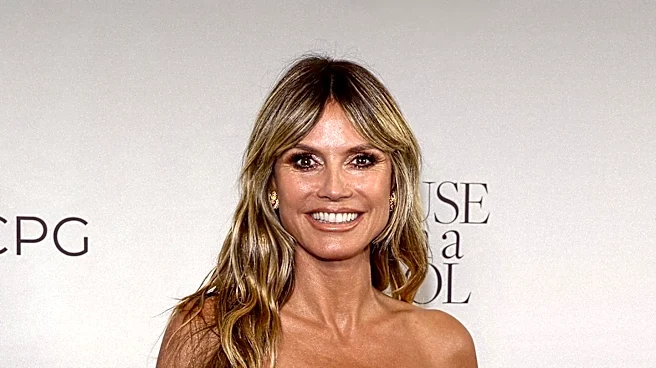
Heidi Klum, the renowned actress and model, recently captivated social media by sharing images from a paradisiacal destination, where she was seen in a tiny lilac string bikini. The German star, who is over five decades old, showcased her figure and confident
style, drawing thousands of reactions and comments from her followers. The eye-catching swimsuit highlighted her silhouette as she enjoyed a period of rest amidst scenic landscapes. This public display of confidence follows a recent reflection by Klum on the evolution of her body image over the years. She revealed that her husband, musician Tom Kaulitz, encouraged her to move away from the pressure to maintain an extremely thin physique, a common demand in the modeling industry. Klum expressed that she now feels more comfortable with a curvier figure and believes it suits her better than when she adhered to stricter beauty standards. She has openly stated that she has gained weight and feels good about it, prioritizing her well-being over external expectations. Klum also recalled facing criticism about her physical appearance early in her career, learning over time that it is impossible to please everyone and that self-happiness is paramount. Beyond her modeling career, Klum continues to expand her professional endeavors, including work in television and fashion, and recently participated in an advertising campaign for a snack brand in Germany, launching a special edition of potato chips featuring her image.
Why It's Important?
Heidi Klum's public embrace of her evolving body image and her candid discussions about self-acceptance hold significant importance in the broader context of societal beauty standards and the entertainment industry. Her stance challenges the often-unrealistic expectations placed on women, particularly those in the public eye, to maintain a specific physique. By openly discussing her weight gain and newfound comfort with a curvier figure, Klum provides a powerful counter-narrative to the pervasive pressure for extreme thinness. This can positively influence public perception, encouraging a more inclusive and healthy understanding of beauty. For the fashion and entertainment industries, Klum's continued success and relevance, even as she defies traditional modeling norms, demonstrate that confidence and authenticity can resonate more deeply with audiences than strict adherence to conventional beauty ideals. Her message of prioritizing personal well-being over external validation can empower individuals to cultivate a healthier relationship with their own bodies. Furthermore, her diversified career, including her involvement in television, fashion, and even a snack brand campaign, highlights the evolving landscape of celebrity influence, where personal brand and authenticity play a crucial role in engaging with a wider audience.
What's Next?
Heidi Klum's continued public presence and her advocacy for body positivity are likely to further influence discussions around beauty standards in the entertainment and fashion industries. Her candidness may encourage other public figures to share their own experiences, fostering a more open dialogue about body image and self-acceptance. As Klum continues her work in television and fashion, her personal brand, now strongly associated with confidence and authenticity, could lead to new opportunities that align with these values. Brands seeking to promote inclusivity and realistic body representation may find her an appealing partner. Her involvement in diverse ventures, such as the snack brand campaign, suggests a strategic expansion of her career beyond traditional modeling, potentially paving the way for more celebrities to leverage their personal stories and values in commercial partnerships. The ongoing public and media response to her statements will likely reinforce the importance of self-acceptance and challenge the narrow definitions of beauty often perpetuated by media.
Beyond the Headlines
Heidi Klum's narrative extends beyond a simple celebrity update; it touches upon deeper societal and cultural shifts regarding body image and self-worth. Her decision to prioritize her well-being over industry pressures reflects a growing movement towards authenticity and away from unattainable ideals. This can have a profound impact on mental health, particularly among younger generations who are constantly exposed to curated and often unrealistic images on social media. Klum's experience highlights the ethical responsibility of the media and entertainment industries to promote diverse body types and healthy self-perception. Her story also underscores the evolving nature of celebrity, where influence is increasingly derived from genuine connection and shared values rather than just physical appearance. This shift could lead to a more empathetic and realistic portrayal of individuals in media, fostering a culture where self-acceptance is celebrated. Ultimately, Klum's journey contributes to a broader conversation about how society defines beauty and the importance of individual empowerment in shaping personal narratives.