



What's Happening?
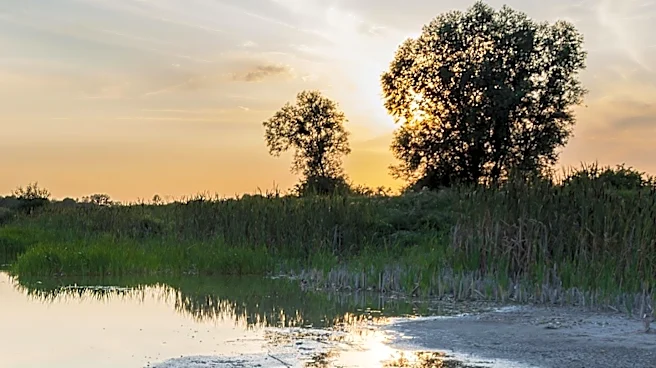
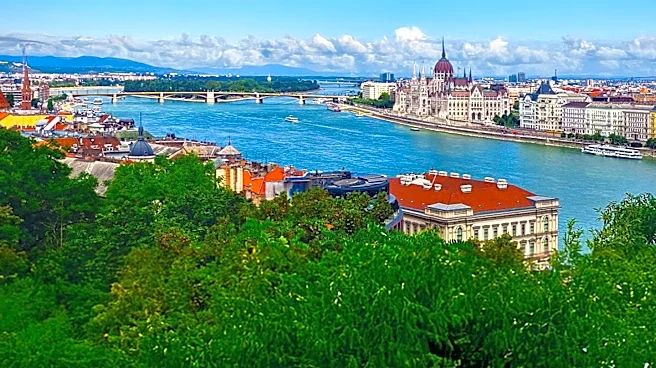
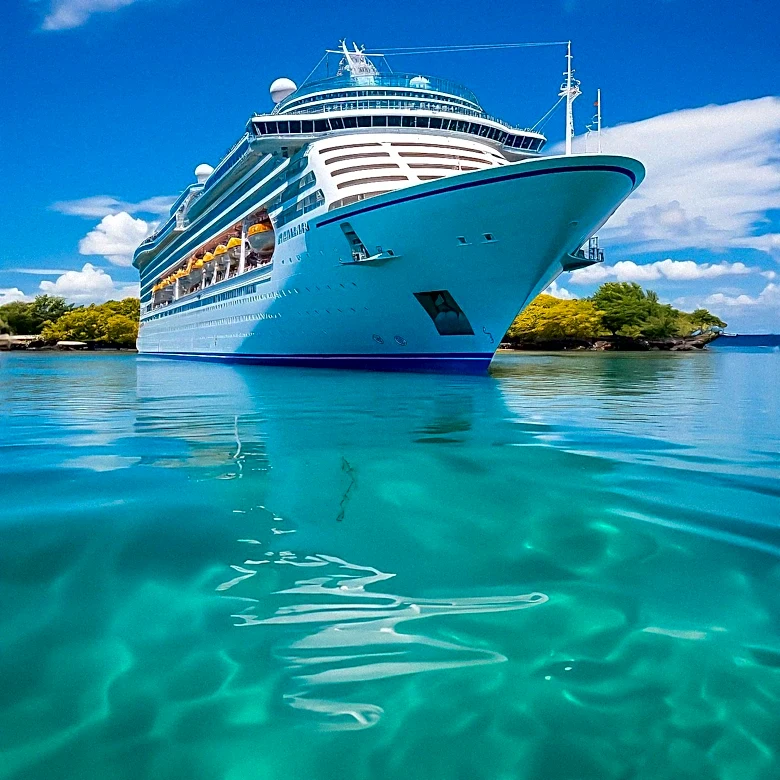
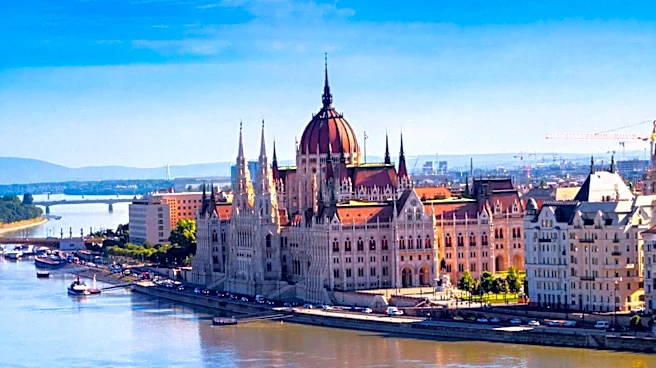
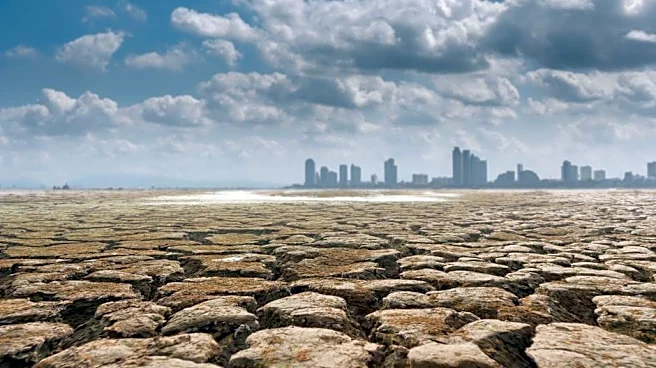
A cruise ship recently ran aground on the Danube River, highlighting the challenges posed by low water levels due to drought conditions in Europe. The Danube, along with the Rhine, is experiencing record low water levels, affecting river tourism and commercial
activities. The drought, exacerbated by heat waves and reduced snowmelt, has led to disruptions in river cruises, with some operators canceling departures or modifying itineraries. The situation has raised questions about the safety and viability of river cruises under current environmental conditions.
Why It's Important?
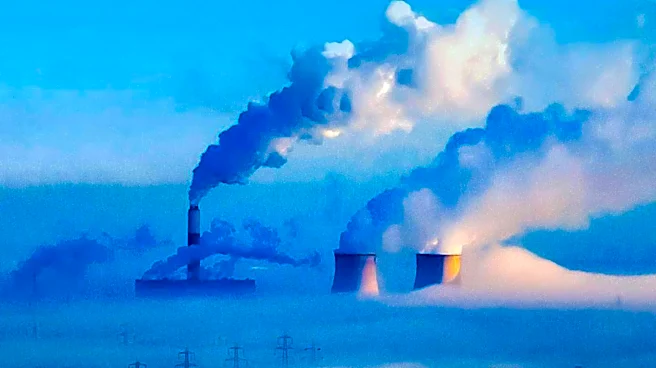
The drying up of major European rivers like the Danube and Rhine has significant implications for the river cruise industry, a popular tourism sector. The disruptions caused by low water levels can impact the economic viability of cruises, affecting both operators and local economies reliant on tourism. The situation also underscores the broader environmental challenges posed by climate change, as changing weather patterns and reduced snowmelt alter river dynamics. This development highlights the need for adaptive strategies in the tourism industry to address climate-related disruptions.
What's Next?
Cruise operators may need to implement contingency plans to address low water levels, such as adjusting itineraries or using alternative transportation methods. Travelers are advised to check with cruise lines about their policies on low-water contingencies and consider travel insurance that covers itinerary changes. The situation may prompt further discussions on sustainable tourism practices and the need for infrastructure improvements to accommodate changing river conditions. As climate change continues to impact natural resources, industries dependent on stable environmental conditions will need to adapt to ensure long-term sustainability.