
What's Happening?
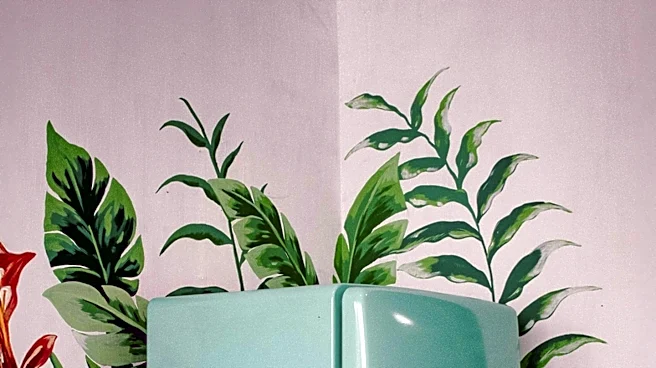
Antique iceboxes, the predecessors to modern refrigerators, are making a comeback in contemporary kitchens across the U.S. This resurgence is driven by both aesthetic appeal and functional benefits, particularly their ability to operate without electricity.
Before the widespread adoption of electric refrigerators, these insulated cabinets used blocks of ice to maintain cold temperatures, effectively preserving perishable goods. While they do not replace modern refrigerators, they serve as supplemental cooling units, offering additional storage and reducing energy consumption. The system involves placing ice blocks in an upper compartment, with perishable items stored below, and a tray at the bottom collecting melted water. This method requires regular maintenance, such as replacing ice, which contributes to a sense of intentionality in kitchen routines.
Why It's Important?
The return of the antique icebox reflects a growing interest in sustainable living and a desire for unique, character-filled home furnishings. For consumers, it offers an ecological alternative for food storage, particularly appealing to those living off-grid or seeking to minimize their carbon footprint. The practical benefit of operating without electricity provides a reliable cooling method during power outages or in areas with unreliable electrical grids. Beyond functionality, these vintage pieces add warmth and texture to kitchen aesthetics, contrasting with the often-minimalist or stainless-steel designs of modern appliances. This trend highlights a shift in consumer values, where historical utility and environmental consciousness are increasingly influencing purchasing decisions, potentially impacting the market for both new and antique home goods.
What's Next?
The trend of integrating antique iceboxes into modern kitchens is expected to continue, with increasing demand for well-preserved and restored units. Consumers can find these items at secondhand platforms, estate sales, flea markets, and auctions. While some units are ready for immediate use, many require restoration, including cleaning, wood refinishing, and insulation checks. For daily use, temperature monitoring with a digital thermometer is recommended to ensure safe food storage. This blend of old furniture and modern tools signifies a balanced approach to technology, where traditional methods are re-evaluated for their practical and aesthetic contributions. The sustained appeal of these items suggests a lasting shift in interior design and consumer preferences towards intentional, sustainable, and visually rich home environments.
Beyond the Headlines
The comeback of the icebox transcends mere nostalgia, pointing to deeper societal shifts in how we perceive technology, sustainability, and home aesthetics. It challenges the notion that newer is always better, advocating for a thoughtful integration of past and present. This trend encourages a more conscious consumption model, where the longevity and inherent value of objects are prioritized over disposability. Ethically, it promotes resourcefulness and a reduced reliance on energy-intensive appliances. Culturally, it reintroduces a tangible connection to historical domestic practices, fostering an appreciation for the ingenuity of previous generations. This movement could inspire further re-evaluation of other 'forgotten' household items, leading to a broader embrace of sustainable and character-rich solutions in home design and daily living.