







What's Happening?
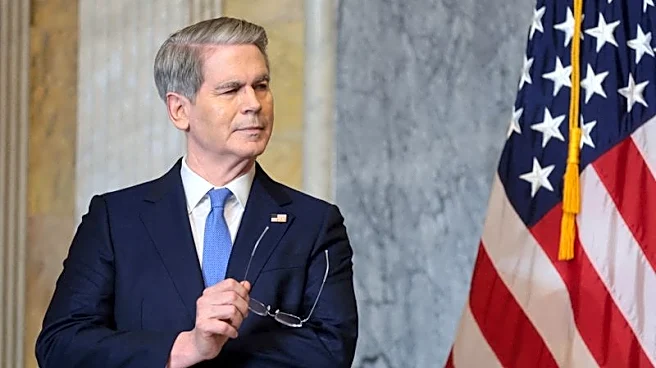
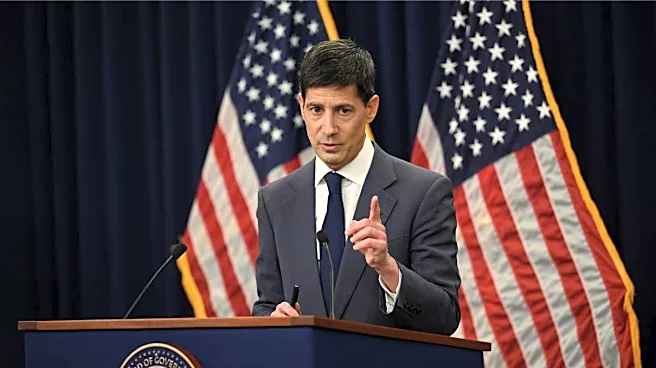
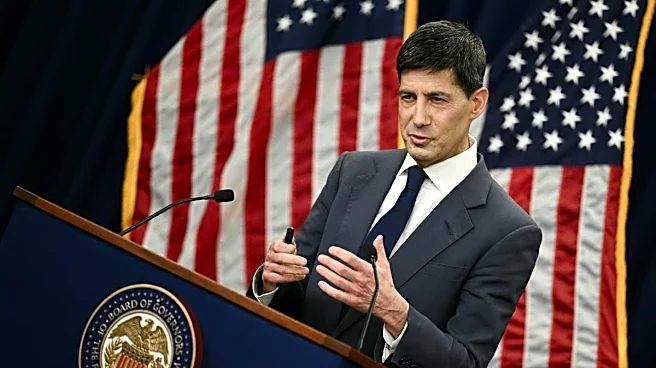
Inflation in the U.S. has reached a three-year high, posing a significant challenge for the Federal Reserve. Under the leadership of new Chairman Kevin Warsh, the Fed has opted not to increase interest rates despite the rising inflation. This decision
reflects a cautious approach to balancing economic growth with inflation control. The current inflationary environment raises questions about the winners and losers in the economy, as different sectors and demographics are affected differently by rising prices.
Why It's Important?
The Fed's decision to maintain current interest rates amid high inflation has broad implications for the U.S. economy. While low interest rates can support economic growth and employment, they may also exacerbate inflationary pressures, reducing purchasing power for consumers. This situation highlights the Fed's complex role in managing economic stability. The decision not to raise rates could benefit borrowers and stimulate investment, but it also risks prolonging inflation, affecting savings and fixed-income earners.
What's Next?
The Federal Reserve's future actions will be closely scrutinized as it navigates this challenging economic landscape. Market participants and policymakers will be watching for any changes in the Fed's stance on interest rates. The potential for inflation to become a persistent issue may prompt a reevaluation of monetary policy strategies. The Fed's ability to communicate its plans effectively will be crucial in managing market expectations and ensuring economic stability.