





What's Happening?
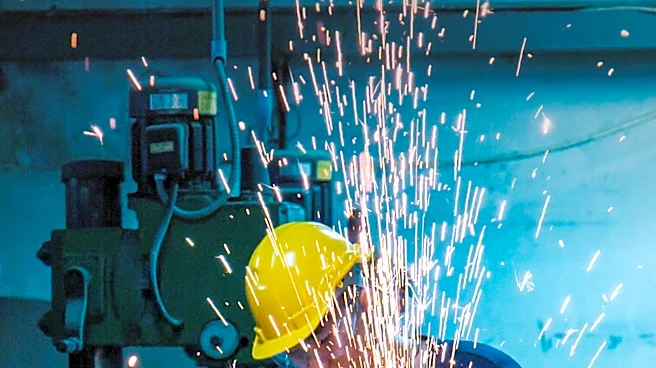
Predictive maintenance is increasingly being adopted by companies to ensure optimal equipment operation, thereby reducing wear and tear and extending asset lifespan. This approach not only enhances the longevity of assets but also ensures safety for employees
and stakeholders by identifying risks early and addressing them before they become hazards. Companies like IBM, Schneider Electric SE, Siemens, and Microsoft are investing heavily in predictive maintenance technologies, making them more accessible and accurate. Predictive maintenance allows for better use of maintenance budgets by predicting machinery failures and scheduling repairs before unplanned downtime occurs, thus reducing emergency repair costs.
Why It's Important?
The adoption of predictive maintenance is significant as it represents a shift from reactive to proactive maintenance strategies. This approach can lead to increased return on investment by minimizing costly unplanned downtime and reducing the risk of accidents. By ensuring equipment operates optimally, companies can maintain a safe work environment and comply with industry safety regulations. The market for predictive maintenance is expanding as more companies recognize its benefits in enhancing safety and cost savings.
What's Next?
As predictive maintenance technologies become more advanced and accessible, more companies are expected to adopt these strategies. This could lead to a broader industry shift towards data-driven maintenance practices, potentially reducing overall maintenance costs and improving operational efficiency. Companies may also invest in training and development to better integrate predictive maintenance into their existing systems.