

What's Happening?
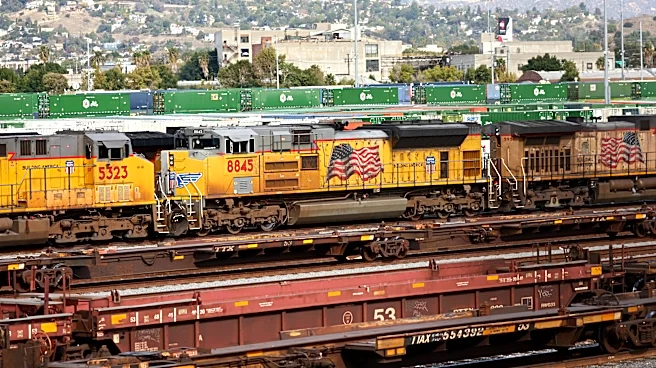
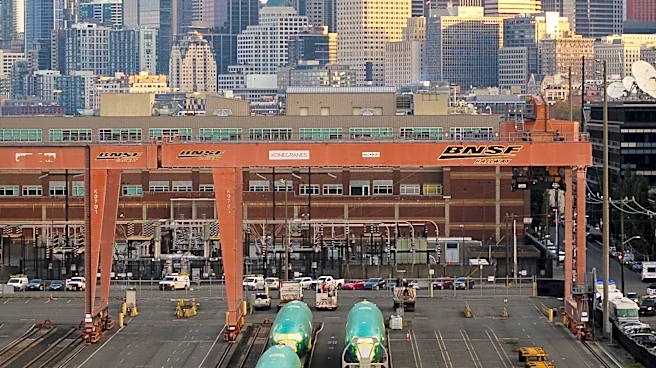
The Surface Transportation Board (STB) has initiated a proceeding on November 19, 2026, to address a claim by BNSF Railway against Union Pacific. BNSF alleges that Union Pacific is not providing equal dispatch to BNSF trains on lines covered by the 1996
merger conditions with the Southern Pacific. This decision by the STB marks the formal start of the case, which will investigate whether Union Pacific has violated these rules. The core of BNSF's complaint centers on Section 9(d) of the 1996 Restated and Amended Settlement Agreement, which mandates that trains of both parties, on lines where trackage rights are granted, receive "equal dispatch without any discrimination in promptness, quality of service, or efficiency." BNSF has provided examples of alleged violations, including operating windows applied exclusively to BNSF trains, dispatching processes favoring Union Pacific without BNSF's consent, and BNSF trains being held while Union Pacific local trains operate with de facto priority. Union Pacific, in its response, requested the dismissal of the claim, asserting that the allegations are incorrect and unsupported, and that the dispute should be resolved through arbitration. However, the STB disagreed, stating that a Board proceeding is appropriate for issues with broad implications for merger conditions.
Why It's Important?
This proceeding is significant because it directly addresses the enforcement of critical merger conditions designed to preserve competition within the U.S. railway industry. The 1996 merger conditions, specifically the equal dispatching rule, were put in place to mitigate the loss of competition that occurred when the Southern Pacific was absorbed by Union Pacific. If BNSF's allegations of a consistent pattern of unequal dispatching are substantiated, it could indicate a failure to uphold these foundational competitive safeguards. Such a finding could impact the operational efficiency and competitive standing of BNSF, potentially leading to delays and unreliable service for its customers. For the broader U.S. freight shipping and logistics sector, any disruption to fair competition among major rail carriers could have ripple effects on supply chains and transportation costs. The STB's role in overseeing these conditions is crucial for maintaining a balanced and competitive railway network, ensuring that the benefits of mergers do not come at the expense of fair access and service for other operators.
What's Next?
Following the initiation of the proceeding, BNSF Railway and Union Pacific are required to meet and confer to propose a schedule for the case by December 3, 2026. If they cannot agree on a joint schedule, each railroad will submit its own proposal on that date. The STB's decision is effective on its service date. BNSF is seeking an order enforcing Section 9(d) and the dispatching protocols, retroactive civil penalties under relevant U.S. Code sections, and quarterly and annual reports from Union Pacific to monitor compliance with the equal-dispatch rules. The case will also include an examination of Union Pacific's compliance with Section 4(a) of the agreement, which concerns parity and equal access at the Mexican border crossing at Eagle Pass, Texas. The outcome of this proceeding could lead to significant operational changes for Union Pacific, potential financial penalties, and enhanced oversight requirements, all aimed at ensuring adherence to the 1996 merger conditions.
Beyond the Headlines
The dispute between BNSF Railway and Union Pacific highlights the ongoing challenges of regulating large-scale mergers in critical infrastructure sectors. The STB's decision to open a proceeding underscores the importance of regulatory bodies in ensuring that post-merger conditions, intended to protect competition and public interest, are actively enforced. This case could set a precedent for how future disputes over trackage rights and dispatching protocols are handled, potentially influencing the operational agreements and competitive dynamics among major U.S. freight railroads. The allegations of "de facto priority" for Union Pacific trains, if proven, raise questions about the practical implementation of equal access provisions and the potential for dominant carriers to leverage their infrastructure ownership. The resolution of this case will not only impact the two involved railroads but could also shape the regulatory landscape for rail competition and the efficiency of the national freight network for years to come.