





What's Happening?
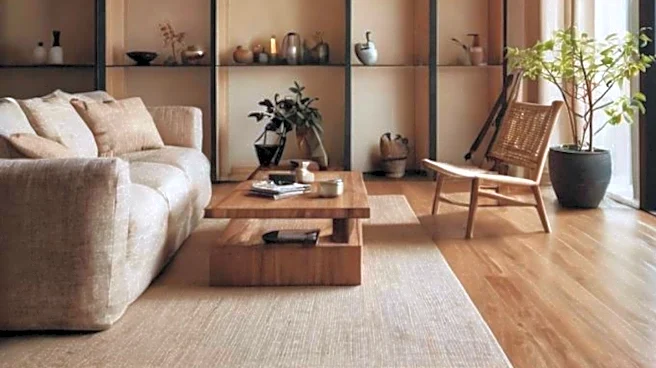
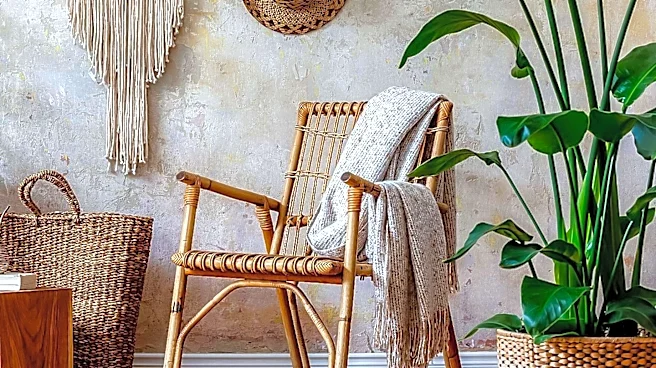
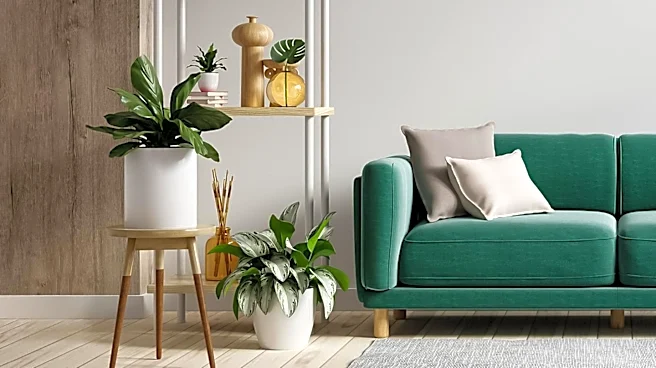
Japandi style, a fusion of Japanese simplicity and Scandinavian comfort, is gaining prominence in interior design. This aesthetic emphasizes natural materials, functional furniture, neutral color palettes, and uncluttered spaces. Key elements include
natural wood finishes, muted tones, and materials such as wood, natural fibers, stone, and ceramics, often with restrained metal accents. The style is particularly well-suited for modern bathroom designs, where it creates a peaceful and minimalist retreat. For instance, a tree bookshelf, with its organic shape, can seamlessly integrate into a Japandi interior, providing visual interest without requiring excessive decoration. Homeowners are encouraged to choose natural wood and soft colors for such furniture, like light oak or warm beige, and to decorate with intention, displaying carefully selected items while leaving some shelves empty to maintain balance and appreciate negative space.
Why It's Important?
The rise of Japandi style reflects a broader societal shift towards mindfulness, sustainability, and a desire for calm and functional living spaces. In the U.S., where consumer trends often lean towards fast-paced and maximalist aesthetics, Japandi offers an alternative that prioritizes quality over quantity and tranquility over clutter. This trend can influence the furniture and home decor industries, driving demand for natural materials, minimalist designs, and handcrafted items. Businesses that adapt to this aesthetic, such as those offering bespoke wooden furniture or ceramic decor, stand to gain. Conversely, manufacturers and retailers focused on more ornate or synthetic designs might need to re-evaluate their offerings. The emphasis on natural materials also aligns with growing environmental consciousness, potentially boosting markets for sustainably sourced products and artisan crafts, impacting both local and national economies.
What's Next?
As Japandi style continues to gain traction, consumers can expect to see more furniture and decor lines incorporating its principles. Retailers may expand their selections of natural wood furniture, ceramic pieces, and textiles made from natural fibers. Interior designers are likely to increasingly recommend Japandi for clients seeking serene and functional homes. There could also be a greater focus on customization and handcrafted items, as seen with brands like Tailor Wood Haven, which offers bespoke natural wood furniture. This could lead to a resurgence in local craftsmanship and a shift away from mass-produced goods. Educational content and workshops on Japandi design principles might also become more prevalent, empowering homeowners to integrate this style into their living spaces effectively. The style's influence may extend beyond residential interiors to commercial spaces, such as offices and hospitality venues, seeking to create calming environments.
Beyond the Headlines
The adoption of Japandi style goes beyond mere aesthetics; it represents a cultural convergence and a philosophical approach to living. It highlights the shared values of simplicity and functionality found in both Japanese and Scandinavian cultures, offering a blueprint for a less consumerist and more intentional lifestyle. Ethically, the emphasis on natural and often sustainably sourced materials can promote responsible consumption and production practices. Legally, this could lead to increased demand for certifications verifying the origin and environmental impact of materials. Culturally, Japandi encourages a deeper appreciation for craftsmanship, natural textures, and the beauty of imperfection, challenging the prevailing culture of disposable goods. This long-term shift could foster a more mindful approach to home design, where spaces are curated for well-being and longevity rather than fleeting trends, ultimately influencing how Americans perceive and interact with their living environments.