



What's Happening?
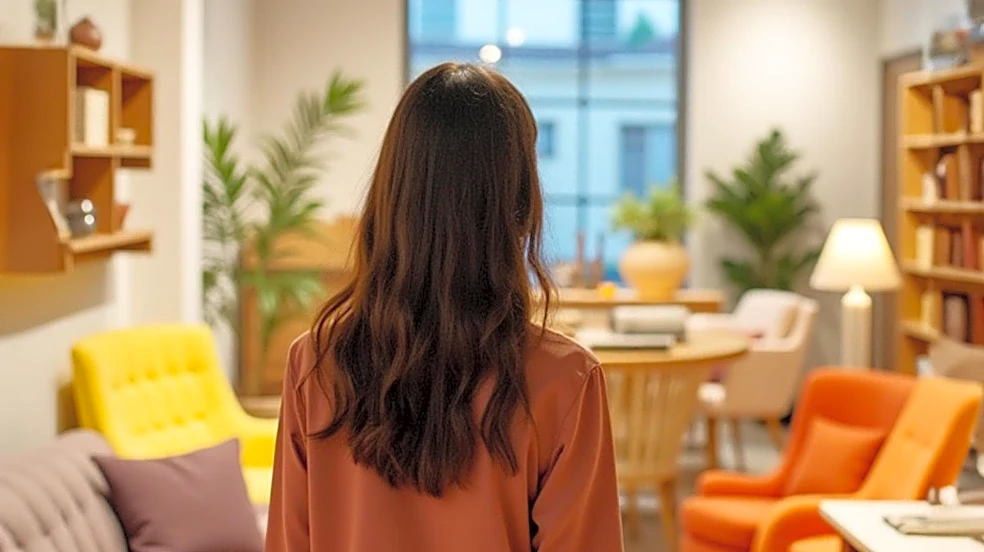
Homeware brands are increasingly focusing on creating a comprehensive 'lifestyle experience' around their products, rather than simply selling individual items. This approach, highlighted by Sunday House, suggests that consumers are not just purchasing
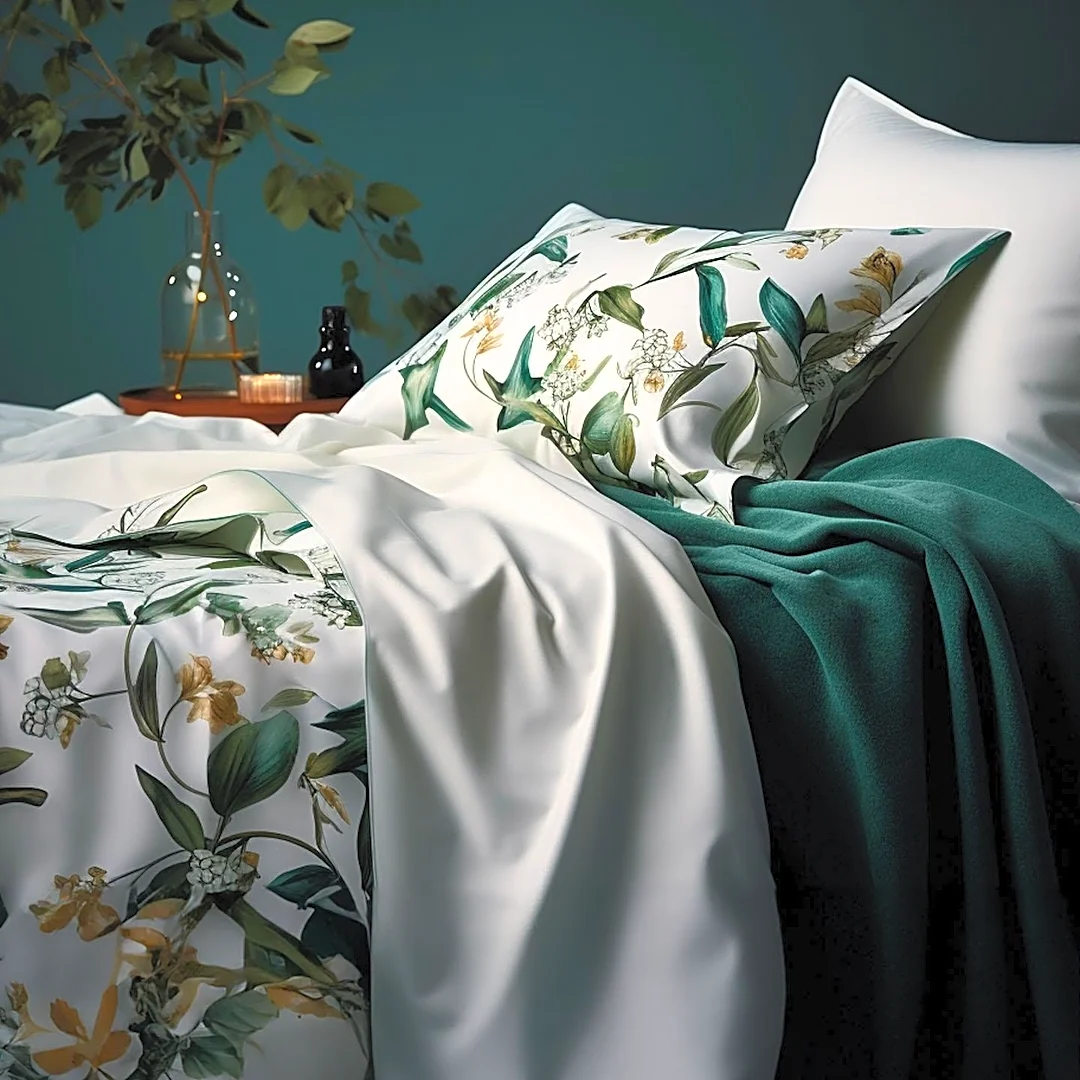
goods but are buying into the broader narrative and world a brand constructs. Companies are developing ideas, stories, and visual aesthetics that imbue products with character and make them feel like part of something larger. This involves creative direction, visual storytelling, and styling for various applications, including photography, film, and events. The goal is to craft an immersive brand world that resonates with customers and integrates homeware into their desired lifestyle.
Why It's Important?
This shift in strategy is significant for the U.S. retail and design industries as it redefines consumer engagement and marketing. By selling a lifestyle rather than just a product, brands can foster deeper emotional connections with their customers, potentially leading to increased brand loyalty and higher perceived value. This approach encourages consumers to invest in a curated aesthetic and experience, influencing purchasing decisions beyond mere utility or price. For businesses, it means a greater emphasis on creative branding, visual merchandising, and experiential marketing. It also impacts designers and content creators, who are now tasked with building these intricate brand narratives. Consumers stand to gain a more cohesive and inspiring shopping experience, while businesses that fail to adapt to this experiential trend may struggle to compete in a market increasingly driven by lifestyle aspirations.
What's Next?
The trend towards experiential homeware is likely to continue evolving, with brands further integrating storytelling and immersive elements into their marketing and product development. We can expect to see more collaborations between homeware companies and lifestyle influencers, as well as an increase in interactive retail spaces and online experiences that allow consumers to visualize products within a complete lifestyle context. Brands may also invest more in personalized styling services and content creation that helps customers integrate homeware into their personal narratives. This could lead to a more curated and personalized shopping journey for consumers, and a greater demand for creative professionals skilled in brand building and visual storytelling within the homeware sector.
Beyond the Headlines
This movement reflects a broader cultural shift where consumption is increasingly tied to identity and aspiration. Homeware, traditionally seen as functional, is now a key component in expressing personal style and desired lifestyle. This has ethical implications, as it encourages a more holistic view of consumption, potentially promoting thoughtful curation over impulsive buying. However, it also raises questions about the authenticity of these 'brand worlds' and the potential for manufactured aspirations. The long-term impact could be a more aesthetically cohesive and personally resonant living environment for consumers, but also a market where brands with strong narratives and visual identities hold a significant advantage, potentially marginalizing those focused solely on product features or price.