
What's Happening?
Recent travel data indicates a growing trend among travelers to embrace 'slow travel' and wellness-focused escapes, particularly in tropical destinations. This shift is driven by a desire for deeper experiences,
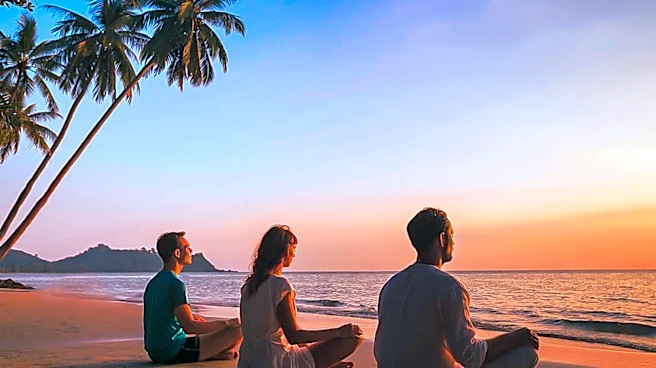
genuine restoration, and a break from the constant demands of modern life. Travelers are moving away from packed itineraries and towards trips that allow for spontaneity, cultural immersion, and a slower pace. Key elements of this trend include choosing one region to explore thoroughly, engaging with local culture, prioritizing time in nature, and intentionally disconnecting from digital devices. Destinations like Kerala, the Andaman Islands, Thailand, Sri Lanka, Bali, and the Maldives are highlighted as ideal for this type of travel, offering diverse landscapes, cultural experiences, and opportunities for relaxation and rejuvenation. The focus is on feeling good and creating lasting memories rather than simply seeing many sights.
Why It's Important?
This growing preference for slow, wellness-led travel signifies a broader societal shift in how individuals perceive and utilize their leisure time. In an increasingly fast-paced and digitally connected world, the demand for genuine rest and mental restoration has become paramount. This trend impacts the tourism industry by driving demand for experiences that prioritize authenticity, sustainability, and personal well-being over traditional, fast-paced sightseeing tours. It encourages destinations and travel providers to develop offerings that cater to deeper engagement with local communities, nature, and self-care practices. For travelers, it offers a pathway to combat burnout, improve mental health, and foster a more meaningful connection with the places they visit, ultimately leading to more fulfilling and impactful travel experiences. This shift could also influence how workplaces view and encourage employee breaks, potentially leading to more widespread adoption of sabbatical-like opportunities.
What's Next?
The travel industry is expected to continue adapting to this demand for slow and wellness-focused experiences. This will likely involve an increase in specialized tour packages that emphasize cultural immersion, nature activities, and opportunities for digital detox. Hotels and resorts may further integrate wellness programs, mindful activities, and local experiences into their offerings. Travelers are advised to plan ahead by selecting a single region, matching their trip to the best season, and booking accommodations that support a relaxed pace. Practical tips include leaving blank days in itineraries, intentionally going offline, utilizing water-based activities for relaxation, and choosing slower modes of transport. This trend suggests a future where travel is less about accumulation of sights and more about the quality of experience and personal restoration.
Beyond the Headlines
The rise of slow, wellness-led travel reflects a deeper cultural yearning for authenticity and balance in an era often characterized by overstimulation and superficial connections. It challenges the conventional notion of productivity and success, suggesting that true enrichment can be found in stillness and mindful engagement rather than constant activity. This movement has ethical implications, encouraging more responsible tourism that respects local cultures and environments, moving away from mass tourism's potential negative impacts. It also highlights a growing awareness of mental health and the importance of intentional self-care, positioning travel not just as a luxury but as a vital component of overall well-being. This shift could foster a more sustainable and meaningful global travel ecosystem, where the journey itself, and the internal transformation it brings, is as valued as the destination.