
What's Happening?
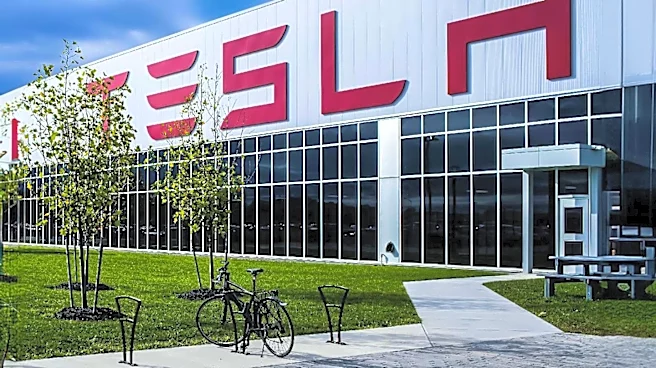
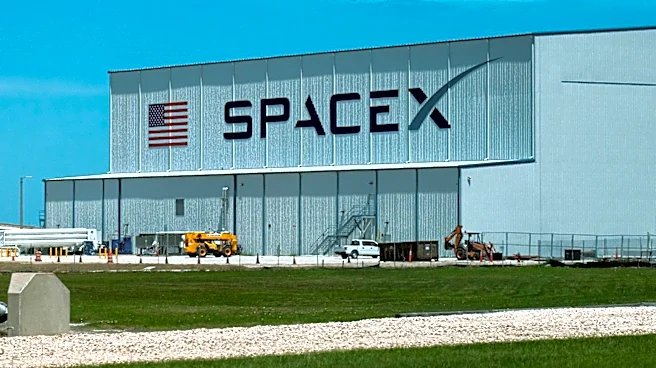
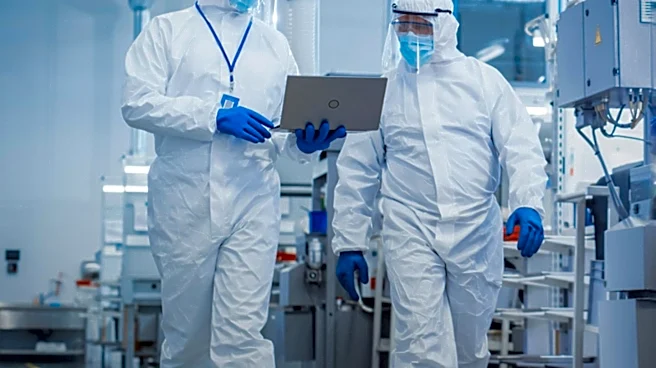
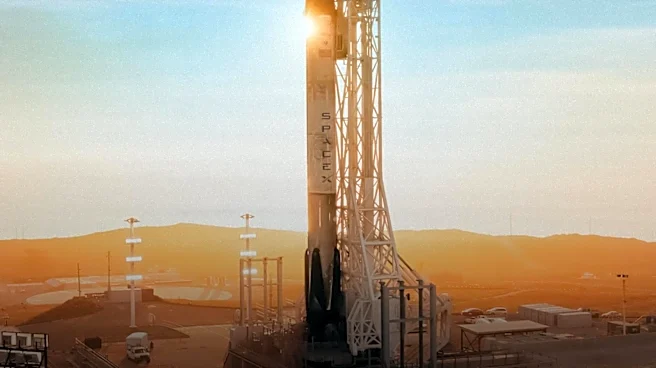
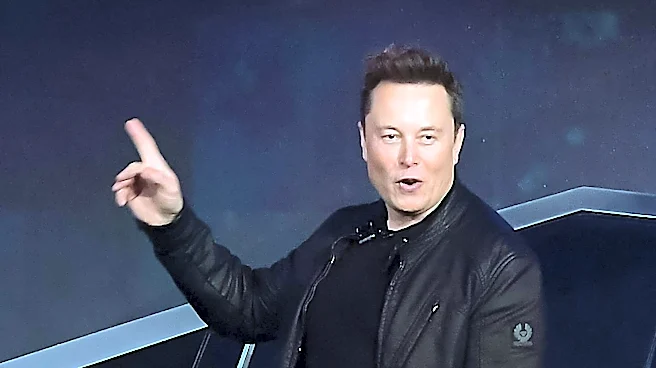
Elon Musk has announced a $16.8 billion investment to build the Terafab chip factory in Texas, a significant move for both SpaceX and Tesla. This development comes at a time when global chip shortages
are causing disruptions and geopolitical tensions over semiconductor manufacturing are rising. The factory aims to support next-generation technologies, including Tesla's Optimus robots and SpaceX's data centers, aligning with Washington's push for reshoring critical manufacturing capabilities. This initiative is part of a broader strategy to reduce reliance on overseas manufacturers and strengthen the U.S. high-tech ecosystem.
Why It's Important?
The establishment of the Terafab chip factory is a strategic move to bolster the U.S. semiconductor industry, which has been heavily reliant on foreign manufacturers, particularly in Taiwan and South Korea. By creating a domestic chip facility, Musk's companies could gain supply chain independence and a technological edge, potentially leading to innovation and job creation in the U.S. However, this move also poses challenges for legacy chipmakers and developing nations reliant on assembling lower-tech semiconductors. The factory's success could reshape the semiconductor landscape, placing the U.S. at the forefront of AI, robotics, and space technologies.
What's Next?
The construction of the Terafab chip factory will require overcoming significant hurdles, including securing rare materials and recruiting skilled engineers. While Musk has a track record of turning ambitious visions into reality, this project represents uncharted territory for his companies. The success of the factory will depend on Musk's ability to form partnerships with established semiconductor players and effectively manage global supply chain challenges. If successful, the factory could inspire further private-sector investments in domestic chip manufacturing, but it will take years before meaningful output is achieved.
Beyond the Headlines
The Terafab chip factory could signal a shift towards more vertically integrated technology megacorporations controlling their own supply chains. This development may lead to a new era of technology giants with increased control over production processes, potentially impacting global trade dynamics. The factory's focus on supporting advanced technologies could also accelerate advancements in robotics, autonomous vehicles, and space-based technologies, benefiting consumers in the short term. However, the project carries risks, and its success will be closely watched as a potential model for future investments in the semiconductor industry.