






What's Happening?
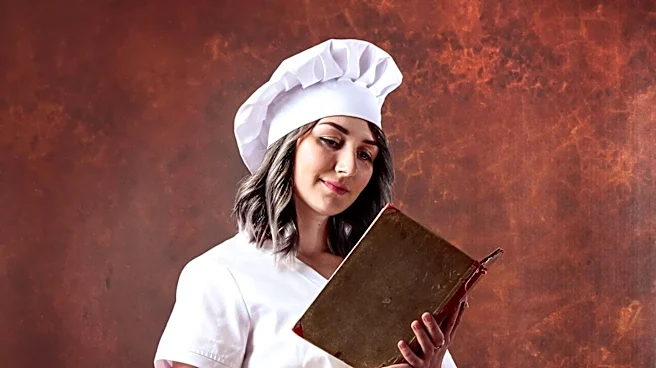
Danielle Callegari, an associate professor of Italian at Dartmouth and co-host of the food and culture podcast 'Gola,' has released her latest book, 'A Bite-Sized History of Italy: Gastronomic Tales of the Roman Empire, Renaissance, and Republic.' The
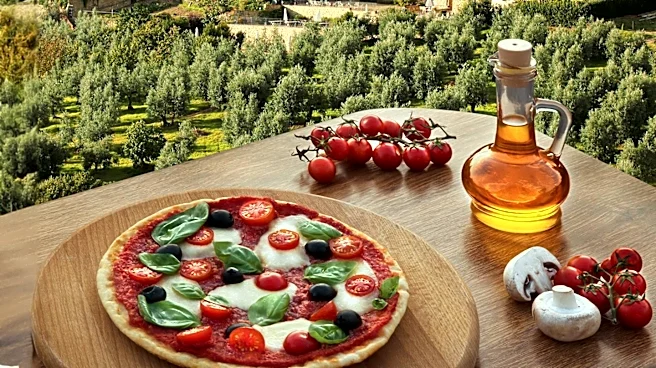
book delves into Italy's culinary history over thousands of years, examining how food has been instrumental in shaping the nation's identity, despite Italy's relatively recent formation as a nation-state in 1861. Callegari's research spans from the Roman Empire's reverence for olive oil to the introduction of the tomato in the 16th century and even Mussolini's attempts to replace pasta with rice. She highlights how food serves as both a unifying and divisive force within the country, exploring regional differences and common culinary threads like olive oil, wine, and bread. Callegari's research process involved both academic study of rare texts and immersive experiences, visiting farms and engaging with local food providers across Italy.
Why It's Important?
Professor Callegari's work offers a significant contribution to understanding cultural identity through the lens of food, a topic with broad appeal in the U.S. This research can influence academic discourse on cultural studies and history, particularly in how national identities are constructed and perceived. For American consumers and culinary enthusiasts, it provides a deeper appreciation for Italian cuisine, moving beyond common stereotypes to reveal the complex historical and regional nuances of dishes. This understanding can impact the American food industry, encouraging more authentic Italian culinary experiences and potentially influencing food trends. Furthermore, the book's exploration of food as a tool for community building and social integration resonates with diverse communities in the U.S., highlighting the universal power of shared meals. The insights into the historical evolution of Italian food, including the relatively recent popularization of ingredients like the tomato and pasta, challenge preconceived notions and enrich the cultural dialogue surrounding food history.
What's Next?
Professor Callegari's book is expected to continue to spark discussions in academic circles and among the general public interested in food history and cultural studies. Her insights may lead to further research into the role of food in national identity formation across other cultures. For American students studying abroad in Italy, her recommendations for culinary exploration, such as visiting Naples for authentic pizza or exploring traditional anchovy fisheries in Cetara, could become popular guides. The book's themes might also be integrated into university curricula, offering a unique interdisciplinary approach to history, sociology, and culinary arts. The ongoing popularity of her podcast 'Gola' suggests a sustained interest in Italian food and beverage culture, which her new book will likely amplify, potentially leading to more public engagements, lectures, and media appearances to share her findings with a wider audience. This could further solidify food as a critical component in understanding global cultural narratives.
Beyond the Headlines
Callegari's research uncovers the often-overlooked ethical and social dimensions embedded in food history. Her findings on the tobacco and rice industries, where women played crucial roles in the labor force, highlight how food-related industries can be catalysts for social change and political enfranchisement. This perspective challenges the traditional narratives of historical progress, demonstrating how economic activities tied to food production can empower marginalized groups. For American society, this offers a valuable lesson in recognizing the hidden social impacts of industries and the often-unacknowledged contributions of various demographic groups. The book also subtly critiques the commercialization and simplification of national cuisines, particularly how 'spaghetti and meatballs' became a modern, pan-Italian identity in interaction with the U.S. This encourages a more critical consumption of cultural products and a deeper inquiry into their origins, fostering a more nuanced understanding of global culinary heritage and its complex relationship with identity and power dynamics.