


What's Happening?
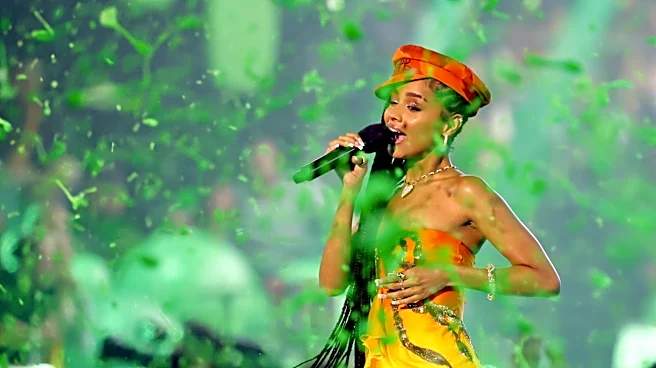
Xania Monet, an AI artist, achieved significant recognition at the first U.S. AI Music Awards held in Los Angeles on November 13, 2026. Monet was awarded AI artist of the year, song of the year, and album of the year. Telisha “Nikki” Jones, Monet’s creator,
is credited with writing all the lyrics, with AI technology used to compose the music. The awards were organized and judged by AI artists affiliated with the Sonic Intelligence Academy (SIQA). The event aimed to establish a platform for AI-generated music and its creators, countering the mainstream music industry's skepticism. SIQA, founded by software engineer Timirah “TJ” James and her sister Mia James, launched in January with the goal of creating infrastructure to support AI music creation, similar to the Recording Academy for the Grammy Awards. The awards required artists to register their tracks with SIQA’s “Verified Registry,” categorizing them as fully AI-generated, AI-assisted, or human+AI hybrids. The ceremony itself experienced several technical difficulties, including delayed starts, malfunctioning AI voice introductions, and teleprompter issues, highlighting the nascent nature of such events.
Why It's Important?
The inaugural U.S. AI Music Awards signify a pivotal moment in the music industry, marking a formal attempt to legitimize and celebrate AI-generated music. This event underscores the growing influence of artificial intelligence in creative fields and its potential to democratize music production, allowing individuals without traditional musical training to create and distribute music. The awards also highlight the ongoing tension between proponents, who see AI as a tool for innovation and accessibility, and critics, who express concerns about copyright infringement, job displacement for human artists, and the devaluation of human creativity. The recognition of Xania Monet and her creator, Telisha “Nikki” Jones, demonstrates that AI-assisted music can achieve critical acclaim within a dedicated community, potentially paving the way for broader acceptance. However, the technical glitches experienced during the ceremony also reveal the challenges and immaturity of integrating advanced AI technologies into live event production, suggesting that the industry is still in its early stages of development and refinement.
What's Next?
The Sonic Intelligence Academy plans to host the AI Music Awards annually, with founder Timirah “TJ” James vowing to resolve the technical difficulties encountered during the inaugural event. This commitment indicates a continued effort to build and solidify an infrastructure for the AI music industry. The success of artists like Xania Monet may encourage more creators to explore AI tools for music production, potentially leading to an increase in AI-generated content. The ongoing debate surrounding AI in music, particularly regarding copyright and artist compensation, is likely to intensify as the technology becomes more prevalent. Future developments may include more sophisticated AI music generation tools, clearer industry standards for AI-assisted works, and continued efforts by organizations like SIQA to integrate AI music into the broader cultural landscape. The mainstream music industry will likely continue to monitor these developments, potentially leading to new licensing models, collaborations, or regulatory frameworks to address the unique challenges posed by AI.
Beyond the Headlines
The emergence of dedicated AI music awards raises profound questions about the definition of artistry and creativity in the digital age. As AI tools become more sophisticated, the line between human and machine contribution blurs, challenging traditional notions of authorship and artistic merit. The emphasis by creators like Telisha “Nikki” Jones on the human element (lyrics) in her AI-generated music suggests a hybrid model where human intention guides AI execution. This development could lead to a re-evaluation of intellectual property laws, particularly concerning who owns the copyright to AI-generated works and how royalties are distributed. Furthermore, the event highlights a cultural shift where technology is not just a tool but an active participant in the creative process, potentially fostering new genres and forms of musical expression. The technical challenges faced by the awards ceremony also underscore the broader societal implications of rapidly adopting new technologies, revealing the need for robust infrastructure and ethical considerations to keep pace with innovation.