






What's Happening?
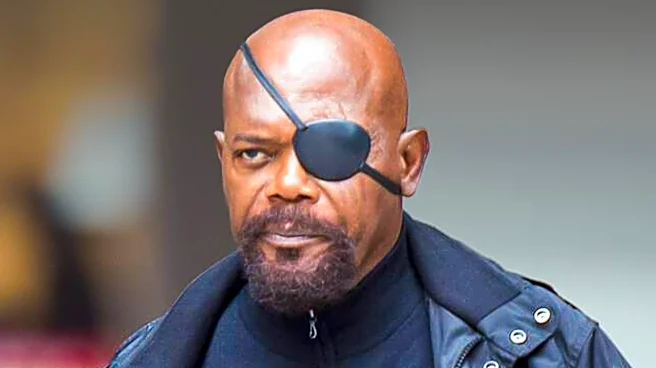
Samuel L. Jackson, the renowned actor, is facing significant backlash after sharing a controversial Instagram post. The post, originally from the SEC Black Alumni Network, accused Argentina of being 'historically' racist, particularly in the context of the country's
recent FIFA World Cup final defeat. The post included an AI-generated image of Jackson's character from Django Unchained wearing an Argentina jersey. This sparked a wave of criticism from fans and followers who accused Jackson of spreading misinformation. Many pointed out Argentina's history of abolition and cultural diversity, arguing that the post misrepresented the country's past. The backlash highlights the sensitivity and complexity of discussing historical racism and the responsibilities of public figures in sharing such narratives.
Why It's Important?
The incident underscores the influence and responsibility of celebrities in shaping public discourse, especially on sensitive topics like racism. Jackson's post, perceived as spreading misinformation, highlights the potential for social media to amplify controversial narratives. This situation also reflects broader discussions about historical narratives and their impact on current perceptions. The backlash from fans indicates a demand for accuracy and sensitivity in discussions about race and history. It also raises questions about the role of public figures in addressing complex social issues and the potential consequences of their statements on international relations and cultural perceptions.