

What's Happening?
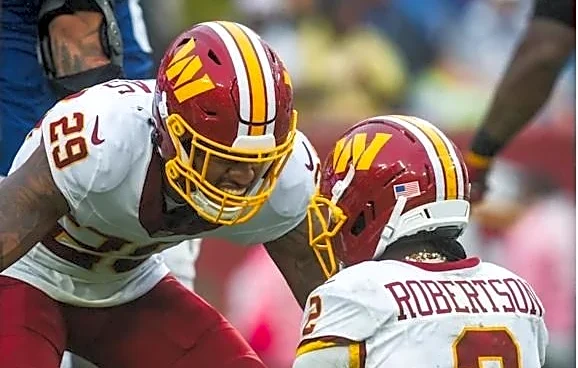
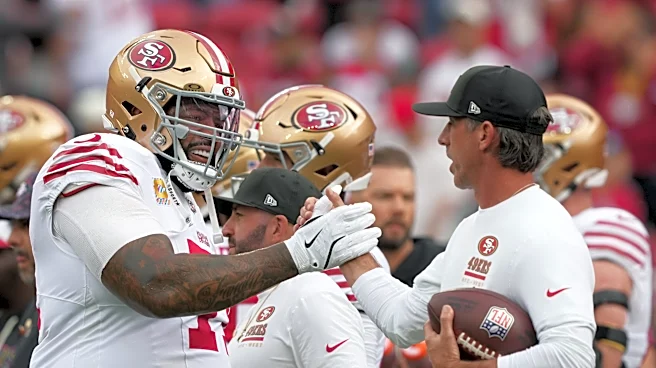
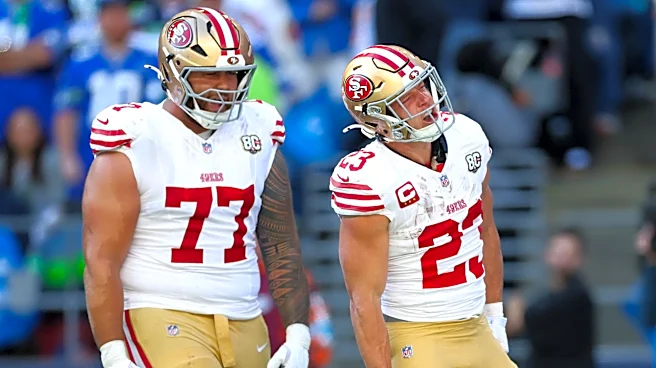
FOX experienced significant viewer complaints on social media due to delayed coverage of the San Francisco 49ers versus Seattle Seahawks game. The conflict arose because an earlier 1 p.m. ET game between the New York Giants and Washington Commanders went
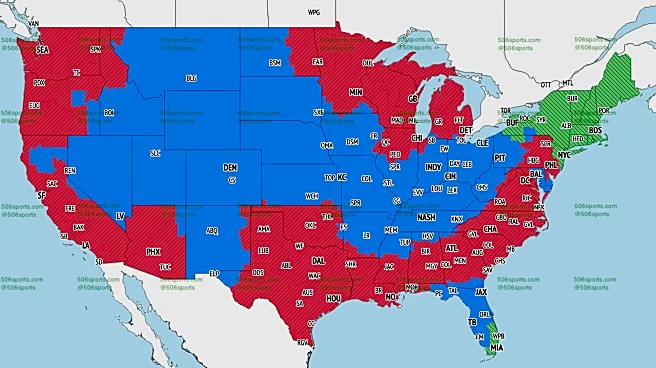
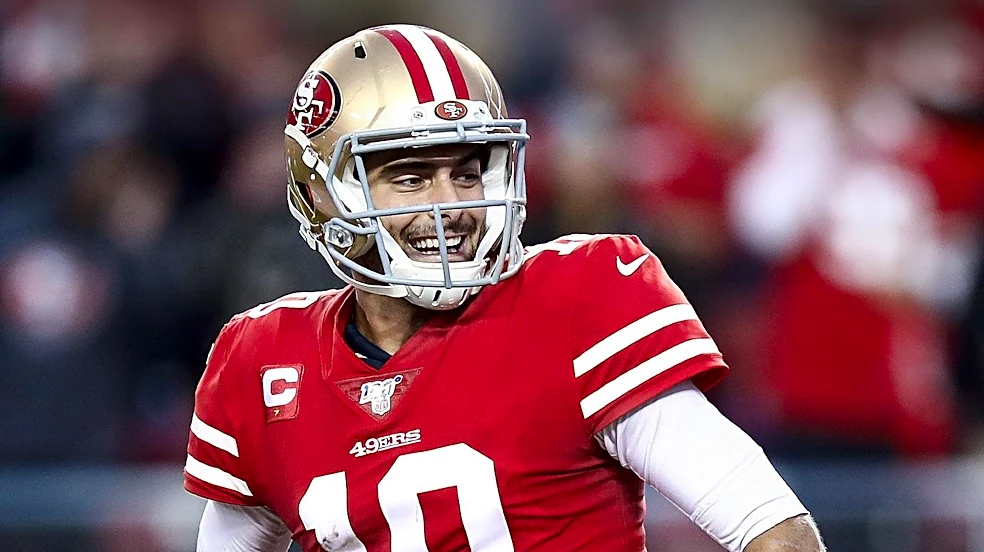
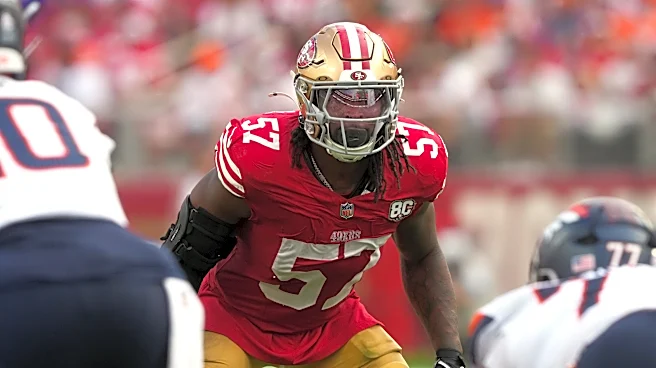
into overtime, extending beyond its scheduled broadcast window. This overlap meant that some local FOX affiliates continued showing the Giants-Commanders game, delaying the start of the highly anticipated 49ers-Seahawks matchup, which was designated as America's Game of the Week and scheduled for a 4:25 p.m. ET kickoff. Viewers in affected markets missed initial plays, including an early interception by Renardo Green and Brock Purdy's touchdown pass to Mike Evans. NFL Sunday Ticket subscribers also faced issues, as the service excludes local television games, preventing them from watching the 49ers-Seahawks game through their subscriptions if it was carried by their local FOX affiliate. The 49ers ultimately defeated the Seahawks 32-29.
Why It's Important?
This incident highlights the complexities and frustrations for sports fans and broadcasters alike in managing overlapping live sporting events, particularly within the NFL's broadcast schedule. For FOX, the decision to prioritize the ongoing overtime game led to immediate negative feedback from a significant portion of its audience, potentially impacting viewer loyalty and advertising revenue for future broadcasts. For consumers, the situation underscores the challenges of navigating various viewing platforms and understanding broadcast rights, especially with the rise of streaming services like YouTube TV's NFL Sunday Ticket, which has specific limitations regarding local games. The widespread social media reaction demonstrates the power of viewer sentiment in the digital age and its immediate impact on network reputation. This event could prompt broadcasters to re-evaluate their strategies for handling schedule conflicts and communicating with viewers during live sports programming.
What's Next?
Broadcasting networks like FOX may review their protocols for managing overlapping live events to mitigate future viewer dissatisfaction. This could involve clearer communication to audiences about potential delays, offering alternative viewing options, or adjusting scheduling to minimize conflicts. The NFL and its broadcast partners might also consider how to better integrate streaming services with traditional television broadcasts to ensure a seamless viewing experience for all fans, regardless of their subscription model. Social media will likely continue to be a primary channel for immediate viewer feedback, pressuring networks to be more responsive to real-time audience concerns. The incident could also influence future negotiations between sports leagues and broadcasters regarding scheduling flexibility and the allocation of high-profile games.
Beyond the Headlines
The incident reflects a broader tension in the evolving media landscape, where traditional broadcast models intersect with modern streaming preferences. As more content shifts to digital platforms, the expectations of instant access and personalized viewing experiences are growing. This event exposes the limitations of traditional linear television scheduling in meeting these demands. It also raises questions about the value proposition of premium sports packages like NFL Sunday Ticket, especially when local broadcast restrictions prevent access to key games. The public outcry underscores a cultural shift where consumers expect greater control and transparency from their media providers. This could accelerate the move towards more flexible, on-demand sports content delivery, potentially reshaping how major sports leagues and networks structure their broadcast agreements and engage with their fan bases in the long term.