
What's Happening?
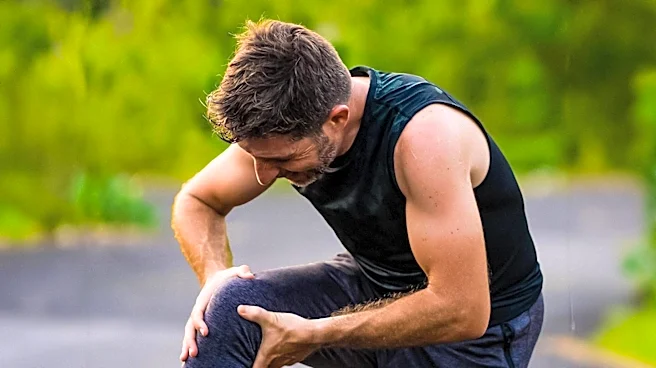
Eilish McColgan, the reigning Women's 10,000m champion, has withdrawn from the Commonwealth Games in Glasgow due to a toe injury sustained at the London Marathon. This injury has forced her to stop running for six to eight weeks, significantly altering
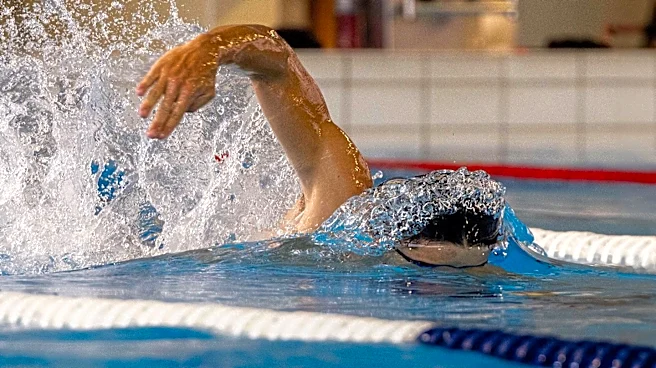
her training regimen. McColgan, who won her first major title at the 2022 Games in Birmingham with a record time of 30:48.60, has shifted her focus to longer road distances in recent years. Despite the setback, she has incorporated cross-training and low-impact exercises into her routine, a strategy she has used since undergoing foot surgery in 2011. This approach has allowed her to maintain her fitness and continue competing at a high level.
Why It's Important?
McColgan's withdrawal from the Commonwealth Games highlights the challenges athletes face in maintaining peak performance amidst injuries. Her reliance on cross-training underscores the importance of adaptable training methods in professional sports. This development also draws attention to the broader issue of athlete health and the need for sustainable training practices. McColgan's situation may influence other athletes to consider alternative training methods to prevent injuries and prolong their careers. Additionally, her involvement in promoting sports for young athletes through her non-profit organization, Giving Back To Track, emphasizes the role of sports in mental health and community engagement.
What's Next?
As McColgan recovers, she will likely continue to focus on cross-training and rehabilitation to regain her competitive edge. Her absence from the Commonwealth Games may open opportunities for emerging athletes to make their mark. McColgan's future participation in major competitions will depend on her recovery progress and ability to adapt her training. Her ongoing efforts with Giving Back To Track will continue to support young athletes, potentially inspiring a new generation of competitors. The sports community will be watching her recovery closely, as her experience may offer valuable insights into injury management and training adaptation.
Beyond the Headlines
McColgan's story highlights the resilience required in professional sports, where injuries can abruptly alter career trajectories. Her commitment to cross-training and mental health advocacy reflects a holistic approach to athlete well-being. This incident also raises questions about the pressures athletes face to perform despite physical setbacks. McColgan's journey may encourage a cultural shift towards prioritizing long-term health over immediate success in sports. Her work with young athletes could foster a more supportive environment that values mental health and sustainable training practices.