





What's Happening?
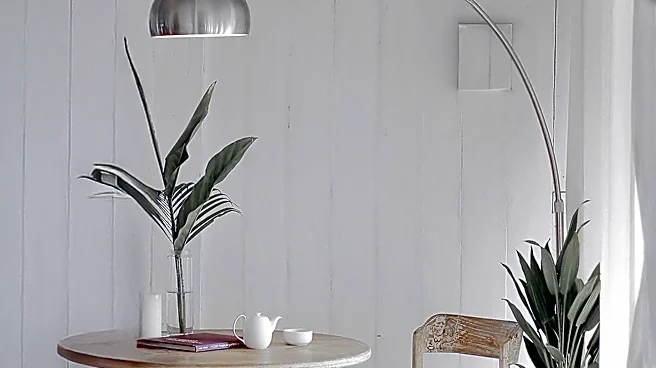
Scandinavian minimalism, often associated with white walls and sparse interiors, is rooted in a complex history of social reform, industrial production, and colorful design traditions. This design philosophy emphasizes functional forms, controlled material
palettes, and space around objects. Historically, Scandinavian design was linked to democratic values and mass production, making beauty and usefulness accessible. However, many iconic pieces are now expensive design classics, challenging the original social ambitions. Real Scandinavian homes are diverse, containing inherited furniture and personal items, reflecting individual tastes and circumstances.
Why It's Important?
The global influence of Scandinavian minimalism has shaped modern design aesthetics, promoting simplicity and functionality. This trend has impacted various industries, encouraging sustainable practices and thoughtful consumption. However, the commercialization of minimalism often overlooks its social and cultural roots, leading to a superficial understanding of the style. As the design continues to evolve, it highlights the tension between marketable aesthetics and authentic living spaces, prompting a reevaluation of what minimalism truly represents in contemporary society.