



What's Happening?
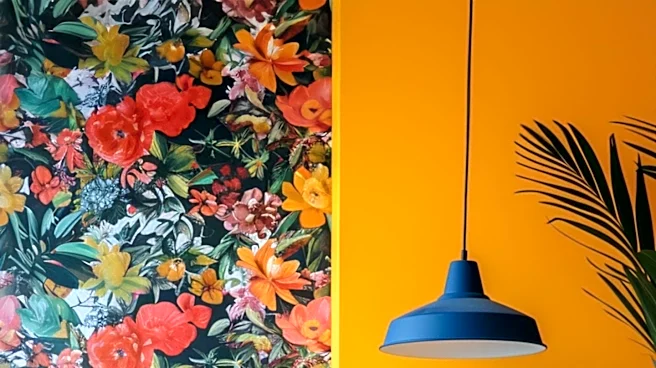
Maximalism is gaining prominence as a leading interior design style, characterized by its embrace of abundance, opulence, and extravagance. This approach stands in stark contrast to minimalism, which prioritizes simplicity and restraint. Maximalist design integrates
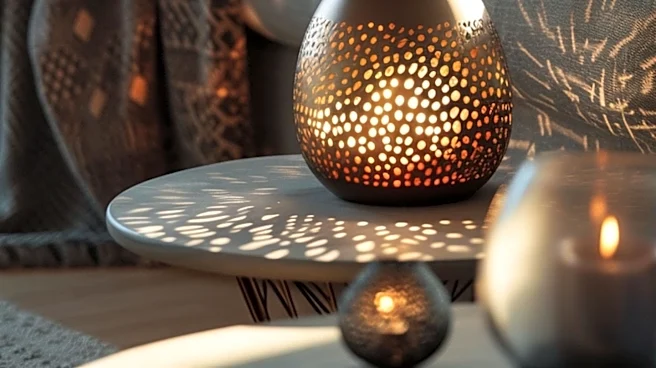
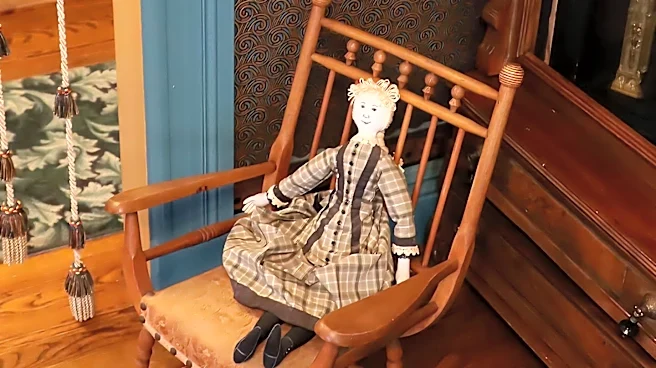
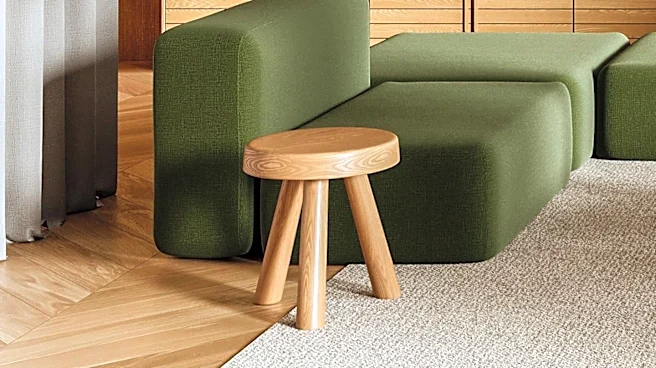
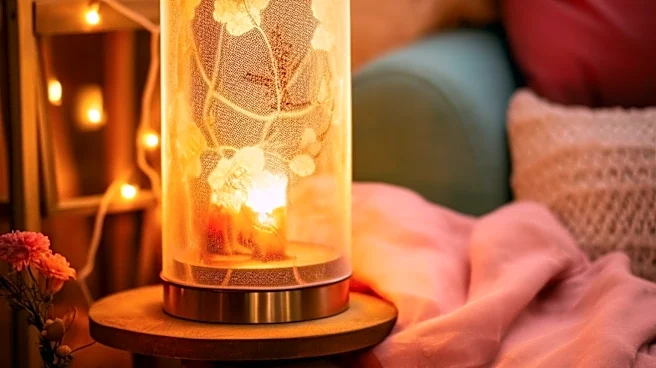
a rich array of colors, patterns, textures, and decorative objects to craft expressive and visually engaging spaces. Unlike mere clutter, effective maximalist design involves careful layering and coordination, utilizing repeated colors, materials, and patterns to establish structure and visual harmony. The style encourages homeowners to display artwork, cherished objects, colorful textiles, and distinctive furniture, moving beyond restrained interiors to create homes with genuine personality. It is particularly appealing to those who appreciate interiors with a sense of drama, combining elements like rich colors, patterned rugs, decorative mirrors, statement lighting, and sculptural accessories to achieve a luxurious and individual atmosphere. Maximalism also allows for the coexistence of diverse design influences, where contemporary furniture can blend with vintage-inspired accessories, and traditional artwork can be paired with modern lighting and bold textiles.
Why It's Important?
The rise of maximalism in interior design signifies a broader cultural shift towards personal expression and individuality within American homes. This trend impacts the U.S. home furnishings and decor industries by driving demand for a wider variety of products, including vibrant textiles, unique art pieces, and ornate furniture. Businesses in these sectors may see increased sales in categories that support layered and eclectic aesthetics, moving away from the more subdued palettes and minimalist forms that have dominated for years. For consumers, maximalism offers an opportunity to create living spaces that truly reflect their personalities and life stories, fostering a sense of comfort and authenticity. This shift could also influence architectural design, encouraging more intricate detailing and diverse material use in new constructions and renovations. The emphasis on combining contrasting elements thoughtfully, rather than simply accumulating items, suggests a more sophisticated consumer base that values curated abundance over indiscriminate acquisition, potentially elevating the market for artisanal and unique decorative items.
What's Next?
As maximalism continues to gain traction, interior designers and retailers are likely to further explore and promote diverse interpretations of the style, such as colorful maximalism, luxury maximalism, eclectic maximalism, pattern-led maximalism, dark maximalism, and modern maximalism. We can anticipate an increase in product offerings that cater to these sub-styles, including furniture with strong foundations like curved sofas and distinctive dining tables, as well as a broader selection of materials like velvet, bouclé, linen, marble, and various metals. Educational content and styling tips will likely focus on how to layer patterns carefully, choose dominant color palettes with complementary accents, and integrate meaningful decorative pieces. The trend may also lead to more collaborations between designers and artists to create unique, statement-making items. Furthermore, the emphasis on individuality suggests a continued move away from mass-produced, generic decor, potentially boosting the market for custom and handcrafted goods.
Beyond the Headlines
Beyond its aesthetic appeal, maximalism reflects a deeper psychological and cultural yearning for comfort, self-expression, and a rejection of austerity in an increasingly complex world. In a society often characterized by digital minimalism and streamlined experiences, the home becomes a sanctuary for sensory richness and personal narrative. This design philosophy encourages a more mindful consumption of objects, where each piece is chosen for its meaning and contribution to a layered story, rather than its adherence to a fleeting trend. It challenges the notion that less is always more, advocating instead for a curated abundance that can evoke warmth, history, and a sense of belonging. The success of maximalism hinges on thoughtful arrangement and a considered palette, transforming potential chaos into sophisticated harmony. This approach could foster a greater appreciation for craftsmanship, heritage, and the emotional value of possessions, moving beyond purely functional or minimalist considerations in home design.