






What's Happening?
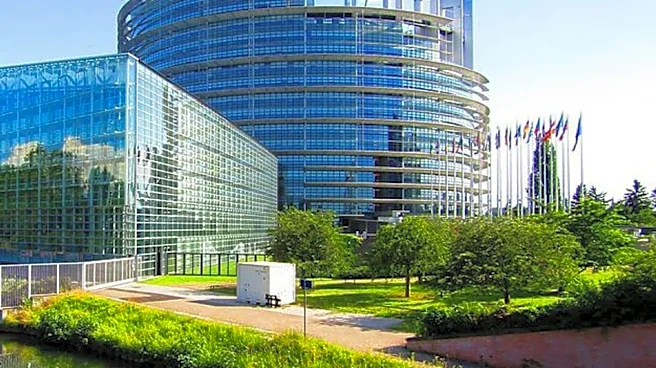
The International Swaps and Derivatives Association (ISDA) submitted comments on October 30 regarding the European Parliament’s (EP) proposed transaction reporting and transparency-related amendments to the European Commission’s Market Integration and Supervision
Package (MISP). While ISDA commended the EP's ambition in transaction reporting, it cautioned against attempting significant structural reform within MISP. ISDA believes that such reforms would be better achieved through a separate legislative vehicle, which would allow for adequate time for scrutiny and revision of the proposed legislation. Regarding transparency, ISDA expressed support for the EP’s amendments that aim to remove post-trade transparency requirements for transactions executed between non-EU branches of EU investment firms and non-EU counterparties. This support is contingent on these transactions being made publicly transparent through third-country approved publication arrangements that have a transparency regime similar to that under the Markets in Financial Instruments Regulation (MIFIR).
Why It's Important?
ISDA's comments on the European Parliament's MISP amendments are significant for the global financial industry, including U.S. financial institutions with operations in Europe. The proposed changes to transaction reporting and transparency requirements could impact how derivatives are traded and reported, potentially increasing compliance costs or altering market liquidity. ISDA's call for a separate legislative vehicle for structural reforms highlights concerns about rushed or inadequately vetted regulations, which could create unintended consequences for market participants. The support for removing post-trade transparency requirements for certain non-EU transactions could alleviate regulatory burdens for international firms, fostering more efficient cross-border trading. However, the condition that these transactions must be transparent under a comparable third-country regime underscores the ongoing global effort to balance regulatory oversight with market efficiency. U.S. firms will need to closely monitor these developments to ensure compliance and adapt their operational strategies accordingly.
What's Next?
The European Parliament and the European Commission will now consider ISDA's comments, along with feedback from other stakeholders, as they move forward with the MISP amendments. ISDA's recommendation for a separate legislative vehicle for structural reforms in transaction reporting suggests that this issue may be revisited in a different context, potentially leading to a more comprehensive overhaul of reporting requirements in the future. The debate over transparency requirements, particularly for non-EU transactions, will continue as regulators seek to balance market integrity with the competitiveness of European financial centers. Financial institutions, especially those with international operations, will need to stay informed about the final versions of these amendments and prepare for any necessary adjustments to their reporting and transparency practices. The outcome will shape the regulatory landscape for derivatives markets in Europe for years to come.
Beyond the Headlines
The debate surrounding the MISP amendments and ISDA's input reflects a broader tension in financial regulation: the desire for comprehensive oversight versus the need for market efficiency and global competitiveness. The 'cordon sanitaire' against radical right movements, while seemingly unrelated, could indirectly influence the regulatory environment if political shifts lead to more protectionist or isolationist economic policies within the EU. The complexity of regulating cross-border financial transactions, particularly in the derivatives market, highlights the challenges of harmonizing international standards while respecting national or regional regulatory frameworks. This ongoing dialogue between regulators and industry stakeholders is crucial for developing effective and sustainable financial policies that support both market stability and economic growth. The outcome of these discussions could set precedents for how other major financial jurisdictions, including the U.S., approach similar regulatory challenges.