



What's Happening?
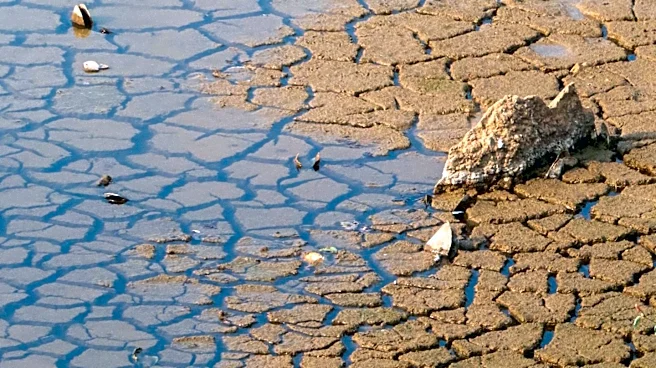
The U.S. Small Business Administration (SBA) is providing low-interest federal disaster loans to small businesses and private nonprofits in parts of Utah, Idaho, and Wyoming. These loans are specifically for entities impacted by drought conditions since
May 1. Eligible counties include Cache, Morgan, Rich, Summit, and Weber in Utah; Bear Lake and Franklin in Idaho; and Lincoln and Uinta in Wyoming. The loans, which can be up to $2 million, are designed to help cover operating expenses affected by the drought. Interest rates are as low as 4% for small businesses and 3.625% for private nonprofits, with loan terms extending up to 30 years. There will be no interest or required payments during the first 12 months after the loan is disbursed. Cortney Jones, a crop insurance agent with the Leavitt Group, noted that dry conditions have created challenges beyond just farmers and growers, emphasizing the severity of the drought. The application deadline for these disaster loans is May 17, 2027.
Why It's Important?
This initiative is crucial for the economic stability of small businesses and nonprofits in the affected Western states, which are particularly vulnerable to the impacts of prolonged drought. The availability of low-interest, long-term disaster loans provides a vital financial safety net, preventing potential closures and job losses in communities already grappling with unpredictable weather patterns and rising operational costs. By offering deferred payments and competitive interest rates, the SBA helps these businesses maintain liquidity and recover from significant revenue shortfalls or increased expenses due to water scarcity. This support is essential for sectors like agriculture, tourism, and related services that are directly or indirectly affected by environmental conditions. The program underscores the federal government's role in mitigating the economic consequences of natural disasters, ensuring that local economies can withstand and recover from environmental challenges.
What's Next?
Small businesses and private nonprofits in the designated counties have until May 17, 2027, to apply for these disaster loans. The SBA will determine eligibility and loan amounts based on individual applications. Following the application period, the SBA will process requests and disburse funds to approved entities, allowing them to address their drought-related operating expenses. The initial 12-month period without interest or required payments will provide immediate relief, enabling businesses to stabilize their operations before repayment begins. The long-term impact will depend on the effectiveness of these loans in helping businesses recover and adapt to future environmental challenges, potentially influencing future federal disaster relief policies for climate-related events. Continued monitoring of drought conditions and their economic effects will likely inform subsequent support measures.
Beyond the Headlines
The recurring need for disaster relief due to drought highlights a broader challenge of climate change and its economic ramifications for U.S. businesses. While these loans offer immediate financial assistance, they also underscore the increasing vulnerability of certain industries and regions to environmental shifts. This situation prompts deeper discussions about long-term resilience strategies, including investments in sustainable water management, climate-adaptive business practices, and comprehensive insurance solutions. The federal government's role may evolve beyond reactive disaster aid to proactive measures that help businesses build resilience against future climate impacts. Furthermore, the program's focus on small businesses and nonprofits emphasizes their critical role in local economies and the disproportionate impact environmental disasters can have on them, necessitating tailored support mechanisms.