








What's Happening?
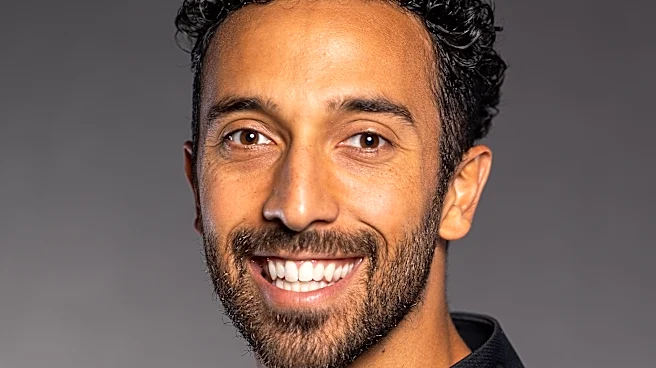
Mark Cuban, former majority owner of the Dallas Mavericks, has accused the team's current governor, Patrick Dumont, of excluding him from business opportunities related to a proposed relocation of the team. According to a report by the Dallas Morning
News, Cuban claims Dumont has engaged in 'adversarial business practices' as part of a plan to move the Mavericks approximately 10 miles north of downtown Dallas. This move involves the purchase of 104 acres in north Dallas, where a new arena is planned to open in 2031. Cuban, who sold his majority stake in 2023 to the families of Miriam Adelson and Dumont, retains a 27% ownership in the team. However, there is a clause allowing the Adelson and Dumont families to purchase an additional 20% of his stake. Cuban alleges he was unaware of a significant trade involving superstar Luka Doncic until it was too late to intervene, a decision that reportedly backfired and led to the firing of former general manager Nico Harrison.
Why It's Important?
This development is significant as it highlights potential internal conflicts within the ownership structure of the Dallas Mavericks, a prominent NBA team. The exclusion of Mark Cuban, a well-known figure in the sports and business world, from key decisions could impact the team's strategic direction and operational dynamics. The proposed relocation and new arena construction represent a major investment and shift for the Mavericks, potentially affecting local economies and the team's fan base. The allegations of adversarial practices could also influence investor confidence and stakeholder relations within the organization. Furthermore, the situation underscores the complexities of ownership transitions in professional sports, where business interests and team management often intersect.
What's Next?
The next steps involve monitoring the legal and business proceedings as Cuban's allegations are addressed. The outcome could affect the ownership dynamics and future decision-making processes within the Mavericks organization. Additionally, the proposed arena project will likely continue to progress, with potential implications for local development and economic activity in north Dallas. Stakeholders, including fans, investors, and local businesses, will be keenly observing how these developments unfold and their impact on the team's performance and community engagement.