






What's Happening?
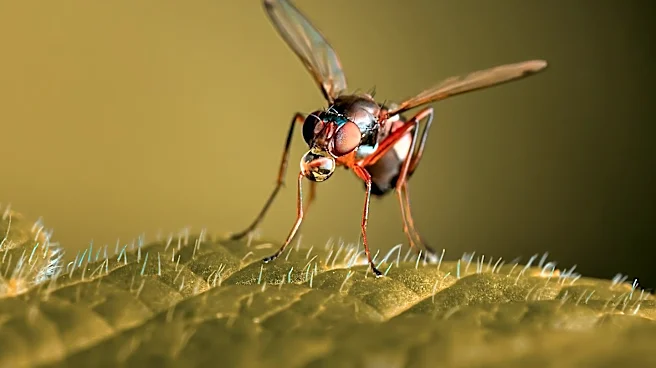
Sher-Rockee Mushroom Farms in Upper Oxford Township, Pennsylvania, a family-owned business producing approximately 200,000 pounds of mushrooms weekly, has adopted a new strategy to combat the phorid, or scuttle fly, which previously caused the farm to lose
about half of its crop. The scuttle fly is a significant threat to Pennsylvania's $1.3 billion mushroom industry, destroying 10% to 40% of crops annually, according to the Pennsylvania Department of Agriculture. The farm partnered with Swiss company Vestergaard, known for developing insecticide-treated mosquito nets, to implement pesticide-infused nets. These nets kill flies within 10 to 30 minutes of contact and are used during the mushroom's spawning phase for about 12 days. This initiative has significantly reduced crop loss due to the pest. Additionally, the farm is employing other preventative measures, such as placing pesticide-infused nets over air ducts and attracting natural predators like purple martins with bird feeders.
Why It's Important?
The scuttle fly infestation poses a substantial economic threat to the U.S. mushroom industry, particularly in Pennsylvania, which is a major producer. The annual loss of 10% to 40% of crops translates to millions of dollars in lost revenue for farms, impacting their profitability and sustainability. The success of Sher-Rockee Mushroom Farms in mitigating this pest through innovative netting technology offers a potential blueprint for other mushroom farms facing similar challenges. This development could lead to more widespread adoption of such pest control methods, safeguarding crop yields and ensuring a more stable supply of mushrooms to consumers. Furthermore, the collaboration between a farm, a private company, and academic researchers (Penn State entomology professor Michael Wolfin) highlights the importance of interdisciplinary approaches to agricultural challenges, potentially fostering more effective and sustainable solutions for pest management across various agricultural sectors.
What's Next?
The American Mushroom Institute has secured $250,000 from the Pennsylvania Department of Agriculture for phorid fly mitigation efforts, including funding for fly netting and compliance tools for growers. The institute also played a role in securing EPA approval for a new phorid mitigation tool and hundreds of thousands of dollars from the U.S. Department of Agriculture for a fly-counting system. These investments suggest a broader push to implement effective pest control strategies across the industry. Other mushroom farms in Pennsylvania and potentially across the U.S. may adopt similar netting technologies and integrated pest management approaches. Continued research and development, possibly led by institutions like Penn State, will likely focus on refining these methods and exploring new solutions to ensure long-term protection against the scuttle fly and other agricultural pests.
Beyond the Headlines
The successful application of insecticide-treated nets, originally developed for malaria prevention, to agricultural pest control demonstrates a fascinating cross-sectoral innovation. This highlights how technologies and solutions from one field can be adapted to address seemingly unrelated problems, potentially leading to more efficient and environmentally conscious pest management strategies. The emphasis on integrated pest management, combining netting with natural predators, also reflects a growing trend in agriculture towards more holistic and sustainable practices that reduce reliance on broad-spectrum pesticides. This approach not only protects crops but also minimizes environmental impact and supports biodiversity. The collaboration between farmers, researchers, and industry organizations underscores the collective effort required to tackle complex agricultural challenges and ensure food security.