





What's Happening?
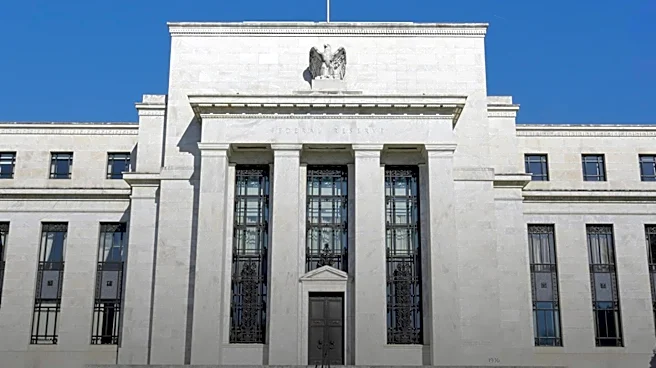
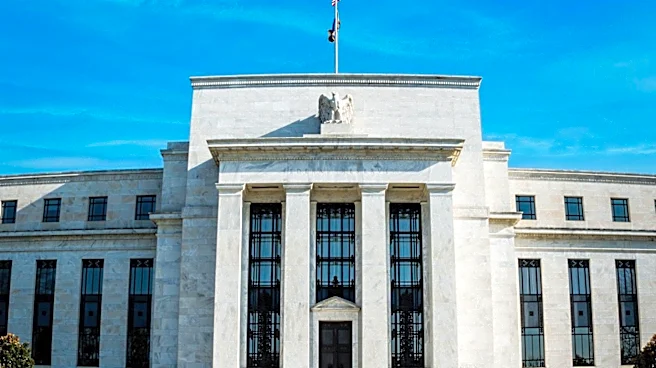
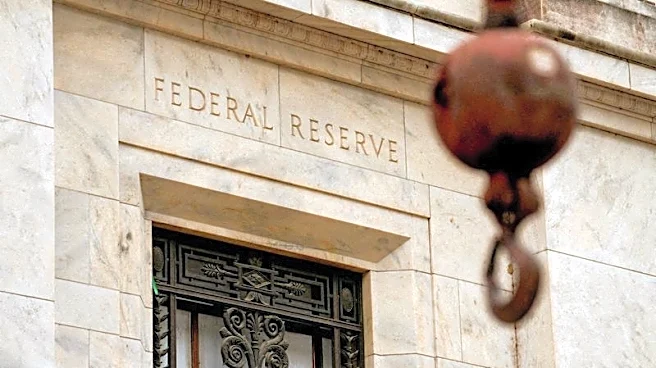
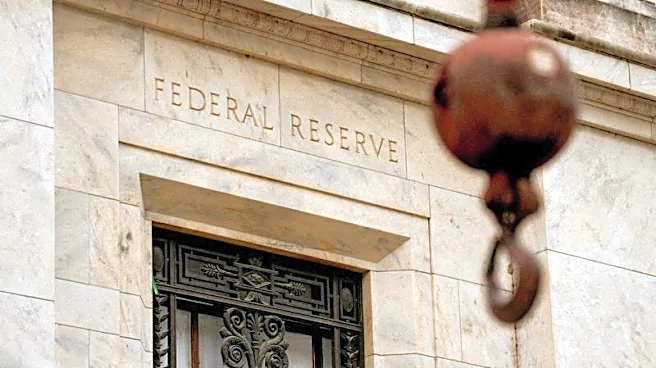
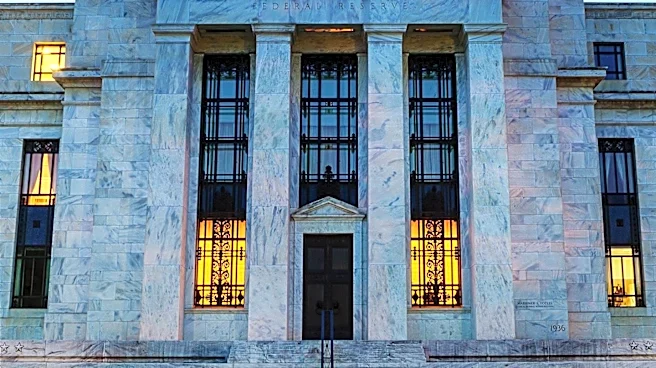
The Federal Reserve, acting as the central bank of the United States, is tasked with maintaining a safe, flexible, and stable monetary and financial system. Its primary function involves executing monetary policy, which includes setting a target range
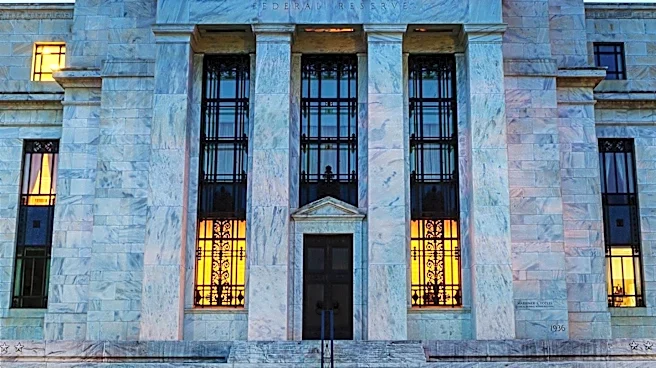
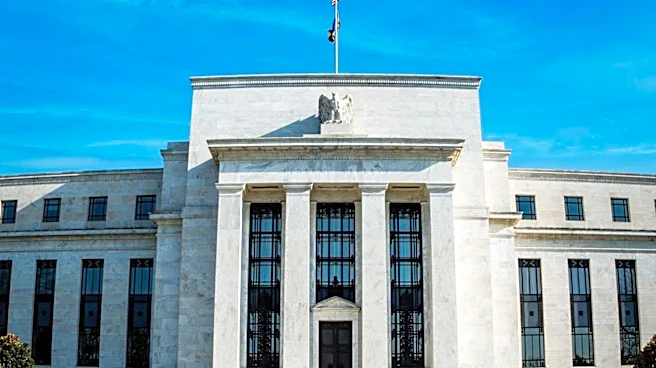
for the federal funds rate—the interest rate banks charge each other for overnight loans. Additionally, the Federal Reserve pays interest on the reserves held by banks. This mechanism allows the Fed to influence borrowing and spending within the economy. Lowering interest rates typically encourages borrowing and spending, stimulating economic activity, while raising them aims to cool the economy and combat inflation. Congress has mandated the Federal Reserve to pursue objectives such as maximum employment, stable prices, and moderate long-term interest rates. The Federal Reserve Board, located in Washington, D.C., provides leadership and oversight for the entire system, which includes 12 Reserve Banks. The New York Fed, for instance, emphasizes sound corporate governance in its operations.
Why It's Important?
The Federal Reserve's actions have a profound impact on the U.S. economy, affecting businesses, consumers, and financial markets. By adjusting the federal funds rate and managing interest on reserves, the Fed directly influences the cost of borrowing for everything from mortgages and car loans to business investments. This control over monetary policy is crucial for achieving economic stability, preventing runaway inflation, and fostering job growth. When the Fed raises rates, it can make borrowing more expensive, potentially slowing down economic expansion but helping to curb inflation. Conversely, lowering rates can make credit more accessible, encouraging investment and consumer spending, which can boost employment. The stability provided by the Federal Reserve's policies is vital for maintaining confidence in the U.S. dollar and the broader financial system, impacting both domestic and international economic stakeholders.
What's Next?
The Federal Reserve continuously monitors economic indicators such as unemployment rates, inflation figures, and long-term interest rates to inform its policy decisions. Future actions will depend on the evolving economic landscape and the Fed's assessment of whether the economy is moving towards its dual mandate of maximum employment and stable prices. For instance, if inflation remains persistently high, the Fed might consider further rate hikes to cool the economy. Conversely, if economic growth slows significantly or unemployment rises, the Fed could opt to lower rates to stimulate activity. These decisions are typically communicated through official statements and press conferences, providing guidance to financial markets and the public on the future direction of monetary policy. Businesses and consumers will closely watch these announcements for signals regarding borrowing costs and economic outlook.
Beyond the Headlines
The Federal Reserve's role extends beyond immediate economic adjustments; it also shapes the long-term financial health and structure of the U.S. economy. The concept of fractional reserve lending, where banks lend out a portion of deposits, is fundamental to how money is created in the economy, and the Fed's policies influence this process. While the textbook money multiplier provides a theoretical framework, real-world lending is also influenced by factors like loan demand, bank caution, and regulatory frameworks. The Fed's ability to adapt its tools, such as reducing reserve requirement ratios to zero in March 2020, demonstrates its flexibility in responding to unprecedented economic conditions. This adaptability highlights the complex interplay between monetary policy, banking practices, and broader economic stability, underscoring the Fed's critical role in navigating both immediate challenges and long-term economic shifts.