






What's Happening?
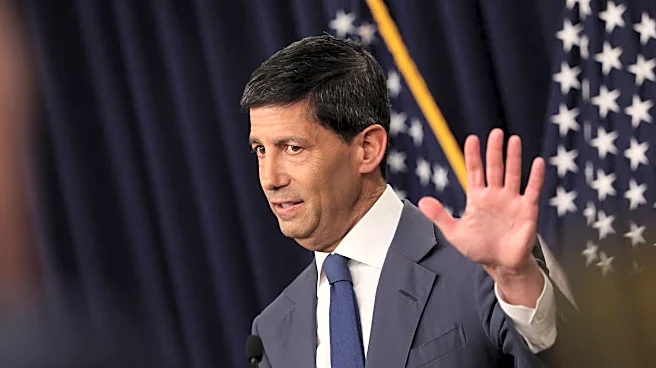
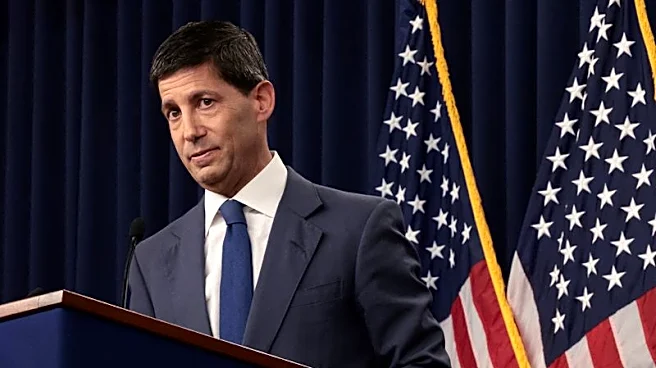
Federal Reserve Chairman Kevin Warsh is considering a change in the frequency of the central bank's policy meetings. Currently, the Federal Open Market Committee (FOMC) meets eight times a year to set interest rates. Warsh has proposed reducing this to six
meetings focused on monetary policy, with two additional meetings dedicated to substantive economic discussions. This proposal was discussed at a recent FOMC meeting, with the aim of aligning policy decisions more closely with major economic data releases. The potential change reflects Warsh's broader approach to revising the Fed's policymaking and communication strategies.
Why It's Important?
The proposed change in the Federal Reserve's meeting schedule could have significant implications for monetary policy and financial markets. Fewer meetings may lead to more deliberate decision-making processes, potentially impacting the timing and frequency of interest rate changes. This could affect market expectations and investor strategies, particularly in sectors sensitive to interest rate fluctuations. The proposal also highlights Warsh's intent to streamline the Fed's operations and improve its responsiveness to economic developments, which could influence the central bank's effectiveness in managing economic stability.
What's Next?
If implemented, the proposed changes to the Fed's meeting schedule would require adjustments in how the central bank communicates with the public and financial markets. Stakeholders, including investors and policymakers, will be closely monitoring any official announcements regarding the new schedule. The Fed's ability to adapt its communication strategies to align with fewer meetings will be crucial in maintaining transparency and managing market expectations. Additionally, the impact of these changes on the Fed's policy decisions and economic outlook will be a key area of focus for analysts and economists.