







What's Happening?
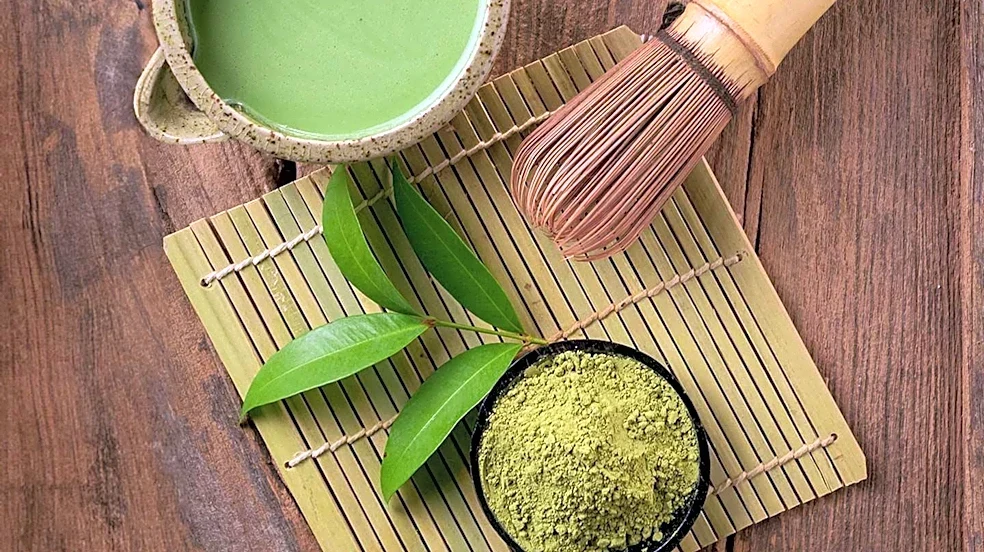
Matcha and moringa powders are gaining popularity as green superfoods, each offering distinct characteristics for morning rituals. Matcha, a finely ground green tea, contains 60–70 mg of caffeine per serving, providing a gradual and less jittery energy
boost due to the presence of L-theanine. It is traditionally prepared by whisking with hot water and is known for its umami-rich, vegetal flavor. Moringa powder, derived from the moringa tree, is naturally caffeine-free, making it suitable for individuals sensitive to caffeine or those seeking to avoid stimulants. Moringa has an earthy, herbaceous taste and is versatile in preparation, blending easily into smoothies, lattes, or savory dishes. The choice between matcha and moringa often depends on individual caffeine needs, taste preferences, and desired preparation rituals.
Why It's Important?
The growing interest in matcha and moringa reflects a broader consumer trend in the U.S. towards health-conscious choices and personalized wellness routines. As individuals become more aware of their caffeine intake and seek natural alternatives, these green powders provide diverse options. Matcha caters to those who appreciate a sustained energy lift and a mindful preparation process, often integrating into a ritualistic start to the day. Moringa, being caffeine-free, offers a gentle alternative for those seeking clarity and energy without the stimulating effects, aligning with a desire for calm wellness. This trend impacts the food and beverage industry, driving innovation in functional drinks, supplements, and culinary applications that incorporate these ingredients. It also highlights the importance of understanding individual dietary needs and preferences in the pursuit of well-being.
What's Next?
Consumers are encouraged to conduct home taste tests and experiment with recipes to determine which powder best fits their lifestyle and preferences. The market for these superfoods is likely to see continued innovation in product forms and culinary applications. Brands will likely focus on transparent sourcing and sustainability, as these factors are increasingly important to consumers. The availability of products like Papaya Leaf Tea and Sea Moss also indicates a growing market for diverse plant-based wellness options. As more people seek to customize their energy and nutrition boosts, the demand for clear labeling and information on ingredients like L-theanine and guarana will become crucial for informed choices. The emphasis on mindful consumption and personalized routines suggests a sustained interest in these natural alternatives.
Beyond the Headlines
Beyond their nutritional benefits, the adoption of matcha and moringa into daily routines signifies a cultural shift towards intentional living and self-care. The ritualistic preparation of matcha, for instance, can serve as a form of mindfulness, offering a moment of calm in a fast-paced world. Moringa's versatility and caffeine-free nature align with a desire for sustained energy without reliance on stimulants, promoting a more balanced approach to daily alertness. This trend also underscores the influence of global culinary traditions on American dietary habits, as both matcha (from Japan) and moringa (from Africa and Asia) bring diverse flavors and health philosophies. The focus on 'green powders' as a category suggests a broader acceptance and integration of plant-based ingredients into mainstream wellness practices, potentially leading to further exploration of other traditional superfoods.