







What's Happening?
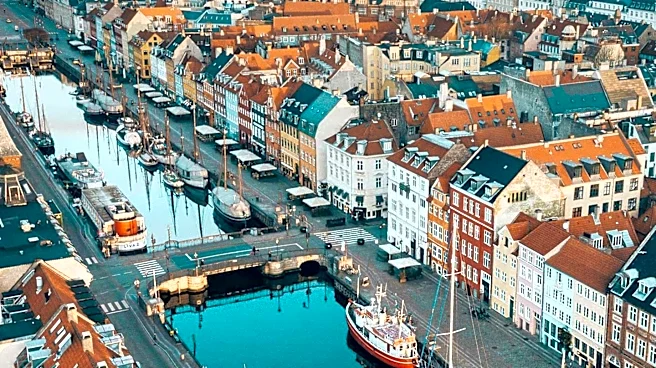
Copenhagen, Denmark, is highlighted as a vibrant capital city known for its rich history, innovative culture, and excellent dining scene. The city provides a variety of attractions, including the Tivoli Gardens amusement park and the Copenhagen Zoo. It
also boasts numerous gourmet restaurants, with several recognized for their Michelin stars and unique culinary approaches, ranging from modern smørrebrød to Korean-Danish fine dining. Popular hotels such as CityHub Copenhagen, 25hours Hotel Paper Island, and 71 Nyhavn Hotel are noted for their accommodations, with some offering highly-rated breakfasts. The city is praised for its walkability, efficient public transportation, and numerous parks and waterways, making it an attractive destination for tourists. Copenhagen's dining scene is described as both deeply Danish and globally influential, offering a range of experiences from accessible local favorites to high-end establishments.
Why It's Important?
The appeal of Copenhagen as a tourist destination contributes to the global tourism industry, offering a unique blend of historical charm and modern innovation. For U.S. travelers, the city presents an opportunity to experience European culture, renowned culinary arts, and a high standard of urban living. The emphasis on sustainability and livability in Copenhagen could influence urban planning and tourism development strategies in other cities, including those in the U.S., by showcasing successful models for integrating green spaces, efficient public transport, and cultural preservation. The city's diverse restaurant scene, featuring both traditional Danish and internationally influenced cuisine, highlights the growing global interest in culinary tourism and the economic benefits it brings to local economies through increased visitor spending on dining and hospitality.
What's Next?
Copenhagen is expected to continue attracting tourists due to its established reputation for culture, dining, and livability. The city's ongoing efforts in sustainability and urban design may serve as a benchmark for other global cities, potentially leading to increased international collaborations and knowledge exchange in these areas. The culinary scene is likely to evolve further, with chefs continuing to innovate and blend traditional Danish flavors with global influences, maintaining Copenhagen's status as a leading dining destination. Future developments might include further enhancements to its public transportation infrastructure and the expansion of its cultural offerings to accommodate growing tourist numbers, ensuring the city remains a top choice for international visitors seeking diverse experiences.
Beyond the Headlines
Beyond its immediate appeal, Copenhagen's success as a vibrant and livable city underscores broader trends in urban development and tourism. The city's commitment to sustainability and thoughtful urban planning reflects a global shift towards more environmentally conscious and resident-friendly urban environments. This approach not only enhances the quality of life for its inhabitants but also creates a more attractive and authentic experience for visitors, moving beyond conventional tourism models. The integration of historical preservation with modern design, as seen in its architecture and public spaces, offers a valuable lesson in balancing heritage with progress. Furthermore, the city's diverse culinary landscape, which embraces both local traditions and international innovation, highlights the role of food as a cultural ambassador and a significant driver of economic activity in the modern globalized world.