







What's Happening?
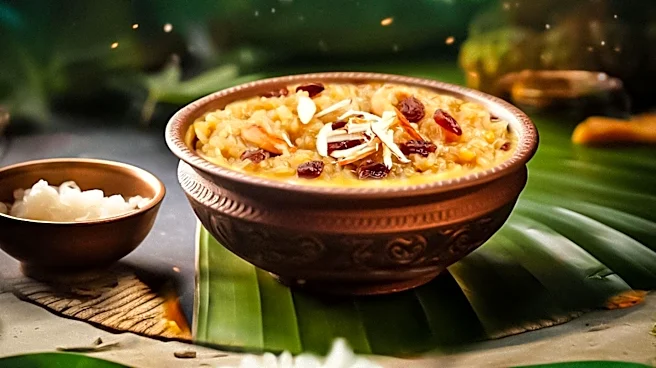
As the monsoon season envelops Kerala, the traditional dish Karkidaka Kanji, a rice porridge infused with herbs and spices, becomes a staple in many households. This dish is deeply rooted in Kerala's Ayurvedic practices, particularly during Karkidakam,
the last month of the Malayalam calendar. The preparation of Karkidaka Kanji is not merely a culinary tradition but a reflection of the Ayurvedic seasonal routine known as Varṣā ṛtucaryā, which emphasizes moderation in diet to accommodate the digestive challenges posed by the rainy season. The porridge is designed to be nourishing and easy to digest, aligning with the Ayurvedic principle of agni, or digestive fire, which is believed to be less stable during this time. Ingredients like Njavara rice, ginger, and a variety of spices are used to create a meal that supports digestion without overwhelming it.
Why It's Important?
The significance of Karkidaka Kanji lies in its role as a dietary adaptation to the monsoon's impact on digestion and overall health. By adhering to Ayurvedic principles, this dish helps maintain digestive balance during a season characterized by high humidity and cooler temperatures, which can disrupt the body's natural processes. The practice underscores the importance of aligning dietary habits with seasonal changes, a concept that can be beneficial beyond the cultural context of Kerala. It highlights a holistic approach to health that considers environmental factors and individual needs, offering insights into how traditional practices can inform modern dietary strategies.
What's Next?
As awareness of Ayurvedic practices grows, there may be increased interest in integrating such seasonal dietary adjustments into broader health and wellness routines. This could lead to a resurgence of traditional foods like Karkidaka Kanji in wellness circles outside Kerala, promoting a more nuanced understanding of how diet can be tailored to environmental and personal health needs. Additionally, the principles behind this practice could inspire further research into the benefits of seasonal eating patterns and their potential applications in contemporary health management.
Beyond the Headlines
The preparation and consumption of Karkidaka Kanji also reflect broader cultural values, such as the importance of community and tradition in maintaining health. This practice serves as a reminder of the interconnectedness of food, culture, and health, and how traditional knowledge can offer valuable insights into sustainable living. As global interest in Ayurveda continues to rise, Karkidaka Kanji could become a symbol of the potential for traditional practices to contribute to modern health paradigms.