




What's Happening?
Chicago developer Belgravia Group has acquired the north tower of Skokie’s Old Orchard Towers office complex from DIR Development. The deal, which closed in late October, involved Belgravia purchasing the building for approximately $4 million. The company
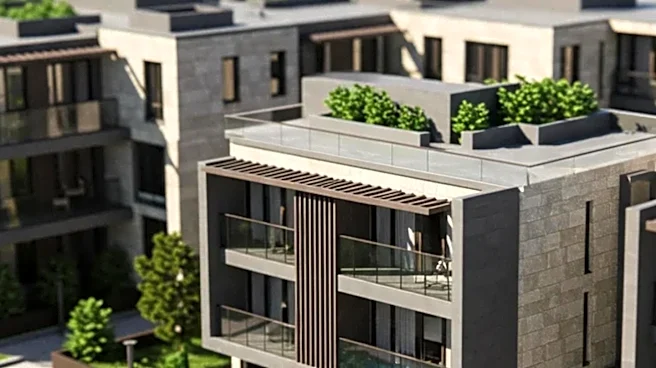
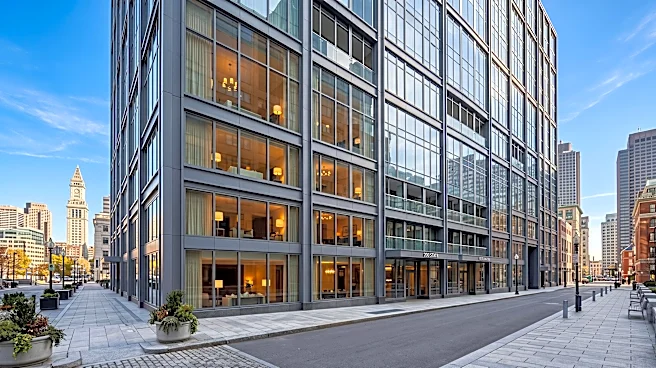
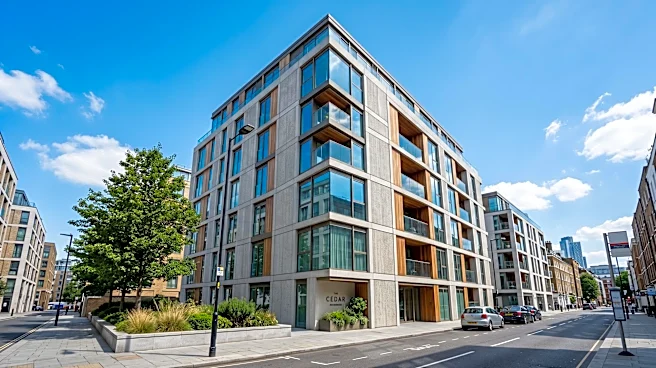
plans to convert the vacant office space into 125 high-end apartments, offering studio, one-, two-, and three-bedroom units. This conversion is part of a broader trend to transform unused office spaces into residential housing in the post-COVID era, driven by increased remote work. DIR Development will retain ownership and management of the south tower, which currently maintains an 80% occupancy rate with a mix of office, co-working, and legal service businesses. The redevelopment plan for the north tower includes amenities such as a fitness center, golf simulator, kitchen, group amenities, and garage parking. The project required additional zoning approval from Skokie’s Village Board and other permitting for features like balcony construction.
Why It's Important?
This development signifies a crucial adaptation within the U.S. real estate market, particularly in urban and suburban areas facing an oversupply of office space and a demand for housing. The conversion of commercial properties into residential units helps address housing shortages and revitalizes underutilized assets. For Skokie, this project will introduce new luxury housing options, potentially attracting new residents and contributing to the local economy. The trend of office-to-residential conversions, as highlighted by Belgravia's other similar projects in Chicago, reflects a strategic response to changing work patterns and urban living preferences. This shift can stabilize property values in commercial districts by reducing vacancies and creating more vibrant, mixed-use communities. It also presents opportunities for developers to repurpose existing infrastructure, which can be more sustainable than new construction. However, it also raises questions about the long-term balance between commercial and residential needs in evolving urban landscapes.
What's Next?
The luxury apartments in the north tower of Old Orchard Towers are anticipated to be completed by fall 2027. Future residents can expect apartment prices for a 1,000-square-foot, one-bedroom unit to be less than $3,000 per month, positioning them competitively against other new developments in the area, such as those planned for Westfield’s Old Orchard Shopping Center. While the focus is currently on the north tower, redevelopment plans for the south tower may be considered at a later date, though they are not an immediate priority. The developer has also contributed $500,000 to the village of Skokie’s inclusionary housing fund, indicating a commitment to broader community benefits. The success of this project could encourage similar conversions in other U.S. cities grappling with vacant office space and housing demand, potentially influencing future urban planning and development strategies.
Beyond the Headlines
The conversion of Old Orchard Towers into luxury apartments underscores a significant paradigm shift in urban development, moving away from traditional single-use zoning towards more integrated, mixed-use environments. This trend is not merely an economic adjustment but also reflects evolving societal values, including a preference for walkable communities and reduced commutes. The ethical implications involve ensuring that such luxury developments do not exacerbate housing affordability issues for lower-income residents, a concern partially addressed by the developer's contribution to the inclusionary housing fund. Legally, these conversions often necessitate complex zoning changes and permitting processes, highlighting the need for flexible regulatory frameworks that can adapt to new urban challenges. Culturally, the transformation of former office buildings into residential spaces can alter the character of neighborhoods, fostering a blend of work, living, and leisure activities that could redefine urban identity in the coming decades.