




What's Happening?
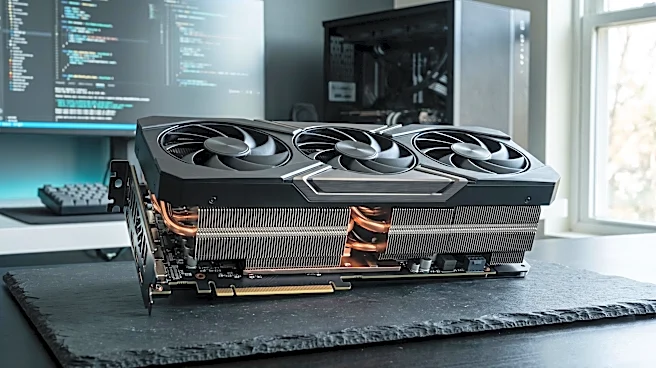
NVIDIA Corporation, founded in 1993, has evolved from a 3D graphics company for gaming and multimedia into a central player in artificial intelligence (AI) and accelerated computing. Key milestones in its 33-year history include the invention of the Graphics
Processing Unit (GPU) in 1999, the introduction of the CUDA programming model and Tesla GPU platform in 2006 for general-purpose parallel computing, and the pivotal role of GPU-accelerated neural networks like AlexNet in 2012, which NVIDIA ties to the start of modern AI. In 2018, NVIDIA introduced RTX technology for real-time ray tracing. The company also identifies its Omniverse platform as integral to building the metaverse. NVIDIA reports a vast ecosystem with over 4 million developers, more than 40,000 companies using its AI technologies, and over 1 billion GPUs shipped cumulatively.
Why It's Important?
NVIDIA's journey from a graphics chip maker to an AI infrastructure leader underscores a significant shift in the technology landscape, impacting U.S. industries, research, and economic competitiveness. The company's continuous innovation in GPU technology has been instrumental in accelerating advancements in AI, machine learning, and scientific computing, which are critical for national security, economic growth, and technological leadership. The widespread adoption of CUDA has created a powerful developer ecosystem, establishing a high barrier to entry for competitors and solidifying NVIDIA's market position. This dominance, however, also raises concerns about potential vendor lock-in and the need for diverse hardware options to foster innovation and prevent monopolies. The company's strategic bets on emerging areas like the metaverse through Omniverse indicate its continued influence on future technological paradigms, shaping how various sectors will operate and innovate.
What's Next?
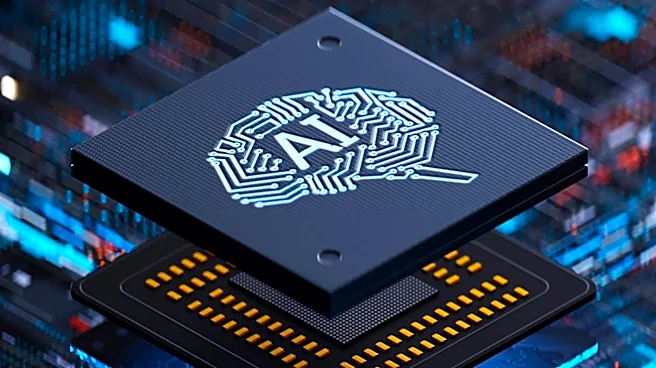
NVIDIA's future trajectory will likely involve continued expansion in its four major markets: Gaming, Enterprise Graphics, Datacenter, and Auto. The company is expected to further integrate AI capabilities across its product lines, particularly in its Datacenter business, which is currently a primary growth driver. The Omniverse platform will likely see increased development as NVIDIA pushes for its adoption in industrial simulation and digital twin applications, even as the broader metaverse concept matures. Competition from other chip manufacturers like AMD and custom accelerators developed by cloud providers will intensify, prompting NVIDIA to further leverage its software and ecosystem advantages, particularly CUDA. Governance questions and regulatory scrutiny, especially concerning its market dominance and trade exposure, will also remain key factors influencing the company's strategic decisions and market performance.
Beyond the Headlines
NVIDIA's historical evolution reveals a deeper narrative about the strategic importance of platform development over mere hardware production. The company's success is not just in creating powerful GPUs, but in building a comprehensive software ecosystem, particularly CUDA, that has cultivated millions of developers. This 'developer lock-in' creates a significant competitive moat, making it challenging for rivals to dislodge NVIDIA's position, even with comparable hardware. This dynamic highlights the critical role of software and ecosystem in the technology industry, where the ability to attract and retain developers can be more valuable than raw processing power. Furthermore, NVIDIA's consistent ability to adapt its core technology to new, high-growth markets—from gaming to AI and the metaverse—demonstrates a powerful model for sustained innovation and market leadership, offering lessons for other technology companies navigating rapid technological shifts.