




What's Happening?
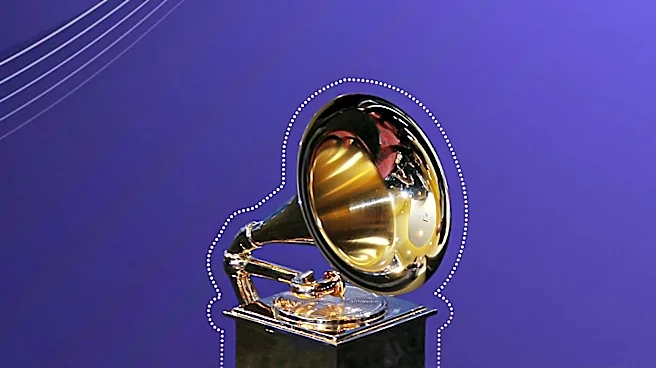
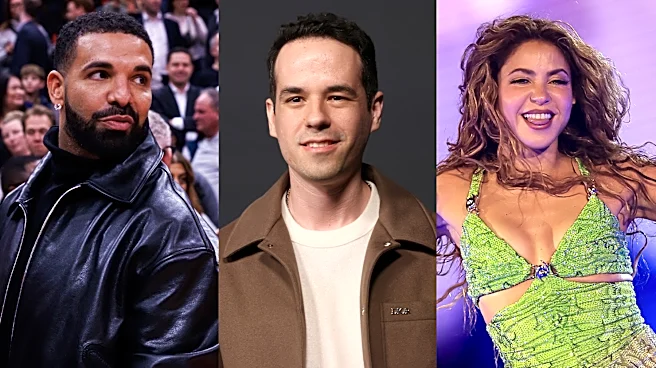
Hispanic talent is significantly influencing the music industry, as evidenced by the 2027 Grammy Awards nominations. Artists like Rosalía received multiple nominations across various categories, including Album of the Year for 'LUX' and Record and Song
of the Year for 'Berghain.' Beyond performers, Hispanic professionals are making substantial contributions in songwriting and engineering. Edgar Barrera earned his fourth consecutive nomination for Songwriter of the Year, Non-Classical, for his work with artists like Karol G and Rauw Alejandro. Manny Marroquin, a Guatemala-born mixing engineer, also received nominations for his contributions to projects like 'LUX.' A new 'Best Latin Song' category has been introduced, recognizing original compositions with lyrics predominantly in Spanish, further highlighting the importance of Hispanic creators in the industry.
Why It's Important?
The growing influence of Hispanic talent is a critical factor in the U.S. music industry's economic and creative landscape. Latin recorded music generated $542.2 million in U.S. wholesale revenue during the first half of 2026, marking an 8.6 percent year-over-year increase and representing 9.1 percent of the total market, according to the RIAA. This commercial success underscores the significant purchasing power and cultural impact of Hispanic consumers and creators. The recognition of songwriters and engineers, alongside performers, emphasizes that Hispanic influence extends beyond the spotlight, shaping the very fabric of music production. This trend not only diversifies the music industry but also creates new economic opportunities and pathways for Hispanic professionals, ensuring their contributions are acknowledged and rewarded.
What's Next?
The continued recognition of Hispanic talent at prestigious events like the Grammys is expected to further integrate Latin music and artists into mainstream U.S. culture. The new 'Best Latin Song' category will likely encourage more dedicated songwriting and production in Spanish, fostering a deeper pool of talent. This increased visibility and acknowledgment could lead to more collaborations between Hispanic and non-Hispanic artists, broadening musical horizons and audience reach. Industry leaders are likely to continue investing in Latin music, given its proven commercial viability and cultural resonance, potentially leading to more diverse content and greater representation across all facets of the music business.
Beyond the Headlines
The profound impact of Hispanic talent on the music industry extends beyond commercial success and awards. It represents a significant cultural shift, reflecting the changing demographics and tastes within the U.S. This influence challenges traditional notions of what constitutes 'popular' music, promoting linguistic and cultural diversity. The emphasis on protecting intellectual property, as highlighted by songwriter Edgar Barrera, also brings attention to the business aspects of creative work, ensuring that creators are fairly compensated for their contributions. This movement fosters a more inclusive and representative artistic landscape, where diverse voices and styles are celebrated, ultimately enriching the cultural fabric of the United States.