

What's Happening?
The 'quiet luxury' trend, previously prominent in fashion, is now significantly influencing home design. This aesthetic prioritizes timeless elegance, high-quality materials, and understated sophistication over overt opulence or brand display. According
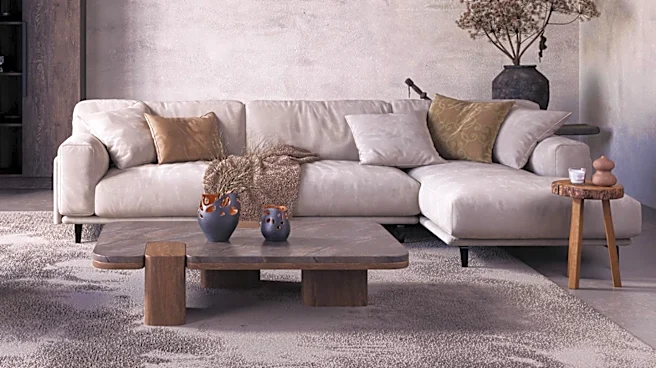
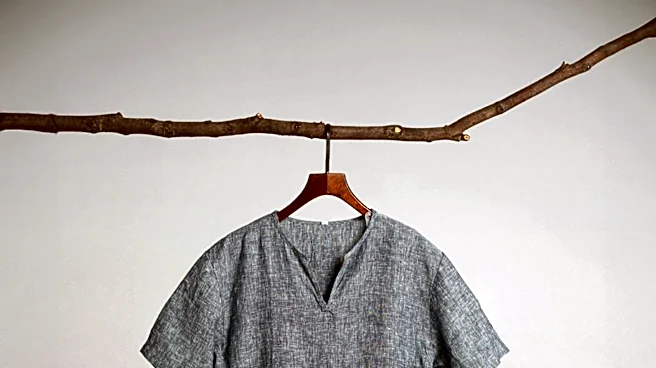
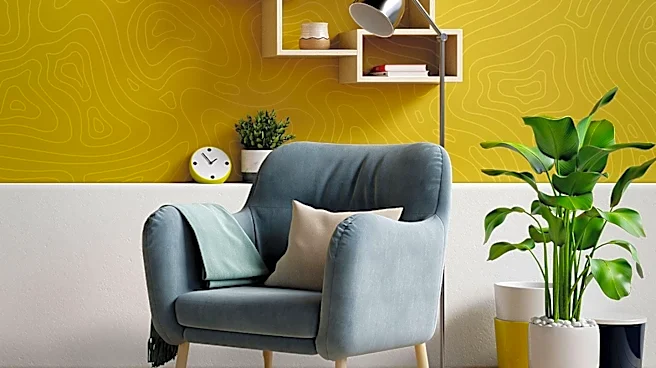
to designer Lori Shaw, it's about 'elevated basics' and a focus on refinement rather than bold or loud statements. Key elements include the use of natural materials such as wood, linen, and marble, along with neutral tones, muted hues, and layered textures like grasscloth wallcoverings. The approach advocates for fewer, high-quality pieces, intentional design choices, and thoughtful lighting to create a calm and luxurious living space. Interior designer Shanade McAllister-Fisher describes it as 'understated elegance, refined simplicity, and creating a calm atmosphere that exudes a sense of luxury with minimal effort.' The trend encourages investing in durable items that will remain staples for years, moving away from fast, trend-driven consumption.
Why It's Important?
This shift in home design reflects a broader consumer preference for longevity, sustainability, and personal expression over fleeting trends and conspicuous consumption. For U.S. industries, this means an increased demand for manufacturers and retailers offering high-quality, durable goods made from natural materials. Businesses focusing on craftsmanship, ethical sourcing, and customizable options are likely to gain. Conversely, companies relying on mass-produced, lower-quality, or highly trend-driven items may see reduced demand. The emphasis on 'buy once, keep it' challenges the fast-furniture model and encourages a more thoughtful approach to interior decorating, potentially impacting supply chains and manufacturing processes to favor more sustainable and artisanal methods. Consumers stand to gain from more enduring and personally resonant home environments, while those seeking quick, inexpensive decor updates might find it harder to align with this aesthetic without significant investment.
What's Next?
The 'quiet luxury' trend is expected to continue evolving, with a growing emphasis on individuality and personal identity within its framework. While the core principles of quality materials, classic lines, and neutral palettes will remain, future iterations may see these elements combined with more personalized touches and unexpected accessories, as noted by El Litoral. This suggests that consumers will increasingly seek ways to infuse their unique personalities into their sophisticated, understated spaces without abandoning the foundational elements of quiet luxury. Manufacturers and designers will likely respond by offering more customizable options, unique artisanal pieces, and versatile designs that allow for individual expression while maintaining a high standard of quality and timelessness. The trend's focus on longevity also implies a continued market for repair, refurbishment, and modular designs that can adapt to changing needs without full replacement.
Beyond the Headlines
Beyond its aesthetic appeal, the 'quiet luxury' trend carries significant ethical and cultural implications. It subtly critiques the culture of disposability and fast consumption, promoting a more mindful approach to acquiring goods. By valuing craftsmanship and durability, it encourages a return to appreciating the intrinsic quality of items rather than their brand visibility or fleeting trendiness. This could foster a greater appreciation for skilled labor and traditional manufacturing techniques. Culturally, it suggests a maturation of consumer taste, moving away from overt displays of wealth towards a more subtle, discerning form of luxury that is rooted in personal values and a desire for lasting quality. This shift could also influence broader societal attitudes towards consumption, encouraging more sustainable practices and a greater emphasis on the environmental and social impact of purchasing decisions.