




What's Happening?
Spanish television presenter Roberto Leal recently disclosed a behind-the-scenes 'trick' used for his 'Men's Health' magazine cover shoots. During an appearance on the program 'La Pija y la Quinqui,' Leal explained that to achieve a more defined physique
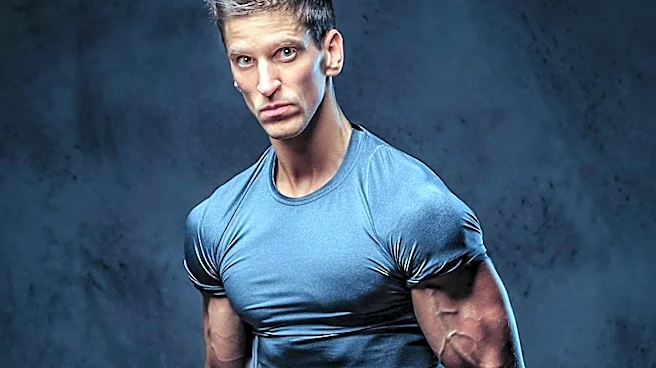
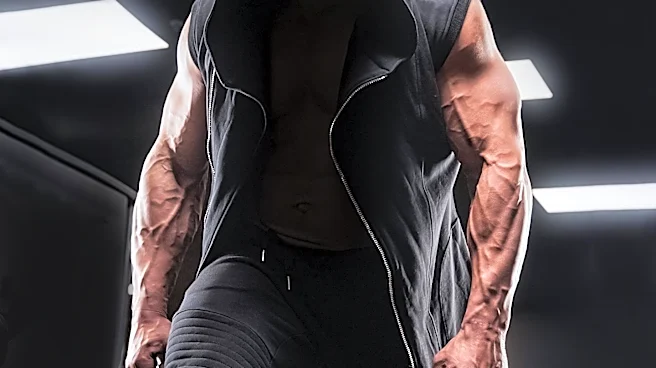
for the photographs, he would abstain from sugar for two months prior to the shoot. However, approximately half an hour before the actual photo session, he would consume a chocolate ice cream tub. This sugar intake, combined with some quick exercises like push-ups, was intended to enhance muscle definition and vascularity for the camera. Leal, who is 46, emphasized that while sugar is generally unhealthy, this method can be effective for specific, short-term photographic purposes.
Why It's Important?
This revelation offers a glimpse into the often-unseen preparations behind celebrity fitness magazine covers, highlighting that the idealized physiques presented are sometimes achieved through temporary, specific methods rather than solely long-term, consistent health practices. It underscores the pressure on public figures to maintain a certain image and the lengths to which they might go for a photoshoot. For the general public, it serves as a reminder that images in media can be carefully constructed, potentially influencing unrealistic body image expectations. The practice also touches upon the intersection of media, fitness, and public perception, where quick fixes are sometimes employed for visual impact, even if not sustainable for overall health.
What's Next?
While Leal's comments were a personal anecdote, they could spark further discussions within the fitness and media industries regarding the transparency of celebrity transformations and the ethical implications of presenting potentially misleading body images. It might also lead to increased scrutiny from consumers and health advocates about the authenticity of fitness portrayals in magazines. There could be a push for more candid disclosures from publications or celebrities about the temporary nature of some 'cover-ready' physiques. For Leal himself, this disclosure might simply add to his public persona as an honest and relatable figure.
Beyond the Headlines
The practice described by Roberto Leal touches upon the broader cultural phenomenon of body image and the pursuit of aesthetic perfection, particularly in the age of social media and visual content. It raises questions about the responsibility of media outlets and public figures in shaping societal beauty standards. The temporary manipulation of the body for visual effect, while common in various forms (e.g., makeup, lighting), becomes more pronounced when it involves dietary and physiological adjustments. This highlights the ongoing tension between aspirational imagery and the realities of sustainable health and fitness, potentially contributing to a cycle of unrealistic expectations and body dissatisfaction among audiences.