





What's Happening?
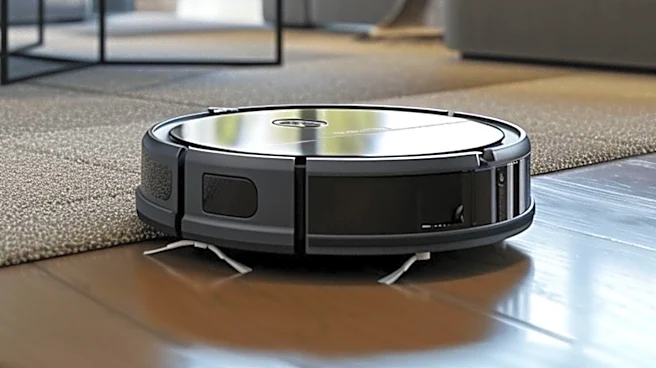
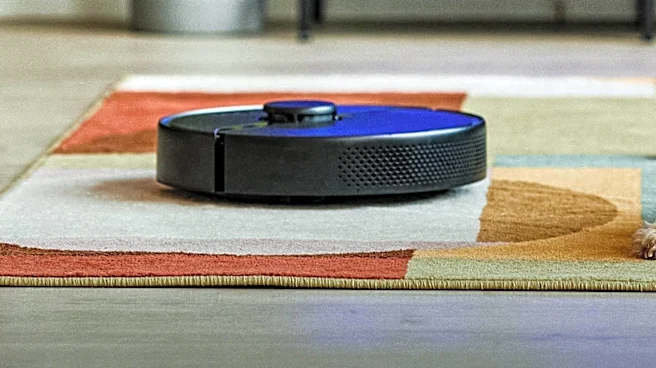
Robot vacuums provide significant convenience by automating cleaning tasks, but they are not a complete replacement for traditional vacuuming. These devices often struggle with various obstacles such as tight corners, stairs, and upholstery. Basic models
use bump sensors, causing them to repeatedly collide with barriers, while more advanced versions incorporate infrared or LiDAR sensors and AI cameras for better navigation. However, even high-end models can be hindered by loose cables, which can tangle in brushes, or lightweight rugs that can get sucked in. While some prototypes, like those from Roborock, are being developed to climb stairs, current-generation robot vacuums are primarily effective for light dirt between more thorough manual cleans. They cannot move furniture or reach into tight spots, necessitating pre-cleaning checks to remove potential obstructions like toys or pet messes.
Why It's Important?
The limitations of robot vacuums highlight a critical gap in current smart home technology, impacting consumer expectations and product development. For consumers, understanding these drawbacks is crucial before investing in a device that may not fully meet their cleaning needs, potentially leading to dissatisfaction and the continued necessity of owning multiple cleaning appliances. For manufacturers, these challenges underscore areas for innovation, particularly in developing more sophisticated navigation, obstacle avoidance, and multi-surface cleaning capabilities. The market for robot vacuums is driven by the promise of automation and convenience, but the reality often falls short, affecting adoption rates and the perceived value of these products. The ongoing development of features like self-emptying bins and advanced mapping aims to address these issues, but the fundamental inability to handle complex cleaning scenarios means that human intervention remains indispensable, influencing household routines and cleaning product sales.
What's Next?
The future of robot vacuums will likely focus on overcoming their current limitations through enhanced AI and sensor technology. Companies like Roborock are already showcasing prototypes capable of navigating stairs, indicating a trend towards more versatile and autonomous cleaning solutions. Further advancements are expected in obstacle detection and avoidance, potentially incorporating more sophisticated robotic arms or adaptive cleaning mechanisms to handle varied floor plans and unexpected items. The integration of improved mapping technologies, such as LiDAR and ReactiveAI, will continue to refine navigation and efficiency. Manufacturers will also likely concentrate on improving brush designs to better handle different surfaces, including carpets and rugs, and to prevent tangles from cables and pet hair. These developments aim to reduce the need for pre-cleaning preparation and manual intervention, moving closer to the ideal of a fully autonomous home cleaning system.
Beyond the Headlines
The evolution of robot vacuums reflects broader societal trends towards automation and the increasing integration of artificial intelligence into daily life. While seemingly mundane, the challenges faced by these devices—such as distinguishing between a sock and a critical obstacle, or navigating complex, dynamic environments—mirror fundamental problems in AI and robotics. The ongoing efforts to enhance their capabilities touch upon ethical considerations regarding data privacy, as advanced sensors and cameras collect detailed information about home interiors. Furthermore, the environmental impact of manufacturing and disposing of these increasingly complex electronic devices, along with their energy consumption, will become more significant as adoption grows. The pursuit of a 'perfect' robot vacuum also raises questions about the changing nature of domestic labor and the extent to which technology can truly liberate individuals from household chores, potentially shifting human effort from cleaning to managing and maintaining smart devices.