




What's Happening?
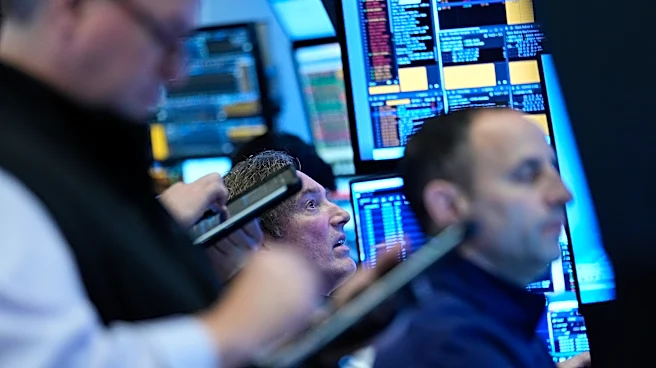
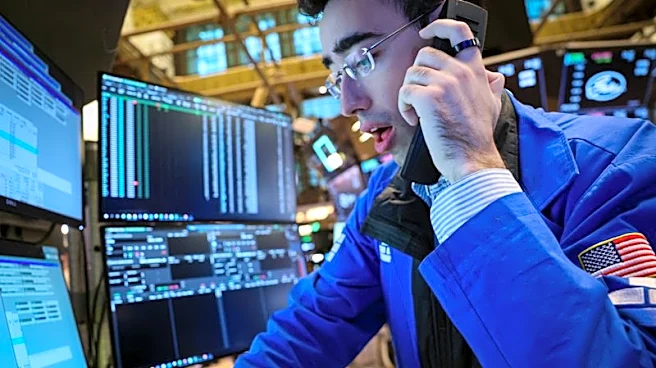
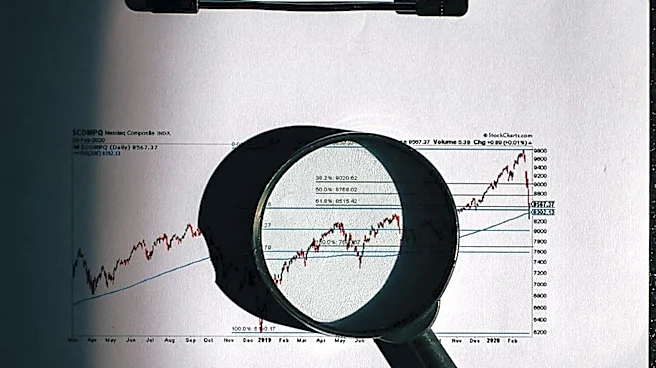
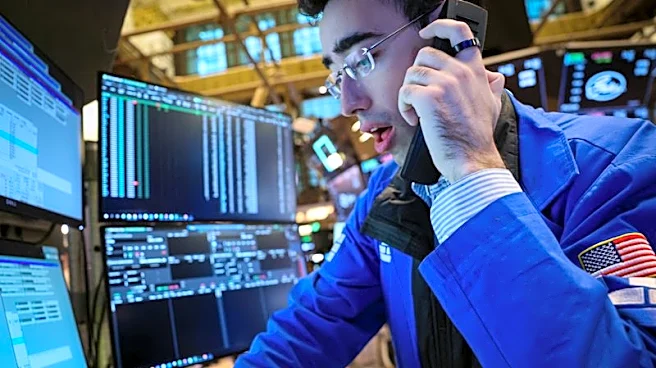
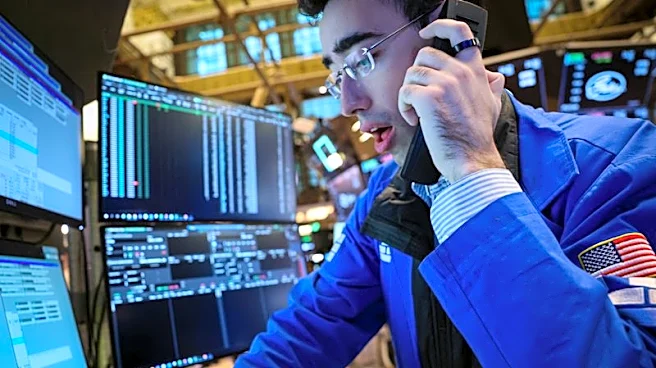
The Nasdaq Composite Index experienced a significant downturn, falling 5.3% and closing at 22,618. This marks its second-worst day of 2026 and has erased all gains for the year. Both the S&P 500 and the Dow Jones Industrial Average also declined by 3.7%
and 1.9% respectively, with both indexes entering 'correction' territory, defined as a fall of more than 10% from their recent highs. The S&P 500 is on its seventh consecutive day of losses, its longest streak since February 2020. This sell-off is largely attributed to investor concerns over the valuation of Artificial Intelligence (AI) stocks, which had previously driven much of Wall Street's gains earlier in the year. Microchip companies, including Advanced Micro Devices and Broadcom, were among the hardest hit, facing worries about a potential slowdown in data center construction and stricter federal policies on chip exports outside the U.S. Even Anthropic, an AI company that recently had a record IPO, saw its shares drop 9.3% on Friday, though it remains above its IPO price.
Why It's Important?
The current market correction, particularly in the tech-heavy Nasdaq, signals a significant shift in investor sentiment regarding the Artificial Intelligence sector. AI stocks, which were the primary drivers of market growth earlier in 2026, are now leading the decline, indicating a re-evaluation of their valuations. This downturn could impact the broader U.S. economy by potentially slowing investment in AI infrastructure and related technologies. Companies heavily invested in AI development and chip manufacturing, such as Nvidia, Advanced Micro Devices, and Broadcom, are directly affected, experiencing substantial losses. The market's anxiety is also fueled by concerns over a possible slowdown in data center construction and tighter federal regulations on chip exports, which could hinder the growth of these key tech players. While some market strategists, like Michael Antonelli of Baird, believe the overall bull market that began in October 2022 is not over, the current situation highlights the volatility and speculative nature surrounding emerging technologies like AI. The S&P 500's entry into correction territory, driven by AI-related sell-offs, suggests that while underlying U.S. economic fundamentals may remain solid, investor confidence in specific high-growth sectors can be fragile.
What's Next?
The immediate future for the stock market, particularly the tech sector, remains uncertain. Investors will be closely watching for signs of stabilization in AI stock valuations and any shifts in federal policies regarding chip exports and data center construction. The Federal Reserve's anticipated interest rate hike in December could further influence market dynamics, potentially leading to more volatility. While some experts, like Chris Larkin of E*TRADE from Morgan Stanley, suggest that most corrections do not evolve into bear markets, the current environment is testing investor patience. The performance of companies like Anthropic, which recently went public, will be a key indicator of investor appetite for new AI ventures. The market will also be looking for clarity on the future of major chip companies, especially following the recent leadership changes and reported SEC probes. The sentiment among American consumers, which has reportedly brightened, could offer some counter-balance, but the tech sector's performance will largely depend on whether investor fears about AI spending and valuations subside or intensify.
Beyond the Headlines
The current AI stock sell-off extends beyond immediate financial losses, raising deeper questions about the sustainability and realistic growth trajectories of emerging technologies. The rapid ascent of AI stocks earlier in the year, followed by this sharp correction, highlights the potential for speculative bubbles in innovative sectors. This situation could prompt a more cautious approach from investors and venture capitalists towards AI startups, potentially impacting the pace of technological development and innovation. Furthermore, the concerns about a slowdown in data center construction and tighter federal policies on chip exports underscore the geopolitical and regulatory influences on the tech industry. These factors could lead to a re-evaluation of supply chain dependencies and a greater emphasis on domestic production and regulatory compliance. The market's reaction also reflects a broader societal debate about the true economic value and ethical implications of AI, moving beyond the initial hype to a more critical assessment of its long-term impact and profitability. This period of adjustment could ultimately lead to a more mature and stable AI market, but not without significant short-term turbulence.