





What's Happening?
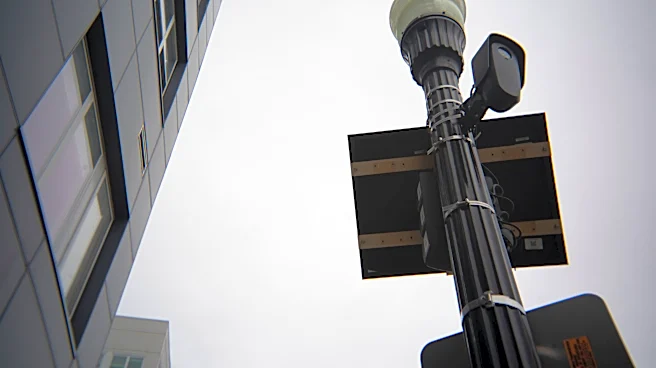
Crime fiction writers are increasingly incorporating modern surveillance technology into their narratives to maintain realism and engage readers. Authors like Samantha Downing and Mark Coggins are adapting their stories to reflect the pervasive presence
of AI-driven surveillance tools such as Flock cameras and license plate readers. These technologies, while enhancing public safety, pose challenges for writers who must now consider how such surveillance can be used both for and against their characters. The use of AI to create phony footage and the potential for surveillance to target protestors are themes explored in contemporary crime fiction. The widespread use of surveillance technology has also raised privacy concerns, with reports of misuse by law enforcement officials.
Why It's Important?
The integration of surveillance technology into crime fiction highlights broader societal concerns about privacy and the ethical use of such tools. As surveillance becomes more ubiquitous, it raises questions about the balance between security and individual privacy rights. The potential for misuse by authorities, as evidenced by reports of police officers using surveillance to stalk individuals, underscores the need for robust legal frameworks to govern the use of these technologies. For the literary world, this trend reflects a shift in storytelling that mirrors real-world technological advancements, challenging writers to stay informed and creatively address these issues in their work.