







What's Happening?
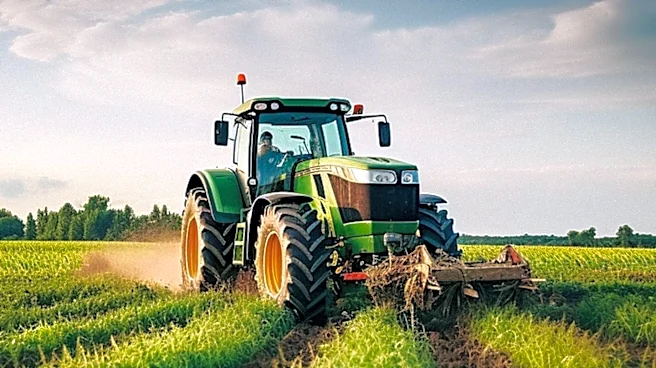
U.S. corn growers are facing significantly higher input costs compared to their Brazilian counterparts, according to a study by the National Corn Growers Association. The report highlights that U.S. corn seed prices are 68% higher, with fungicide and
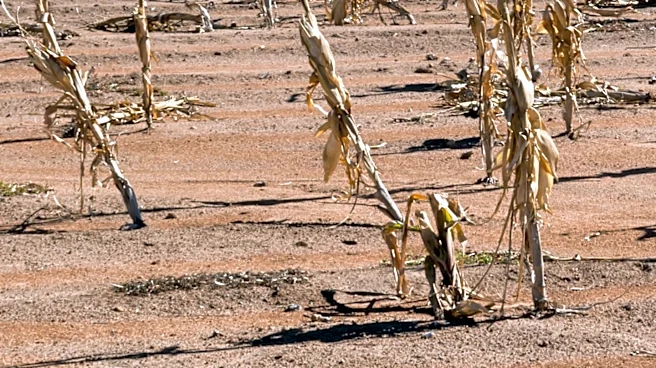
herbicide prices nearly double. Additionally, diesel price uncertainty and persistent drought conditions are impacting the agriculture sector. These factors are contributing to higher production costs and competitive disadvantages for American farmers.
Why It's Important?
The rising input costs and environmental challenges are putting pressure on the U.S. agriculture sector, affecting profitability and sustainability. Farmers are urging policymakers to address issues related to competition and access to crop protection products. The situation also highlights the need for strategic planning and investment in agricultural infrastructure to mitigate the impact of climate change and market volatility. The ongoing drought is exacerbating supply constraints, leading to record cattle prices and affecting the broader food supply chain.
What's Next?
Farmers and industry stakeholders are likely to advocate for policy reforms to improve market transparency and access to affordable inputs. The agriculture sector may also explore innovative solutions and technologies to enhance efficiency and resilience. Monitoring weather patterns and geopolitical developments will be crucial in anticipating future challenges and opportunities in the agriculture industry.