


What's Happening?
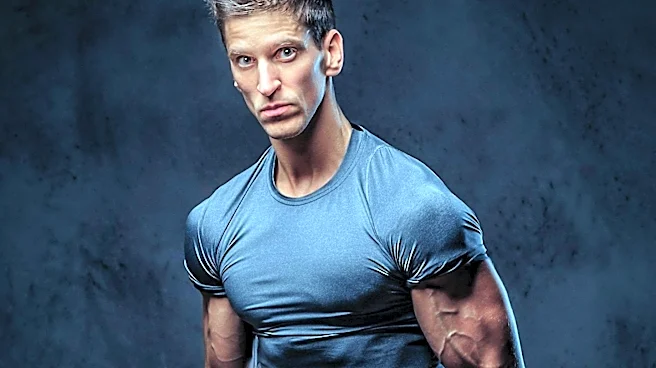
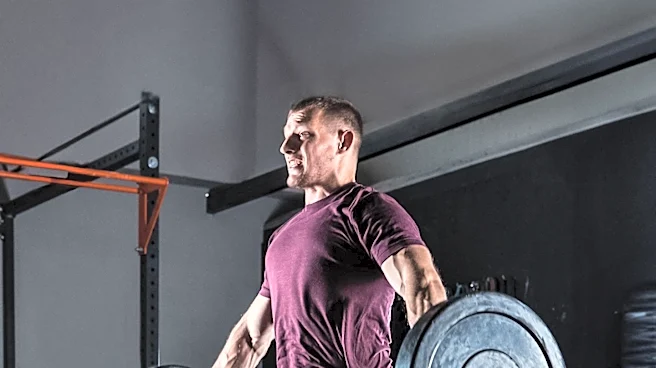
Male models are increasingly adopting comprehensive fitness routines that integrate strength training, cardiovascular exercise, flexibility workouts, and balanced nutrition to achieve and maintain their desired physiques. These routines are not solely
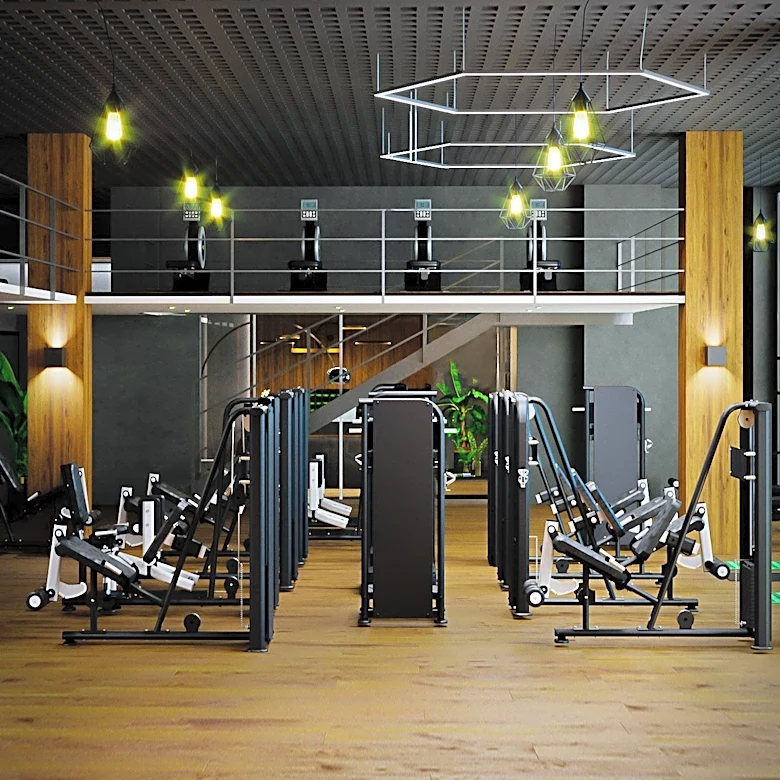
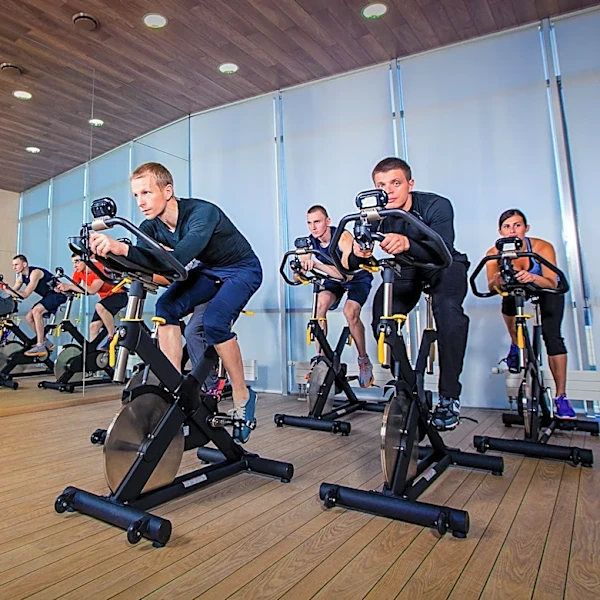
focused on aesthetics but also aim to enhance overall health, endurance, and flexibility, which are crucial for a successful modeling career. Strength training is a core component, helping to sculpt and tone muscles, boost metabolism, and improve posture. Cardiovascular exercises like running, swimming, and High-Intensity Interval Training (HIIT) are incorporated to build endurance and efficiently burn fat. Flexibility and core work, often through yoga and Pilates, are vital for improving posture, stability, and the ability to pose confidently. Nutrition plays an integral role, with models focusing on protein-rich foods for muscle recovery, healthy fats for essential nutrients, and complex carbohydrates to fuel workouts. Aspiring models are advised to set clear goals, create balanced schedules, and monitor their progress to effectively mimic professional strategies.
Why It's Important?
The emphasis on a holistic fitness approach among male models underscores a broader industry trend towards health and sustainability in professional careers that demand specific physical attributes. This shift highlights that physical appearance in modeling is increasingly linked to overall well-being and disciplined lifestyle choices, rather than just genetic predisposition. For the modeling industry, this means a more professional and resilient workforce, capable of meeting rigorous physical demands and maintaining peak condition over longer periods. For individuals aspiring to enter or succeed in male modeling, understanding and implementing such a comprehensive routine is critical for career advancement and longevity. It also sets a precedent for other appearance-focused professions, emphasizing that sustained physical condition is a product of dedicated effort across multiple health dimensions. The focus on nutrition, in particular, reflects a growing awareness of its direct impact on physical performance and aesthetic outcomes, influencing dietary trends within and beyond the modeling world.
What's Next?
The continued evolution of male model fitness routines is likely to see further integration of advanced sports science and personalized wellness strategies. As the understanding of human physiology and nutrition grows, models may increasingly utilize genetic testing, advanced dietary planning, and specialized training methodologies to optimize their physical conditioning. The industry may also see a rise in demand for fitness coaches and nutritionists who specialize in the unique requirements of models, offering tailored programs that go beyond generic fitness advice. Furthermore, the emphasis on mental relaxation through practices like yoga suggests a growing recognition of the psychological aspects of maintaining a demanding physique, potentially leading to more mental wellness support within modeling contracts. Aspiring models will need to stay abreast of these evolving practices to remain competitive, continuously adapting their routines to incorporate the latest in fitness and health science.
Beyond the Headlines
This trend in male model fitness routines reflects a deeper cultural shift towards valuing holistic health and disciplined self-care, extending beyond the superficial demands of appearance. It challenges the notion that modeling is solely about natural looks, instead highlighting the significant effort and strategic planning involved in maintaining a 'model physique.' This can have broader societal implications, potentially influencing how fitness and body image are perceived, moving towards a more performance-oriented and health-conscious ideal rather than an unattainable, purely aesthetic one. Ethically, it raises questions about the pressures placed on individuals in appearance-driven industries and the resources available to support their comprehensive well-being. The meticulous attention to diet and exercise also mirrors a growing consumer interest in personalized health and wellness, suggesting that the practices adopted by models could trickle down into mainstream fitness culture, promoting more integrated and sustainable approaches to health.