




What's Happening?
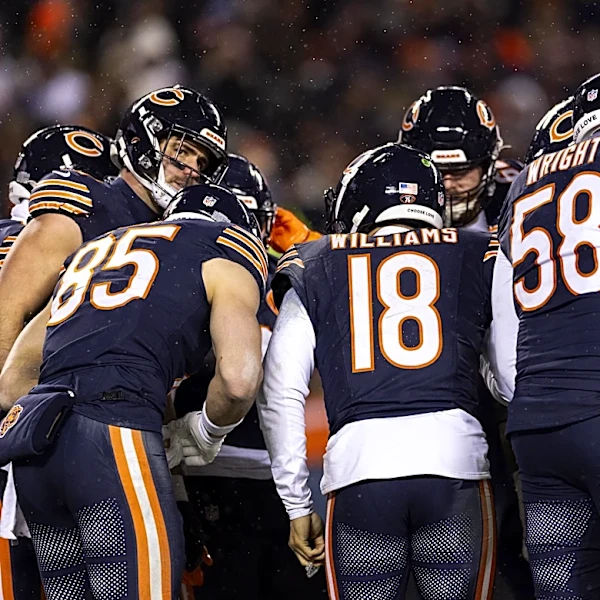
The Chicago Bears have issued a new statement indicating that while they continue to pursue stadium development plans in Hammond, Indiana, they are also actively re-engaging with Illinois leadership regarding a potential new stadium within the state.
Previously, the team had stated its 'sole focus' was on Indiana. The Bears are finalizing due diligence details for two sites in the Wolf Lake area of Hammond. Concurrently, the team acknowledges recent engagement from Illinois leadership concerning legislation that could facilitate a stadium project in Illinois. The organization emphasized its commitment to building a world-class stadium and mixed-use district for its fans and the Chicagoland community, stating a responsibility to explore all available options. This development follows reports that a legislative deal to keep the team in Illinois was nearing completion.
Why It's Important?
This shift in the Chicago Bears' public stance is significant for both Illinois and Indiana, as it reintroduces competition for a major economic development project. For Illinois, it signals a renewed opportunity to retain a prominent NFL franchise and the substantial economic benefits associated with a new stadium, including job creation and increased tourism. For Indiana, it means increased pressure to finalize its proposal and potentially offer more competitive incentives to secure the team. The construction of a new stadium and mixed-use district represents a multi-billion-dollar investment that could transform local economies, attract global events, and generate long-term revenue streams. The outcome will impact regional pride, local businesses, and the broader real estate and entertainment sectors in the Chicagoland area.
What's Next?
The Chicago Bears anticipate productive dialogue with leadership teams in both Illinois and Indiana in the coming weeks. This suggests that negotiations and legislative efforts will intensify in both states as they vie to host the team's new facility. Illinois lawmakers may accelerate efforts to pass legislation that addresses the Bears' requirements, while Indiana officials will likely work to solidify their proposals for the Hammond sites. The team's strategy appears to be leveraging interest from both states to secure the most favorable deal. Stakeholders, including local governments, business communities, and fan bases in both regions, will closely monitor these discussions, as the final decision will have lasting implications for regional development and sports entertainment.
Beyond the Headlines
The ongoing stadium saga highlights the complex interplay between professional sports franchises, state and local governments, and economic development. The Bears' approach underscores how sports teams often use competitive offers from different jurisdictions to maximize their benefits, raising questions about public funding for private enterprises. This situation could set a precedent for future negotiations between sports teams and host cities, influencing how public resources are allocated for stadium projects. It also reflects broader trends in urban development, where sports venues are increasingly envisioned as anchors for larger mixed-use districts designed to revitalize areas and generate sustained economic activity beyond game days. The ethical considerations of using taxpayer money for such projects will likely remain a point of public debate.