






What's Happening?
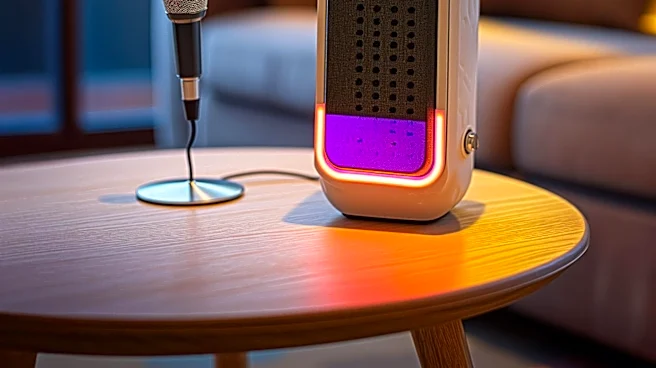
OXMAINT AI has developed a voice-controlled maintenance software designed for the hospitality industry, aiming to improve efficiency for hotel engineering teams. This system allows engineers to manage work orders by speaking commands, eliminating the need
for typing, which is particularly beneficial when hands are occupied or gloved. The software converts speech into structured job details, including room, asset, fault, and priority, requiring engineer confirmation before saving. The company emphasizes the importance of testing the software in various hotel environments, such as noisy plant rooms, quiet guest corridors, and kitchens, to ensure accuracy and reliability across different operational conditions. The guide provided by OXMAINT AI outlines eight criteria for evaluating such systems, a five-step process from spoken words to saved records, and a 14-day pilot program for hotels to assess the technology's effectiveness.
Why It's Important?
This development is significant for the U.S. hospitality sector as it addresses a long-standing challenge in maintenance operations: the need for hands-free, efficient work order management. By enabling engineers to log faults, assign tasks, and close jobs using voice commands, hotels can potentially reduce response times and improve the overall guest experience. The ability to operate without constant typing on small screens or removing gloves can lead to increased productivity and job satisfaction among maintenance staff. Furthermore, the emphasis on testing in real-world, noisy environments highlights a practical approach to technology adoption, ensuring that the solution is robust and truly beneficial in diverse hotel settings. This could set a new standard for maintenance software in hotels, influencing how other industries with similar operational constraints approach their maintenance workflows.
What's Next?
Hotels are encouraged to conduct pilot tests of voice-controlled CMMS (Computerized Maintenance Management System) solutions like OXMAINT AI's in their own facilities. The guide suggests a 14-day pilot period to set up the system, use it for real-world tasks, and then decide on its suitability. Key steps include loading room and asset data, adding local names, and providing engineers with phones or headsets for testing. During the pilot, hotels will track mistakes, compare efficiency against old methods, and gather feedback from engineers. This rigorous testing phase will determine the widespread adoption of such systems in the U.S. hotel industry, potentially leading to more integrated and voice-enabled operational tools across various hotel functions.
Beyond the Headlines
The introduction of voice-controlled maintenance software in hotels touches upon broader implications regarding the future of work and human-computer interaction in physically demanding environments. Beyond mere efficiency, this technology could enhance workplace safety by allowing engineers to keep their hands free for tasks that require full attention. It also raises questions about data privacy, especially concerning voice recordings that might contain guest details, necessitating clear policies on data handling and storage. The success of such systems could pave the way for similar voice-activated tools in other industries where manual data entry is cumbersome or impractical, pushing the boundaries of how technology integrates into daily operational tasks and potentially reshaping job roles to be more focused on hands-on work rather than administrative duties.