








What's Happening?
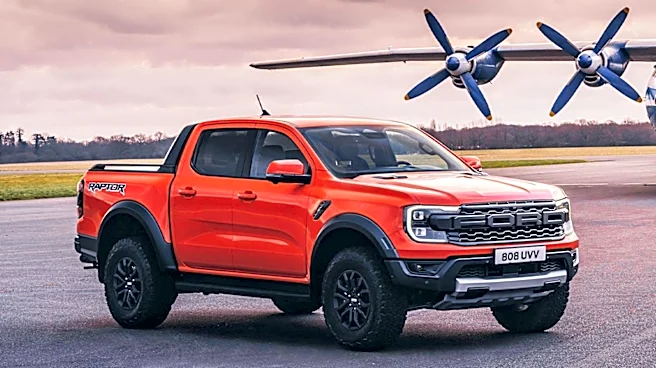
Ford Motor Company, General Dynamics Land Systems, and Ricardo have formed a consortium to compete for the UK Ministry of Defence’s Light Mobility Vehicle (LMV) program. Their proposal centers on a military-adapted version of the Ford Ranger pickup truck,
aiming to replace the British Army's aging Land Rover and Pinzgauer fleets. Under this partnership, General Dynamics Land Systems will serve as the prime contractor for military integration, Ford will supply the commercial vehicle platform, and Ricardo will manage engineering modifications. Engines for these vehicles will be produced at Ford's Dagenham plant in England, with conversion work taking place in South Wales. This collaboration leverages the commercial vehicle's cost-effectiveness, production scale, and established supply-chain resilience, combining it with specialized military capabilities. Ford Europe President Jim Baumbick emphasized that this bid reinforces the regional mobility supply chain and provides NATO allies with a flexible, commercial platform.
Why It's Important?
This consortium's bid is significant for several reasons, particularly for the U.S. defense industry and its allies. It represents a growing trend of commercial automakers seeking new revenue streams in the defense sector, potentially fostering innovation and cost efficiencies by adapting existing commercial platforms for military use. For the U.S., General Dynamics Land Systems' role as prime contractor highlights American defense industry involvement in allied military modernization efforts, strengthening transatlantic defense cooperation. The use of a Ford Ranger-based platform, with engines produced in the UK, also underscores the integration of international supply chains in defense procurement. This approach could lead to more rapid deployment of new military vehicles and potentially lower acquisition and maintenance costs for the British Army, which could serve as a model for other NATO members. The competition for this contract, which includes rival bids from General Motors, indicates a broader strategic interest among U.S. automotive giants in the global defense market.
What's Next?
London is anticipated to award the LMV contract next year, with initial vehicle deliveries valued at approximately 750 million pounds ($1 billion). The consortium will continue to refine its proposal, emphasizing the combination of military capability with the cost-effectiveness and supply-chain resilience of a commercial vehicle. The outcome of this competition will not only determine the future of the British Army's light mobility fleet but also set a precedent for how other NATO allies might approach similar modernization programs. Success in this bid could open doors for Ford and General Dynamics to secure similar contracts with other international defense forces. The partnership also aims to sustain skilled employment and domestic engineering expertise in the UK, aligning with broader industrial policy goals. The ongoing competition with other major players like General Motors suggests that the defense market for commercially derived military vehicles is becoming increasingly competitive and innovative.
Beyond the Headlines
The collaboration between Ford, General Dynamics, and Ricardo for the UK's LMV program reflects a deeper strategic shift in defense procurement towards leveraging commercial off-the-shelf (COTS) solutions. This approach challenges traditional defense acquisition models, which often involve lengthy and expensive bespoke development cycles. By utilizing a platform like the Ford Ranger, the consortium aims to reduce development costs and lead times, while also ensuring a robust and globally supported supply chain. This move could have long-term implications for the defense industrial base, encouraging greater integration between commercial and military manufacturing sectors. Furthermore, the emphasis on supply chain resilience, particularly in light of recent global disruptions, highlights a critical lesson learned from geopolitical events. The success of such partnerships could redefine how military forces acquire and maintain their equipment, promoting agility and cost-effectiveness in an evolving global security landscape.