







What's Happening?
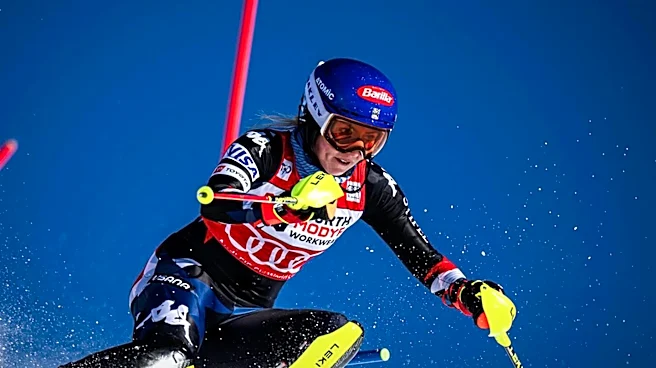
Alpine ski racing is recognized as one of the most financially demanding youth sports for parents in the U.S. The sport combines several significant expenses, including specialized race-specific equipment that requires frequent replacement as children
grow and advance in categories. Unlike recreational skis, racing skis for slalom and giant slalom are built to specific lengths and stiffnesses, often needing to be replaced due to age-group rules or growth. Boots are also highly specialized, stiffer than rental options, and often custom-fitted by a bootfitter, requiring refitting as feet grow. Furthermore, participation necessitates paid access to ski mountains and often involves winter weekends spent away from home, incurring travel and lodging costs. Families must fund both the gear and the terrain access, with regular tuning and waxing of ski edges and bases adding to ongoing maintenance expenses. These factors contribute to a substantial financial burden for families involved in competitive alpine ski racing.
Why It's Important?
The high cost associated with alpine ski racing has significant implications for accessibility and participation in youth sports across the U.S. The financial barrier can limit involvement to higher-income households, potentially excluding talented young athletes from less affluent backgrounds. This creates an uneven playing field in competitive sports, where financial capacity, rather than solely athletic ability, can dictate participation and progression. The need for specialized, frequently replaced equipment, coupled with expensive facility access and travel, means that families must commit substantial resources. This trend is part of a broader issue in youth sports where the gap between recreational leagues and competitive travel programs is measured in thousands of dollars annually, reshaping household budgets and influencing which sports are viable options for many families. The economic demands of sports like alpine ski racing highlight disparities in opportunities for youth development and athletic pursuit.
What's Next?
The ongoing trend of increasing costs in youth sports, particularly in specialized areas like alpine ski racing, suggests that financial considerations will continue to be a major factor for families. Without interventions, participation in such sports may become even more exclusive. Potential next steps could involve discussions within sports organizations and communities about ways to mitigate these costs, such as developing more affordable equipment programs, offering subsidies for mountain access, or creating local competitive structures that reduce travel demands. Additionally, colleges and athletic programs might need to consider the financial backgrounds of potential recruits, as the current system could inadvertently favor those from wealthier families. The conversation around equitable access to youth sports is likely to intensify, prompting stakeholders to explore solutions that broaden participation beyond economic status.
Beyond the Headlines
The escalating costs in youth sports, exemplified by alpine ski racing, point to deeper societal implications beyond immediate financial burdens. This trend can exacerbate socio-economic divides, creating a two-tiered system where elite athletic development is largely accessible only to those with significant disposable income. This not only limits the talent pool but also reinforces existing inequalities, potentially impacting future professional sports landscapes and national athletic representation. Ethically, it raises questions about fairness and opportunity in youth development. Culturally, it shifts the focus of youth sports from broad participation and personal growth to an increasingly professionalized, high-stakes environment driven by financial investment. The long-term consequence could be a less diverse and less representative athletic community, where the joy and developmental benefits of sports are overshadowed by economic pressures and the pursuit of competitive advantage through spending.