


What's Happening?
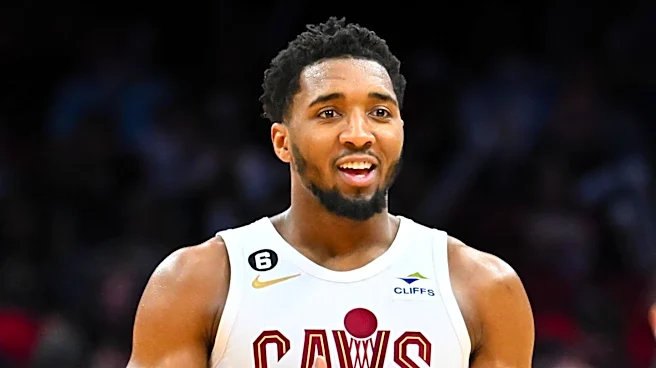
Donovan Mitchell, a prominent player for the Cleveland Cavaliers, has highlighted the unpredictable defensive tactics employed by opposing NBA teams as a significant factor contributing to the Cavaliers' struggles in maintaining leads. Following a recent
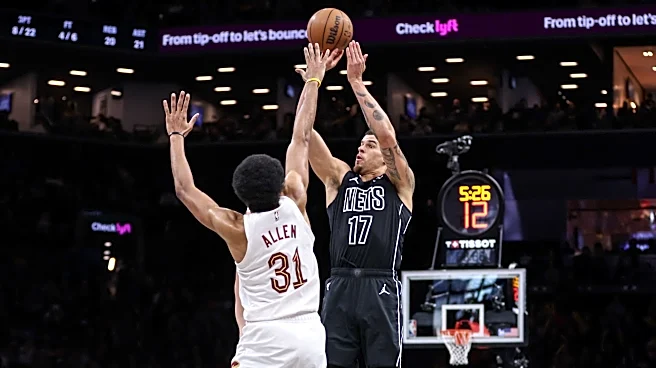
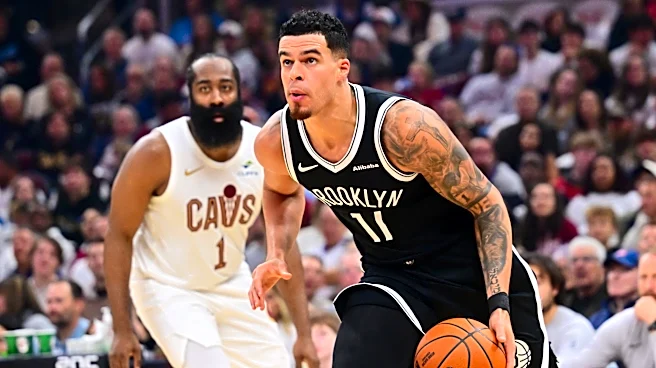
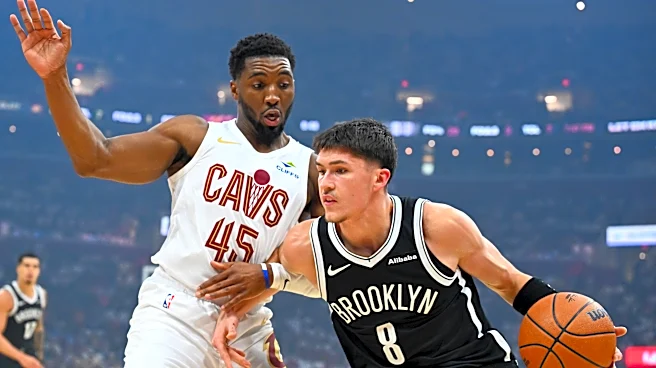
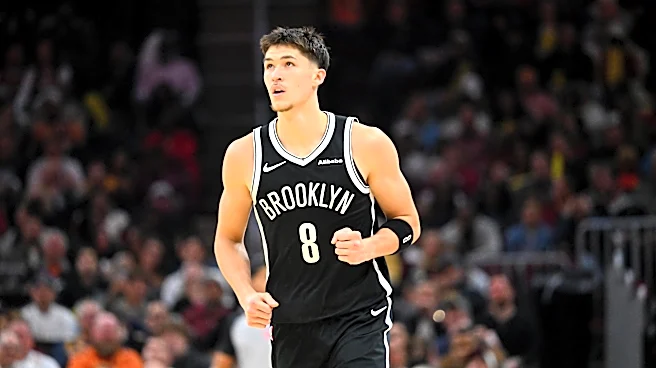
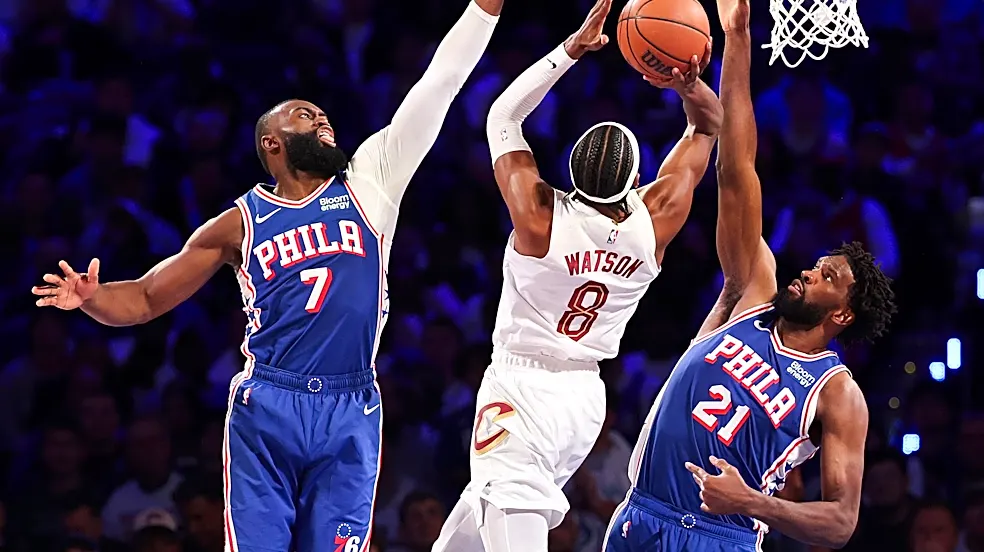
victory against the Brooklyn Nets, Mitchell described how defenses are applying full-court pressure and unexpected traps on ball-handlers, likening this unstructured approach to 'AAU basketball.' He noted that this trend, which he believes gained traction after the Indiana Pacers successfully implemented similar strategies two years prior, creates chaos and lacks a clear, predictable scheme. This observation came after the Cavaliers nearly squandered a substantial lead against the Nets, winning 125-121 after being up 104-82 with just over nine minutes remaining. Mitchell's comments underscore the challenge Cleveland faces in adapting to these fluid defensive schemes.
Why It's Important?
This development is important for the Cleveland Cavaliers as it points to a tactical challenge that could impact their performance and standing in the NBA. If opposing teams continue to employ these unpredictable defensive strategies effectively, the Cavaliers will need to adapt their offensive schemes to counter the pressure. Failure to do so could lead to more turnovers, squandered leads, and ultimately, a less successful season. For the broader NBA, Mitchell's comments suggest a potential shift in defensive trends, where teams prioritize disruption and chaos over traditional, structured schemes. This could influence coaching strategies across the league, with more teams adopting similar 'random' defensive approaches. Players like Mitchell, who are primary ball-handlers, will need to develop new ways to navigate these defenses, potentially leading to an evolution in offensive playmaking and ball security. The ability of teams to effectively counter these tactics could become a significant differentiator in future seasons.
What's Next?
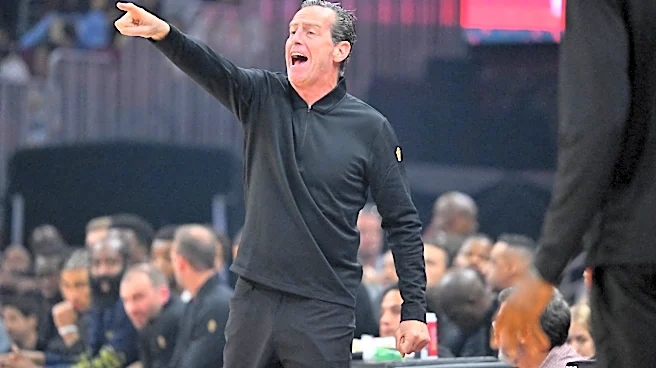
The Cleveland Cavaliers' coaching staff will likely focus on developing strategies to counter the unpredictable defensive pressure identified by Donovan Mitchell. This could involve emphasizing ball security, improving player movement to create shorter passing lanes, and training players to quickly identify and exploit mismatches or open spaces created by double-teams. Coach Atkinson has already stressed the need to 'clean up the turnovers,' indicating that addressing this issue is a priority. The team will need to demonstrate progress in these areas in upcoming games, particularly when facing opponents who employ similar chaotic defensive tactics. The effectiveness of their adjustments will be visible in how well they manage possessions under pressure and convert extra defensive attention on their star players into offensive advantages elsewhere on the court. This ongoing adaptation will be crucial for the Cavaliers' success throughout the season.
Beyond the Headlines
Beyond the immediate tactical adjustments, Mitchell's observations hint at a broader evolution in NBA defensive philosophy. The shift towards 'random' and 'chaos-inducing' defenses, as described, suggests a move away from rigid, predictable schemes. This could have long-term implications for player development, emphasizing adaptability, quick decision-making, and off-ball movement. For offensive players, it means a greater need for improvisation and the ability to read and react to fluid defensive rotations. For coaches, it presents a challenge in preparing their teams for an opponent whose defensive actions are less structured and more reactive. This trend could also influence scouting and game planning, requiring teams to focus more on individual defensive tendencies and less on established team schemes. Ultimately, this evolution could lead to a more dynamic and less predictable style of play in the NBA, potentially increasing the entertainment value for fans while demanding a higher level of basketball IQ from players.