

What's Happening?
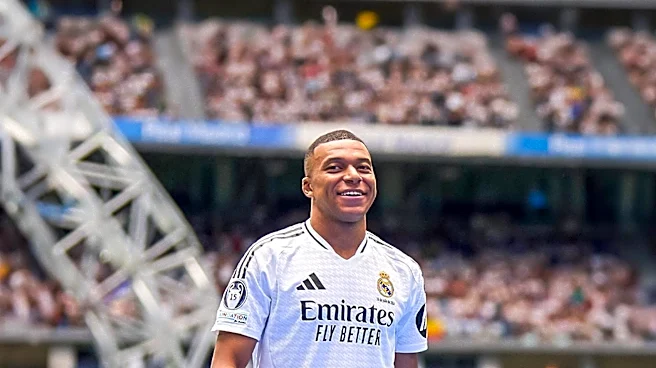
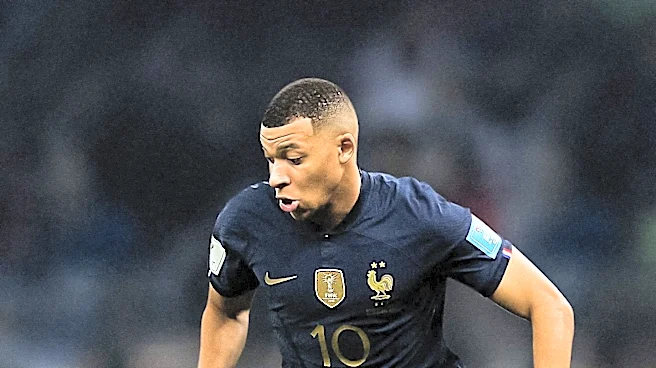
Kylian Mbappé has been recognized by his fellow professional footballers as the leading forward for the 2026 FIFPRO World 11. In a vote involving 19,806 players from 73 countries, Mbappé secured 46% of the votes in his position. This placed him significantly
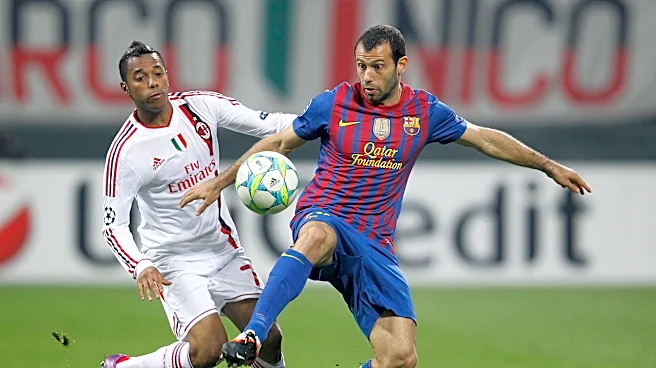
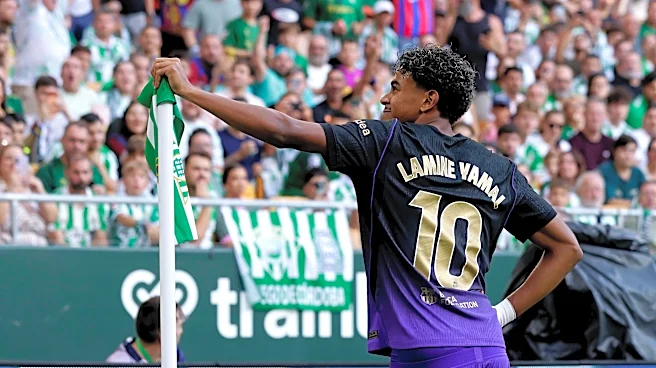
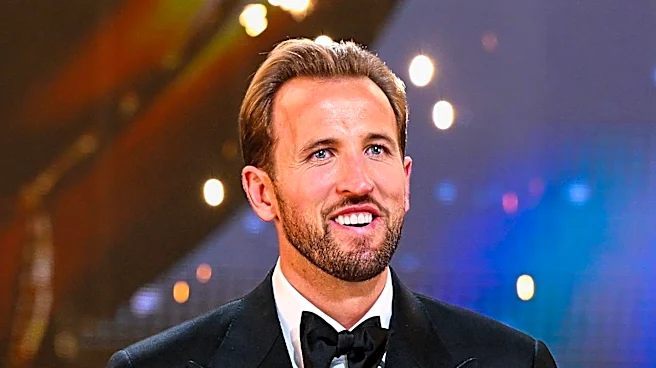
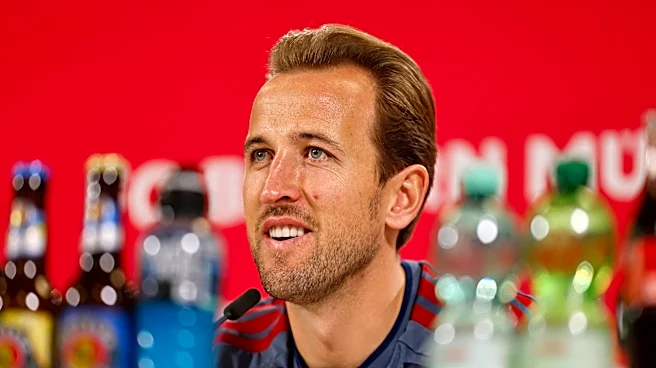
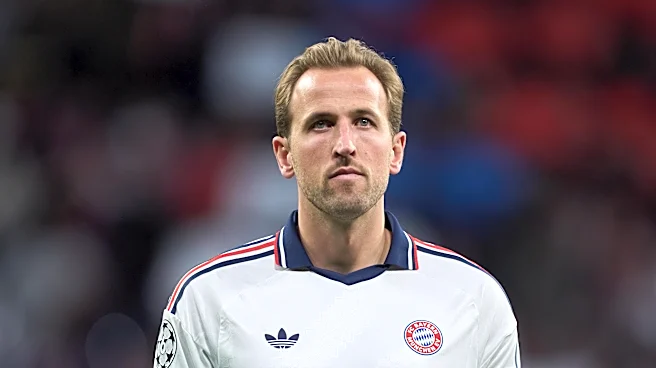
ahead of Harry Kane, who received 27.6% of the votes and consequently missed out on the team of the year. Other notable forwards in the voting included Lamine Yamal (37.4%), Lionel Messi (29.5%), and Erling Haaland (28.4%). Despite Kane recently winning the Ballon d'Or, professional players' opinions diverged from journalists', with Mbappé emerging as the preferred choice among his peers. This strong endorsement highlights Mbappé's continued status as one of football's premier talents, even as he pursues major club titles like LaLiga and the Champions League with Real Madrid.
Why It's Important?
This recognition from professional footballers underscores a significant divergence in opinion between players and sports journalists regarding top individual accolades in football. While the Ballon d'Or, often influenced by media perspectives, crowned Harry Kane, the FIFPRO World 11 vote reflects the direct assessment of those who compete on the field. This player-centric validation can carry substantial weight within the football community, potentially influencing player morale, transfer market perceptions, and sponsorship deals. For Mbappé, it reinforces his standing as a globally respected figure among his contemporaries, which could further solidify his influence within Real Madrid and the French national team. Conversely, for Kane, despite his Ballon d'Or win, the FIFPRO vote might suggest a different perception of his on-field impact among his peers, potentially sparking debate about the criteria and value of various football awards.
What's Next?
The outcome of the FIFPRO World 11 vote could fuel further discussions within the football world regarding the criteria for individual awards and the differing perspectives of players versus journalists. For Kylian Mbappé, this strong peer endorsement is likely to boost his confidence as he continues his career at Real Madrid, potentially motivating him further in his pursuit of major club titles. His performance in upcoming LaLiga and Champions League campaigns will be closely watched to see if he can translate this peer recognition into team success. For Harry Kane, while the Ballon d'Or remains a prestigious individual honor, the FIFPRO results might prompt reflection on how his game is perceived by fellow professionals. The debate over who is truly the 'best' player will undoubtedly continue, with these differing award outcomes adding layers to the ongoing narrative.
Beyond the Headlines
The disparity between the Ballon d'Or and FIFPRO World 11 results highlights a deeper philosophical question about what constitutes 'best' in professional sports: is it media narrative and statistical output, or the direct, lived experience and respect of fellow competitors? This divergence could reflect different values placed on various aspects of a player's contribution—journalists might prioritize goal tallies and high-profile moments, while players might value tactical intelligence, consistent performance, and overall impact on the game. Such discrepancies can also influence how young athletes perceive success and what they strive for, potentially shifting focus from media accolades to peer respect. This situation also subtly questions the authority of traditional media in defining sporting greatness, suggesting that the collective voice of the players themselves holds significant, perhaps even more authentic, weight.