


What's Happening?
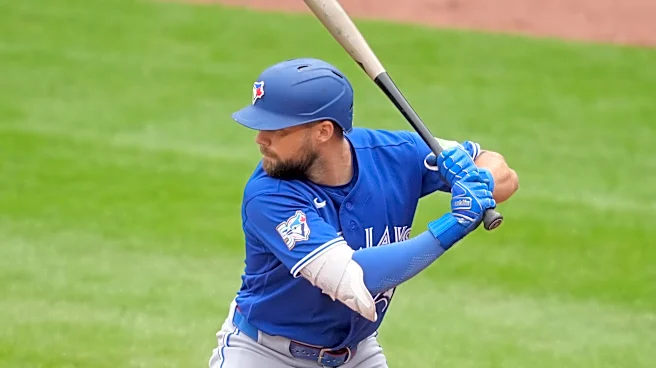
The Toronto Blue Jays have released first baseman Peyton Williams, a surprising move given his rapid ascent through their minor league system in 2026. Williams climbed from Single-A to Triple-A within the season, a trajectory that typically indicates
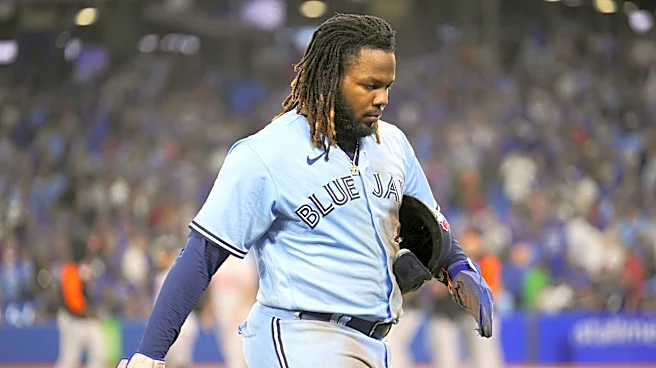
an organization's belief in a player's potential. Despite this, the Blue Jays did not provide specific details regarding the decision to release him, making him a free agent. This release is part of a broader series of minor league cuts by the organization. The primary reason for Williams' release appears to be the long-term contract of star first baseman Vladimir Guerrero Jr., who is signed with the Blue Jays through 2039. This contract effectively blocks any clear path for other first basemen, like Williams or even Sean Keys, to secure everyday at-bats in Toronto. The team's designated hitter (DH) spot is also crowded, further limiting opportunities for developing hitters.
Why It's Important?
This decision highlights the significant impact of long-term, high-value contracts on player development and roster management in professional sports. For the Blue Jays, Guerrero Jr.'s contract, while securing a star player, creates a bottleneck for promising prospects at the same position. This can lead to the loss of valuable talent, as seen with Williams, who might thrive elsewhere. For Williams, this release, while unexpected, could be an opportunity to find a team where he has a clearer path to the major leagues. Other MLB franchises in need of first base depth or a power-hitting left-handed bat may now view Williams as an attractive free-agent option. The situation also underscores the challenges faced by teams in balancing immediate competitive needs with the nurturing of future talent, especially when key positions are locked down by established stars.
What's Next?
Peyton Williams is now a free agent and is expected to draw interest from other MLB teams, particularly those seeking first base depth or a promising young hitter. His recent performance, including reaching Triple-A in 2026, makes him an intriguing prospect for organizations looking to bolster their minor league systems or find a potential future contributor. For the Blue Jays, the focus will remain on Vladimir Guerrero Jr.'s performance, especially after a career-low season in 2026, which included undergoing laser eye surgery. The team will need Guerrero Jr. to rebound significantly if they aim to be competitive in 2027. The Blue Jays' strategy of clearing minor league roster spots suggests they are preparing for further offseason moves, potentially involving free agents or trades, to address other team needs.
Beyond the Headlines
The release of Peyton Williams, despite his promising minor league season, illustrates a common dilemma in professional baseball: the 'blocked prospect' phenomenon. When a team has a cornerstone player at a specific position, especially one with a long-term contract, it can inadvertently stifle the development and progression of other talented players in the same role. This can lead to difficult decisions where organizations release prospects who might otherwise have a future with the team, simply due to a lack of opportunity. Such situations can also impact team morale among minor league players who see their path to the majors obstructed. From a broader perspective, it highlights the economic realities of MLB, where significant financial commitments to star players can dictate roster construction and player movement throughout the entire organization, from the major league club down to the lowest minor league affiliates.