


What's Happening?
The Vuelta a España has announced a significant change to the route of its penultimate stage, Stage 20, due to landslides that have rendered the original path unsafe. The planned ascent of Alto de Hazallanas, a Category 1 climb, was set to feature twice
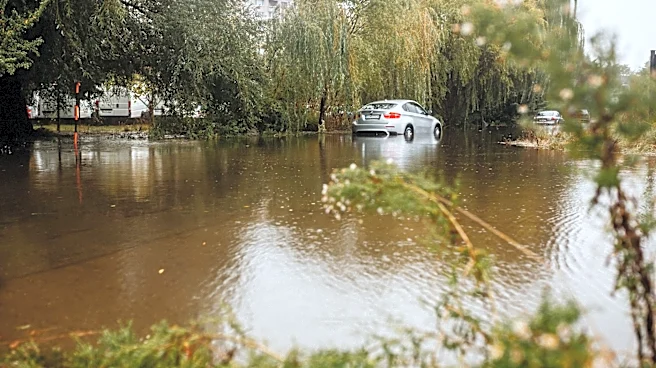
in this crucial stage. However, severe weather in February caused damage to the access road, making it unsuitable for the race. In response, organizers have replaced it with the Puerto de El Duque climb, marking its first appearance in the Vuelta. This adjustment aims to maintain the stage's challenging nature, as the new route will still join the final section used by Hazallanas before heading to the finish at Collado del Alguacil.
Why It's Important?
This route change is significant as it affects the final mountain showdown of the 2026 Vuelta a España, a critical stage for contenders aiming for the overall victory. The alteration could impact race strategies, as teams and riders must adapt to the new climb, which may favor different strengths compared to the original route. The decision underscores the challenges race organizers face in ensuring safety while preserving the competitive integrity of the event. The change also highlights the broader issue of how extreme weather events can disrupt major sporting events, prompting considerations for future planning and infrastructure resilience.
What's Next?
Riders and teams will need to quickly adjust their strategies to tackle the new climb, Puerto de El Duque. This may involve reassessing team roles, energy conservation tactics, and timing for attacks. The change could also influence the overall standings, as the new climb may suit different riders than the original ascent. Organizers will continue to monitor weather conditions and road safety to ensure the remaining stages proceed without further disruptions. Fans and analysts will be keenly observing how these changes affect the race dynamics and the final outcomes.