




What's Happening?
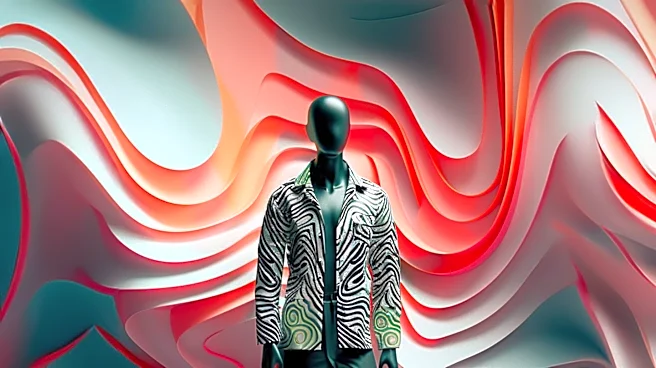
The Photogenics Avatar Division, an initiative by Photogenics Media, is transforming the fashion and modeling industries by integrating advanced digital avatars. This division focuses on creating virtual models that can embody diverse styles, personas,
and looks, offering brands innovative marketing opportunities. These digital models are hyper-realistic virtual avatars developed using 3D technology, capable of reflecting various body types, ethnicities, and styles, which appeals to brands seeking inclusivity. The technology behind these avatars includes 3D rendering for lifelike images, motion capture for realistic animation, and artificial intelligence to simulate fashion trends and consumer preferences. This approach significantly reduces costs associated with traditional modeling, such as travel and logistics, and provides 24/7 availability for content creation. The division aims to enhance branding and consumer engagement in an increasingly digital world, providing a flexible and cost-effective alternative to traditional photoshohoots.
Why It's Important?
The rise of digital avatars in fashion signifies a major shift in marketing strategies and industry practices. For brands, this technology offers substantial cost savings by eliminating expenses related to location scouting, travel, and wardrobe management. It also allows for greater creative flexibility, as avatars can be customized to align with specific brand identities and used in innovative campaigns through augmented and virtual reality. This move towards digital models also addresses growing consumer demands for sustainability, as virtual photoshoots reduce textile waste and transportation emissions. By offering diverse representation, digital avatars enable brands to reach a wider audience and promote inclusivity, aligning with modern societal values. This disruption challenges traditional modeling paradigms and opens new avenues for talent in the digital realm, merging the roles of content creators and models.
What's Next?
The fashion industry is expected to further integrate digital avatars into its core operations, leading to more sophisticated and immersive consumer experiences. Brands will likely continue to invest in advanced 3D technology and AI to enhance the realism and versatility of their virtual models. The expansion of digital platforms and social media will drive the demand for these avatars, making them crucial for engaging consumers in unique ways. We may see increased collaboration between digital and traditional models, creating hybrid campaigns that leverage the strengths of both. The development of avatar influencer agencies will also play a significant role in guiding brands through this new landscape, providing creative strategies tailored to digital engagement. This trend is set to reshape e-commerce, with personalized experiences and virtual communities built around digital models becoming more prevalent.
Beyond the Headlines
The adoption of digital avatars in fashion extends beyond mere technological advancement; it touches upon deeper ethical and cultural implications. The ability to create infinitely customizable models raises questions about authenticity, representation, and the potential impact on human models' careers. While digital models offer inclusivity, there's a debate about whether they truly represent diversity or merely create an idealized, artificial version of it. Legally, issues surrounding intellectual property rights for digital creations and the ethical use of AI in simulating human characteristics will become more prominent. Culturally, the increasing interaction with virtual influencers could alter consumer perceptions of beauty, reality, and human connection. This shift could lead to a long-term redefinition of what it means to be a 'model' and how fashion communicates its narratives in an increasingly virtual world.