
What's Happening?
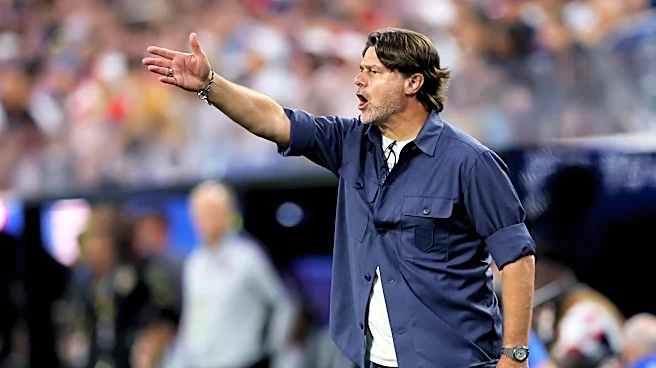
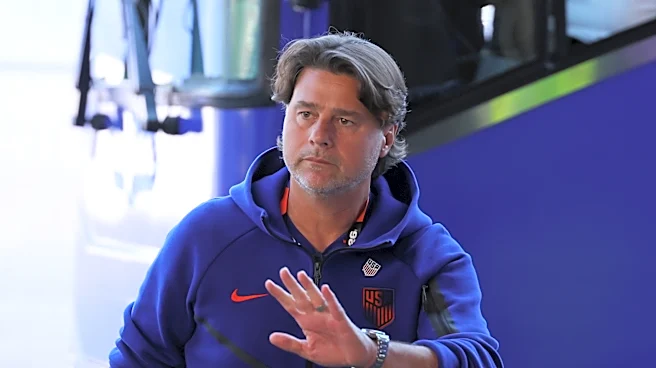
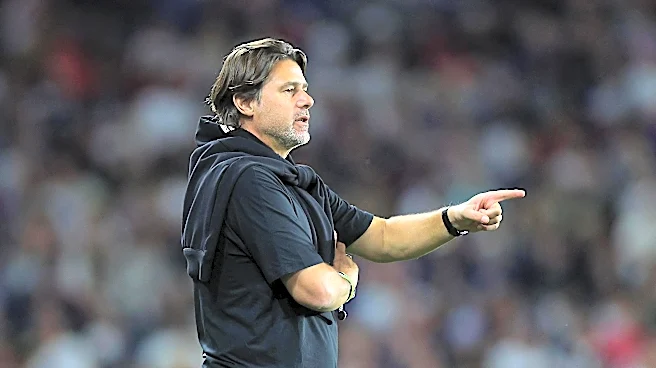
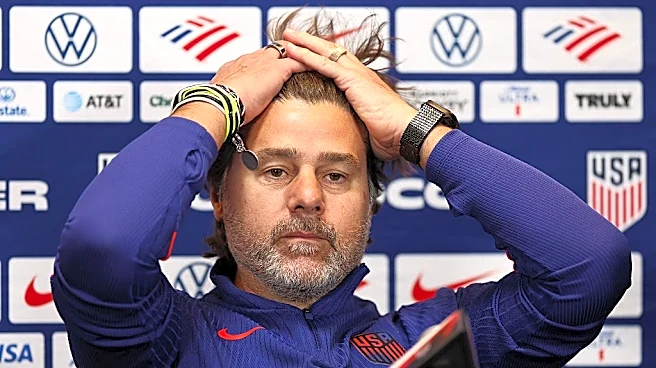
Mauricio Pochettino, the current head coach of the U.S. Men's National Team (USMNT), is reportedly a top candidate to become the next manager for Manchester United. This development comes as Manchester United is expected
to part ways with Michael Carrick. Pochettino signed a contract extension with U.S. Soccer in August, extending through the 2030 World Cup, following the USMNT's progression to the round of 16 in the 2026 World Cup. However, Manchester United could trigger a buyout clause in his contract, reportedly valued at nearly $10 million, to secure his release. Additionally, bringing Pochettino's long-standing assistant coaches would incur further costs. Despite these rumors, Pochettino is expected to coach the USMNT in their upcoming Concacaf Nations League quarterfinal matches against Haiti. U.S. Soccer is reportedly considering Pep Guardiola as a primary target to replace Pochettino if he departs, with other potential candidates including B.J. Callaghan, Michael Bradley, Steve Cherundolo, Wilfried Nancy, and Roberto Martinez.
Why It's Important?
The potential departure of Mauricio Pochettino from the USMNT coaching role carries significant implications for U.S. Soccer and the national team's trajectory leading up to the 2030 World Cup. Pochettino's recent contract extension signaled a commitment to long-term stability and development for the program. His potential move to a high-profile club like Manchester United would disrupt these plans, forcing U.S. Soccer to quickly identify and secure a new leader. The selection of a new coach will be crucial for maintaining momentum, integrating young talent, and preparing the team for future international competitions. The reported interest in Pep Guardiola highlights U.S. Soccer's ambition to attract a world-class manager, which could elevate the team's profile and tactical approach. Conversely, if an American coach like B.J. Callaghan or Michael Bradley is chosen, it could signal a strategic shift towards developing domestic coaching talent and leveraging familiarity with the U.S. soccer landscape. The financial implications of a buyout clause and the cost of a new coaching staff also represent a significant investment for the federation.
What's Next?
Mauricio Pochettino is expected to fulfill his coaching duties for the USMNT in the upcoming Concacaf Nations League quarterfinals against Haiti, with matches scheduled in Miami and Cincinnati. Manchester United has not yet officially dismissed Michael Carrick nor made formal contact with U.S. Soccer regarding Pochettino's contract. The English club has until November 22, when they return to action against Liverpool, to finalize their managerial decision. Should Pochettino depart, U.S. Soccer will initiate a formal search for his replacement. Pep Guardiola is reportedly a top target, and discussions with him could commence. Simultaneously, other candidates such as B.J. Callaghan, Michael Bradley, Steve Cherundolo, Wilfried Nancy, and Roberto Martinez will likely be evaluated. The outcome of these negotiations and the subsequent coaching appointment will shape the USMNT's strategic direction and player development for the 2030 World Cup cycle.
Beyond the Headlines
The ongoing speculation surrounding Mauricio Pochettino's future underscores the increasing global interconnectedness of elite soccer and the challenges national federations face in retaining top coaching talent. The allure of managing a prestigious club like Manchester United, with its significant resources and global platform, often outweighs long-term commitments to national teams, even with substantial contract extensions. This situation also highlights the growing ambition of U.S. Soccer, evidenced by their reported pursuit of a high-caliber coach like Pep Guardiola, indicating a desire to compete at the highest international levels. The potential coaching change could also influence player morale and team dynamics, as players adapt to a new tactical philosophy and leadership style. Furthermore, the financial implications of buyouts and new contracts reflect the escalating economic stakes in professional soccer, where coaching talent is a highly valued commodity. This scenario could set a precedent for how U.S. Soccer approaches future coaching contracts and retention strategies.