



What's Happening?
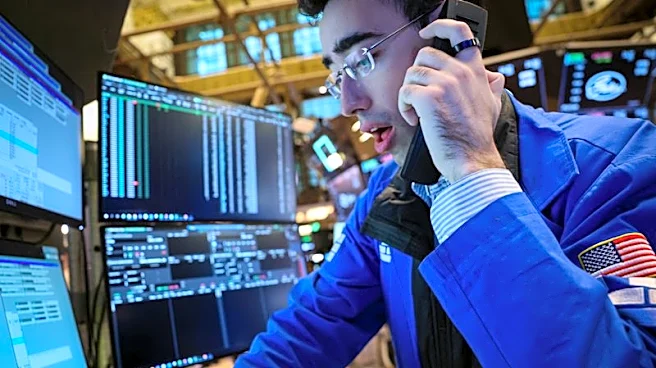
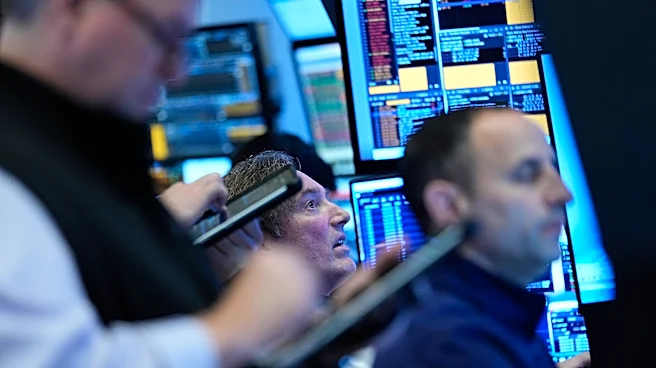
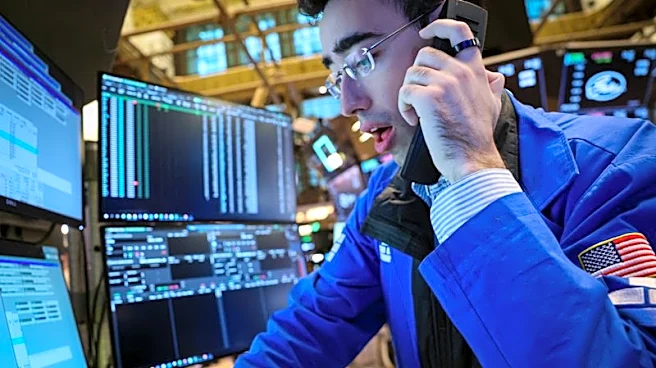
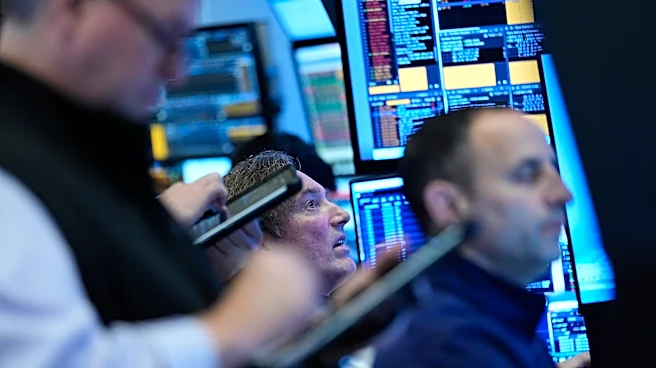
The world's five richest individuals collectively lost $146 billion in a single day on Wall Street, according to Forbes' real-time billionaires list. This substantial decline was primarily driven by investor concerns regarding the profitability of artificial
intelligence (AI) investments. Elon Musk alone saw his fortune decrease by $73.8 billion. The market sell-off, which included a 5.3% drop in the Nasdaq and a 3.7% fall in the S&P 500 to a seven-month low, particularly impacted chip stocks like Nvidia, Broadcom, AMD, and Micron. The underlying fear among investors is that extensive, debt-funded AI spending may not yield the anticipated returns, leading to a reevaluation of companies heavily invested in the sector. This event highlights the volatility of wealth concentrated in specific market trends.
Why It's Important?
This significant one-day wealth reduction among the world's wealthiest individuals underscores the fragility of fortunes tied to specific, high-growth sectors like AI. The market's reaction reflects a growing skepticism about the immediate and long-term profitability of massive AI investments, many of which are debt-funded. This shift in investor sentiment can have broader implications for the U.S. economy, potentially leading to reduced investment in AI technologies if profitability concerns persist. Companies heavily reliant on AI development or those whose valuations are inflated by AI speculation could face downward pressure. Conversely, this event also highlights the resilience of diversified portfolios, as exemplified by Warren Buffett, whose net worth saw a slight increase during the same period, demonstrating the shock-absorbing benefits of diversification.
What's Next?
The market's apprehension about AI spending's profitability could lead to a more cautious investment environment for technology companies. This might prompt a reevaluation of business strategies within the AI sector, potentially shifting focus from rapid expansion to demonstrating tangible returns on investment. Regulatory bodies and financial institutions may also increase scrutiny on debt-funded ventures, particularly in emerging technologies, to mitigate systemic risks. The International Monetary Fund's Managing Director, Kristalina Georgieva, has already warned about the global economy's reliance on the 'AI leg,' suggesting that market wobbles in this sector could trigger broader financial instability. This could lead to increased calls for economic diversification and more robust risk management strategies across various industries.
Beyond the Headlines
The dramatic loss of wealth among top billionaires in a single day reveals a deeper narrative about the nature of modern wealth accumulation and its inherent risks. Fortunes built on a single stock or a dominant market theme, such as AI, are highly susceptible to rapid repricing based on shifts in market sentiment. This contrasts sharply with more diversified investment approaches, which tend to offer greater stability during market downturns. The event also raises questions about the sustainability of rapid technological growth fueled by speculative investment. It could trigger a broader societal discussion about wealth concentration, market bubbles, and the ethical implications of economic systems that allow for such rapid gains and losses, particularly when these are tied to technologies with profound societal impacts.